How to Choose the Right Apparel Size Labels for Your Business?
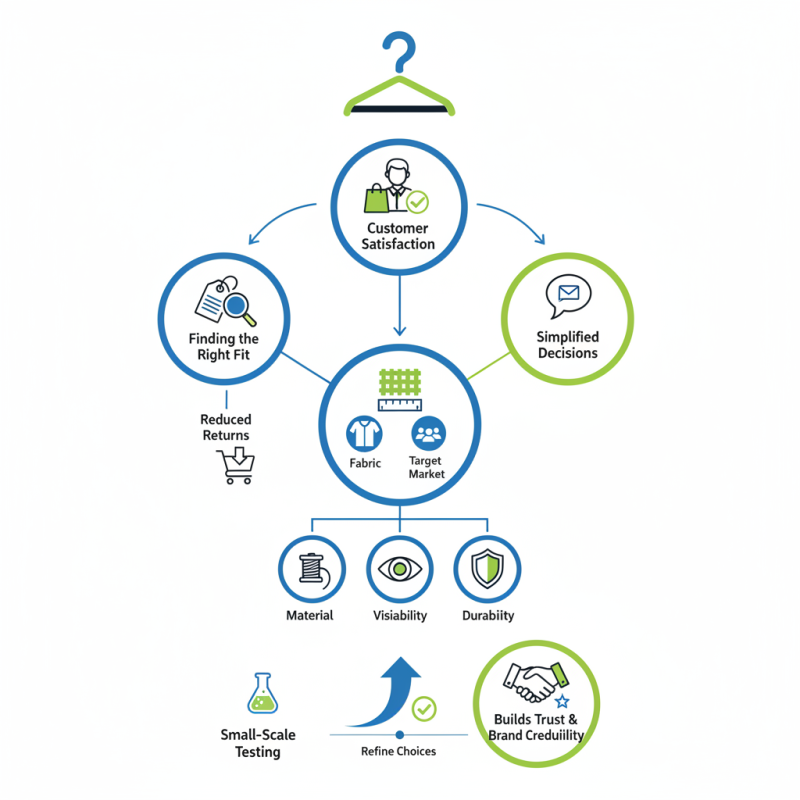
Choosing the right apparel size labels is crucial for any clothing business. The size labels directly impact customer satisfaction and sales. Well-chosen labels enhance the shopping experience by helping customers find their right fit. It simplifies decisions and reduces returns.
However, selecting these labels can be daunting. You must consider various factors, like fabric type and target market. Not all labels are suitable for every item. For example, a label that works for casual wear may not suit formal attire. Reflecting on customer feedback can provide insights but is often overlooked.
Take the time to research different types of apparel size labels. Consider the material, visibility, and durability. Also, test labels on a small scale before committing to bulk orders. This trial can help refine choices and uncover unexpected challenges. Ultimately, the right labels build trust and enhance your brand's credibility.
Understanding the Importance of Apparel Size Labels in Retail
Choosing the right apparel size labels is crucial in the retail industry. Size labels impact customer satisfaction directly. An accurate label ensures customers find what fits well. If a label proves unreliable, it can lead to a surge of returns. This aspect creates frustration for both customers and retailers.
Understanding how customers perceive size labels is essential. Many shoppers rely on these labels for their decisions. Misleading sizes can confuse customers, leading to lost sales. Retailers should consider various sizing standards. Offering clear and consistent size labels builds trust over time. However, it’s important to recognize that not all customers fit neatly into standard sizes.
Feedback from customers reveals gaps in sizing accuracy. Many express disappointment when pants fit differently than expected. Regularly reviewing and updating size labels may address these concerns. Regular audits of label accuracy can improve overall experience. Retailers should take this feedback seriously. Consistency in sizing helps in retaining loyal customers. Missteps with size labels can often stem from a lack of awareness.
Industry Standards for Size Labeling: Sizing Charts and Measurements
When selecting apparel size labels, understanding industry standards is crucial. Accurate sizing ensures customer satisfaction and reduces returns. According to the National Institute of Standards and Technology (NIST), inconsistent sizing can lead to a 60% increase in return rates. This statistic highlights the importance of adhering to sizing charts.
Sizing charts should be based on measured data. The ASTM International provides guidelines for size standards. For example, women’s clothing often uses sizes based on bust, waist, and hip measurements. These measurements must align with the target demographic. If a chart isn't tailored to specific audiences, it may cause confusion. A survey revealed that 45% of consumers reported confusing sizing as a reason for their dissatisfaction.
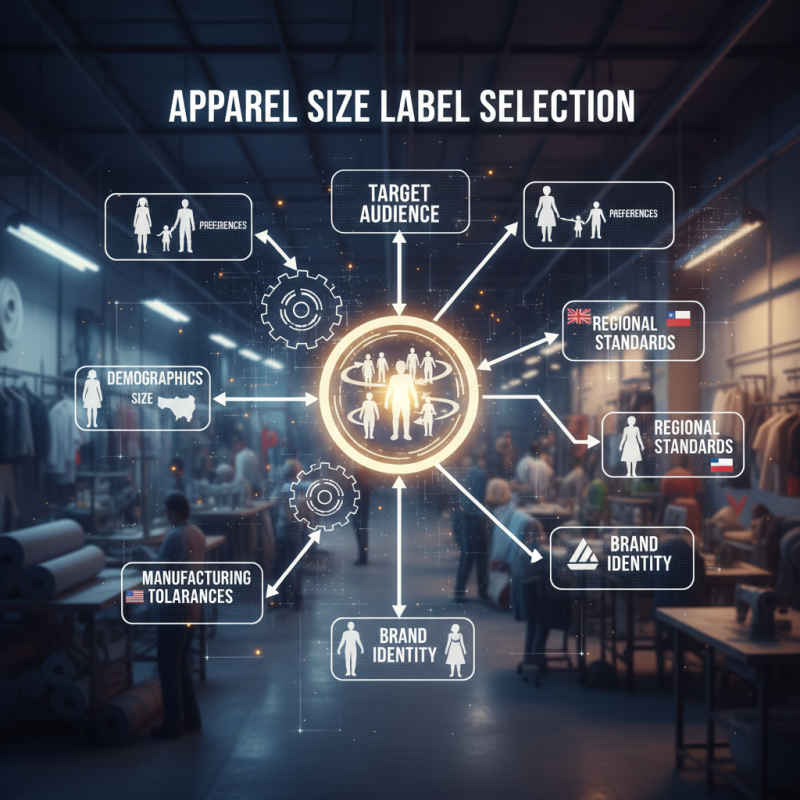
It’s important to note that size perception can vary globally. For instance, US sizes differ significantly from European sizes. This variation requires businesses to consider their market. Creating a size label that meets multiple standards can be complex but necessary. Reflecting on these standards and practices can help businesses refine their size labeling strategies.
Understanding Apparel Size Standards
The Impact of Accurate Size Labels on Customer Satisfaction and Return Rates
Accurate size labels play a crucial role in customer satisfaction. When customers receive clothing that fits well, they are more likely to return. Inaccurate labels can lead to frustration and increased return rates. This can erode trust and degrade your brand's reputation over time. Mislabeling happens often. It's essential to prioritize accuracy in sizing to enhance the shopping experience.
To address this issue, consider implementing a thorough labeling process. Involve your design team in creating clear and precise labels. Test sizes thoroughly before production. Engage potential customers in feedback sessions. This helps you understand their expectations.
Here are some tips to improve your sizing strategy:
- Provide a detailed size chart. A visual guide can clarify measurements for customers.
- Use consistent terminology across your labels. Consistency builds customer trust.
- Consider including fit descriptions (tight, loose, regular) on labels. Descriptive cues aid decision-making.
By focusing on these elements, you can reduce returns and keep customers satisfied.
How to Choose the Right Apparel Size Labels for Your Business? - The Impact of Accurate Size Labels on Customer Satisfaction and Return Rates
| Apparel Type |
Size Range |
Common Label Size |
Customer Satisfaction (%) |
Return Rate (%) |
| T-Shirts |
S, M, L, XL |
2x3 inches |
85 |
10 |
| Jeans |
28, 30, 32, 34 |
2x4 inches |
80 |
15 |
| Dresses |
XS, S, M, L, XL |
2.5x3.5 inches |
90 |
8 |
| Activewear |
S, M, L, XL |
2.5x3 inches |
87 |
12 |
| Outerwear |
S, M, L, XL, XXL |
3x4 inches |
82 |
18 |
Innovative Technologies in Apparel Size Labeling for Enhanced Accuracy
Innovative technologies in apparel size labeling are transforming the industry. With the rise of data-driven solutions, brands can enhance accuracy in sizing. Research indicates that 70% of consumers report dissatisfaction due to fit issues. This underscores the urgent need for improvement.
Smart labeling technologies, like RFID and QR codes, enable real-time data collection. These labels provide precise measurements tailored to individual customers’ preferences. A study by the National Retail Federation revealed that accurate sizing could reduce return rates by up to 25%. Such tools not only improve customer experience but also boost operational efficiency.
However, challenges remain. The implementation of these technologies can be costly. Many businesses struggle to keep up with rapid advancements. Additionally, some consumers might find high-tech features intimidating or unnecessary. Addressing these concerns is essential for a seamless transition. By focusing on user-friendly designs, companies can encourage adoption and maximize benefits.