Best Practices for Apparel Size Labels That Boost Sales?
In the competitive world of fashion retail, Apparel Size Labels play a crucial role in driving sales. According to a report by the National Retail Federation, 70% of customers are more likely to purchase if they find accurate size information. This highlights the vital need for effective size labeling strategies in promoting customer satisfaction and enhancing brand trust.
Expert Steven Cohen, a leader in retail consulting, states, “Proper sizing can make or break sales, as consumers often abandon carts over sizing confusion.” This sentiment reflects the urgent need for brands to refine their Apparel Size Labels. Many companies still struggle with inconsistent sizing, leading to increased return rates. While some label systems may seem straightforward, they often lack clarity and can mislead consumers.
As the market demands adaptability, retailers must remain aware of evolving sizing standards. Data from the Global Fashion Association indicates that inconsistency in size labeling costs retailers billions annually. Investing in well-designed Apparel Size Labels not only benefits consumers but also bolsters a brand’s bottom line. This is a vital area for reflection and improvement in today’s retail landscape.
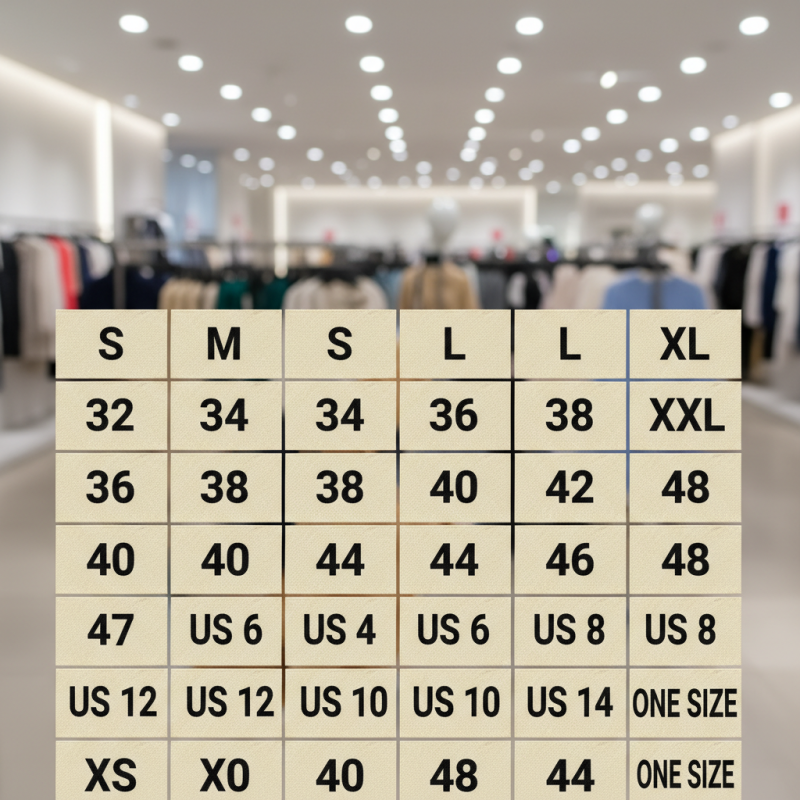
Understanding the Importance of Apparel Size Labels in Retail Sales
The role of apparel size labels in retail sales is often underestimated. These labels serve as critical navigational tools for consumers. A well-designed size label not only conveys essential fit information but also builds trust. When shoppers can easily understand sizing, they are more likely to make a purchase. Confusion over sizes can lead to abandoned carts.
For retailers, clear size labels can improve the shopping experience. Providing a size chart in stores or online helps customers select the right fit. This reduces the likelihood of returns, which can hurt profitability. Misleading size labels, on the other hand, can lead to negative reviews. Customers may feel misled and become hesitant to buy from your store again.
Additionally, incorporating international sizing systems can expand your reach to a global audience. However, this complexity can also confuse some customers. Striking a balance is crucial. Retailers must ensure that size labels are straightforward and reliable. Overly complicated designs may deter potential buyers. It's essential to evaluate your approach continuously and listen to customer feedback.
Key Elements to Include in Apparel Size Labels for Consumer Clarity
When it comes to apparel size labels, clarity is crucial. Research indicates that nearly 70% of consumers have returned clothing due to incorrect sizes. This highlights the importance of providing accurate, clear size information. Labels should include a standardized sizing chart, showcasing measurements for bust, waist, and hips. This allows customers to make informed purchases based on their own measurements.
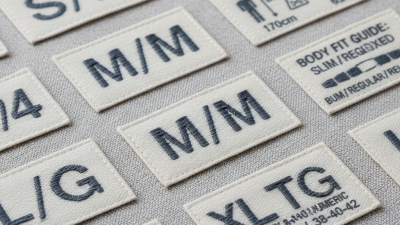
Moreover, considering diverse body types is vital. Including fit descriptions like "slim," "regular," or "relaxed" can guide shoppers better. According to a recent industry report, 56% of consumers stated they trust brands that provide detailed sizing information. This trust can lead to higher sales and fewer returns.
Lastly, materials and care instructions should also be clearly stated on size labels. Research shows that 50% of returns are due to buyers not understanding fabric properties or care requirements. Transparency fosters customer confidence. Properly designed size labels can prevent frustration and uncertainty. Brands that prioritize these elements not only enhance user experience but also build long-term loyalty.
Best Practices for Apparel Size Labels That Boost Sales
| Element |
Description |
Impact on Sales |
| Clear Size Indication |
Utilizing standard sizing terms (S, M, L, XL) along with numerical sizes (0-16). |
Improves customer confidence and reduces returns. |
| Fit Type Specification |
Labeling items as 'Fitted', 'Relaxed', or 'Loose' fit. |
Helps customers make informed choices matching their preferences. |
| Measurement Guidelines |
Including measurements for bust, waist, and hips in cm/inches. |
Reduces the likelihood of incorrect size purchases. |
| Material Composition |
Detailing the fabric materials (e.g., cotton, polyester). |
Influences consumer decision-making based on comfort and care. |
| Care Instructions |
Providing detailed washing and care instructions on the label. |
Enhances customer satisfaction and retention by informing product maintenance. |
| Country of Origin |
Mentioning where the apparel is manufactured. |
Can affect brand perception and ethical purchasing decisions. |
The Impact of Standardized Sizing on Customer Satisfaction and Sales
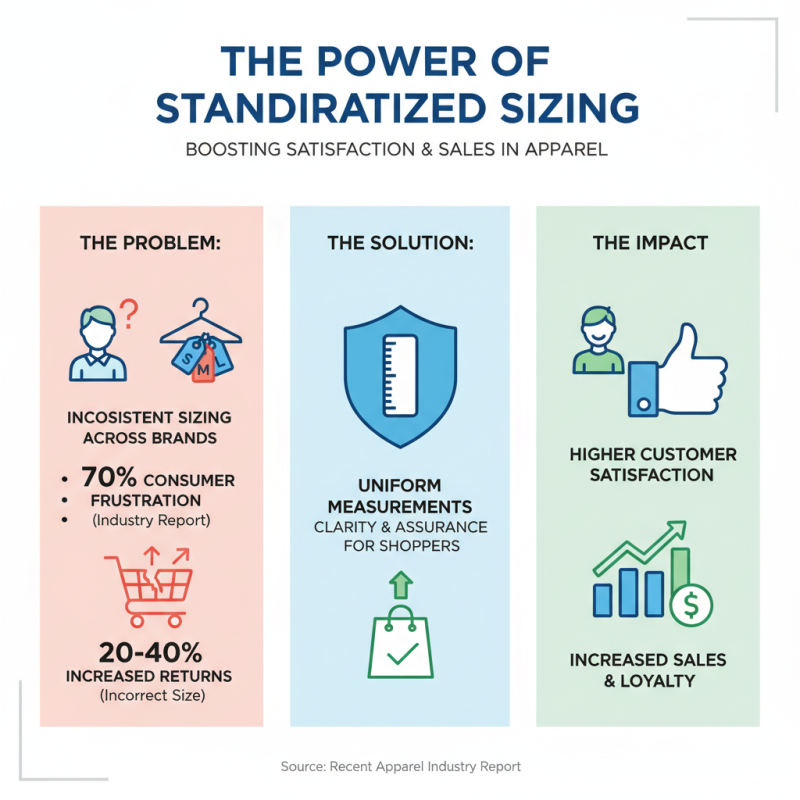
Standardized sizing plays a critical role in enhancing customer satisfaction and driving sales in the apparel industry. According to a recent industry report, over 70% of consumers express frustration with inconsistent sizing across brands. This confusion leads to increased returns, with return rates for incorrectly sized clothing estimated to be between 20-40%. Standardized sizing can mitigate this issue, as it provides clarity and assurance to shoppers.
A survey by the Fashion Institute of Design & Merchandising revealed that 68% of consumers are more likely to purchase from brands that offer consistent sizing. When customers feel confident in their size, they are less likely to abandon their carts. Moreover, a lack of standardized sizes can damage brand loyalty. If consumers frequently face sizing issues, they may choose to shop elsewhere.
Implementing standardized size labels requires collaboration and adjustments, which many companies find challenging. Nevertheless, the long-term benefits often outweigh the initial hurdles. According to a McKinsey report, businesses that adopt such practices can see sales increases of up to 30%. As consumers demand transparency, brands that embrace standardized sizing are better positioned to meet their needs, ultimately boosting their bottom line.
Strategies for Designing Size Labels that Enhance Brand Identity
When it comes to apparel size labels, thoughtful design can significantly enhance brand identity and influence sales. Research shows that 68% of consumers consider size labels vital for their purchasing decisions. A well-designed label can convey trust and confidence, while a poorly executed one may lead to confusion or return rates.
One critical aspect is clarity in size representation. Use standard sizing metrics, such as small, medium, and large. It helps in maintaining consistency across collections. Consider incorporating visually appealing elements like colors and graphics that reflect your brand essence. Remember that oversized labels can detract from the overall appeal. A balance between practical information and aesthetics is essential.
**Tip:** Use readable fonts and text sizes to improve visibility. Simplicity often trumps complexity.
Additionally, integrating eco-friendly materials into your labels can resonate with environmentally conscious consumers. Reports indicate that 72% of shoppers prefer brands that are environmentally friendly. Therefore, blending sustainability into your label design isn't just trendy—it builds loyalty.
**Tip:** Experiment with textures to give labels a tactile dimension, making them memorable.
Lastly, testing different designs and collecting customer feedback can lead to revelations. Don't hesitate to iterate based on consumer preferences. What works for one target audience may not work for another, so remain adaptable in your approach.
Promoting Transparency: Educating Consumers on Apparel Sizing Systems
In today’s market, clarity in apparel sizing is essential. Many consumers feel confused by inconsistent sizing across brands. This confusion leads to returns and dissatisfaction. Educating consumers on sizing systems can significantly enhance their shopping experience. Providing straightforward charts helps demystify size conversions. For example, a clear relation between bust, waist, and hip measurements can build trust.
Labels should clearly state how to measure for the best fit. This transparency fosters a sense of reliability. Many shoppers are frustrated by sizes that vary widely. By addressing these discrepancies, brands can reduce customer frustration. Engaging visuals also can help. Simple diagrams make it easier to understand measurements.
Creating informative content on sizing can help bridge the knowledge gap. Such content empowers consumers to make confident choices. Yet, some brands underestimate this importance. They remain vague about sizing, leading to lost sales. Improving communication around size labels is necessary. Consumers deserve to understand what they are buying.
Apparel Size Labels Impact on Consumer Confidence
This chart illustrates the correlation between clear size labeling practices and consumer purchase confidence in apparel.