China Top Apparel Size Labels Insights and Trends?
In recent years, the global apparel industry has witnessed a significant evolution in "Apparel Size Labels." Understanding consumer preferences and sizing trends is crucial for brands aiming to stay competitive. According to a report by the Global Fashion Business Association, nearly 50% of consumers are frustrated by inconsistent size labels across different brands.
Expert insights highlight the urgency for standardization in sizing. Dr. Emily Chen, a renowned expert in fashion merchandising, stated, “Accurate apparel size labels can drive customer loyalty and reduce return rates.” This sentiment resonates across various demographics, emphasizing the need for a more reliable labeling system that caters to diverse body types.
As brands adapt to evolving consumer expectations, the trend toward inclusivity and standardization must be paramount. Current data suggests that 70% of consumers would prefer brands that offer transparent sizing information. However, significant gaps still exist in the market, leading to confusion and dissatisfaction. This presents an opportunity for brands to rethink their approach and create meaningful changes in the way they present apparel size labels.

Overview of Apparel Size Labeling in China
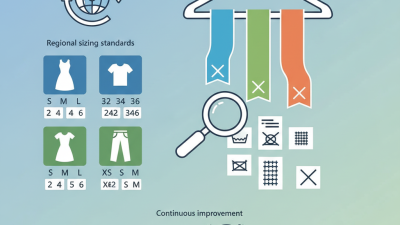
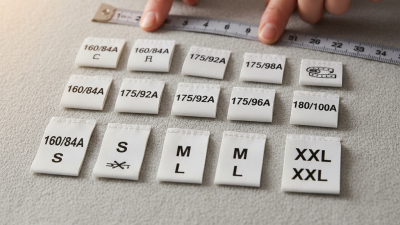
The apparel size labeling system in China is complex. It has evolved significantly in recent years. Historically, sizes were often inconsistent across brands. This led to confusion among consumers. Shoppers frequently found themselves guessing their size or consulting size charts.
Recent trends show a move towards standardization. Many manufacturers are adopting a unified sizing system. However, this shift is not universal. Some brands still use outdated or non-standard sizing. This inconsistency can frustrate customers. Many find it difficult to understand what size to choose.
Additionally, the influence of global fashion trends complicates the situation. Western sizing methods often conflict with local preferences. Some consumers end up buying items that do not fit well. They may experience disappointment when the clothing arrives. As the market continues to change, there is a growing need for clarity in size labeling. Better communication and education around sizing could benefit both brands and consumers.
Historical Evolution of Size Labels in Chinese Fashion
The evolution of size labels in Chinese fashion reflects deeper cultural shifts and changing consumer expectations. Historically, size labels were inconsistent, often disregarding standard measurements. This inconsistency led to confusion among shoppers, who experienced difficulties finding the right fit. Many consumers reported frustration when sizes varied greatly between brands or even within the same brand.
As the market matured, brands began to adopt more standardized sizing guidelines. This change aimed to improve customer satisfaction and trust. However, even today, there are concerns about the accuracy of these size labels. Mislabeling can still occur, leading to disappointment. The challenge remains for brands to ensure that size labels match actual garment measurements.
Cultural influences also play a vital role in size labeling. The traditional perception of body image impacts how clothing sizes are marketed and accepted. There is a noticeable demand for body diversity in fashion labels. Addressing these expectations requires careful consideration of size inclusivity and representation in garment production. This evolution continues to spark discussions about body shape representation in Chinese fashion.
Historical Evolution of Size Labels in Chinese Fashion
Current Trends in Apparel Size Standardization
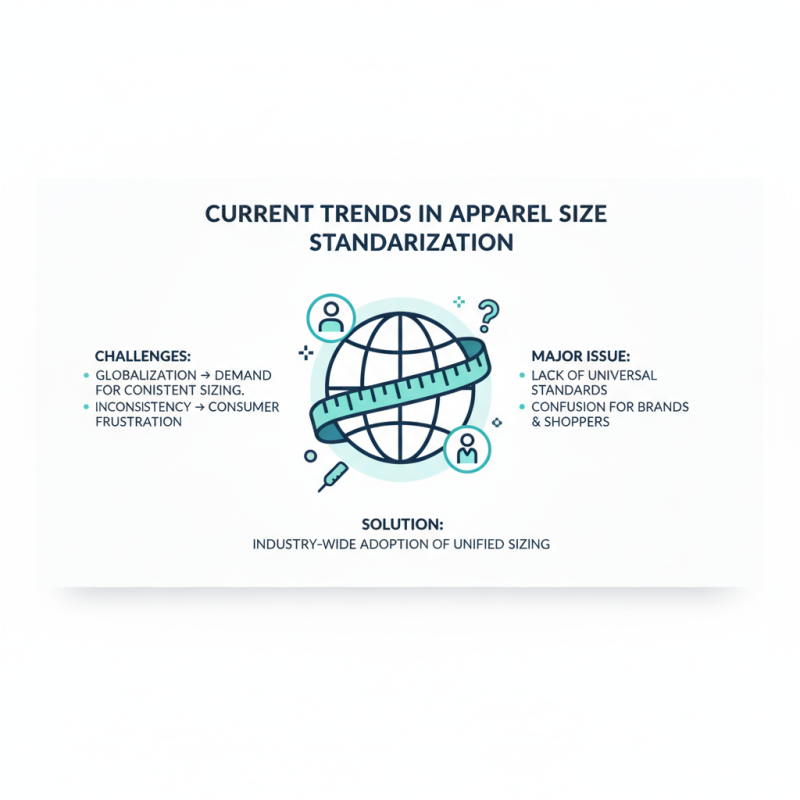
The apparel industry faces significant challenges in size standardization. As globalization grows, so does the demand for consistent sizing across markets. This inconsistency affects consumers, leading to frustration when shopping. A major issue is the lack of universal standards, causing confusion among brands and shoppers alike.
Current trends indicate a shift towards more flexible sizing systems. Some companies are adopting a numerical scale based on measurements rather than traditional labels. This approach aims to improve fit and enhance customer satisfaction. However, it raises questions about its practicality and acceptance in the long term.
Additionally, size inclusivity is a growing concern. Many brands now offer extended sizing options. Despite this progress, gaps remain. Some consumers feel overlooked, especially in niche markets. This area requires deeper reflection to ensure everyone finds their fit in the clothing landscape.
Consumer Preferences and Size Perception in China
In China, consumer preferences concerning apparel sizes are evolving rapidly. Many shoppers express frustration with inconsistencies in size labeling. For instance, a size labeled "M" might fit differently across various brands. This inconsistency creates confusion among consumers. Many prefer local sizes over Western ones, seeking comfort and better fitting.
Moreover, the social perception of size plays a crucial role. In urban areas, there is a growing trend toward embracing body positivity. This shift encourages shoppers to prioritize fit over labels. As a result, people are often more inclined to try on multiple sizes. They wish to find what truly flatters their body shape.
However, the disconnect between sizing standards and consumer expectations persists. Many brands fall short in understanding their target audience's dimensions. This oversight can lead to high return rates and dissatisfied customers. The challenge lies in refining size labels to meet diverse body types. A consumer-centric approach that emphasizes accurate and relatable sizing could greatly enhance the shopping experience.
China Top Apparel Size Labels Insights and Trends - Consumer Preferences and Size Perception in China
| Size Category |
Consumer Preference (%) |
Perceived Accuracy (%) |
Common Fit Style |
| XS |
10% |
85% |
Slim Fit |
| S |
25% |
80% |
Regular Fit |
| M |
40% |
75% |
Athletic Fit |
| L |
15% |
70% |
Loose Fit |
| XL |
10% |
65% |
Relaxed Fit |
Challenges and Innovations in Size Labeling Practices
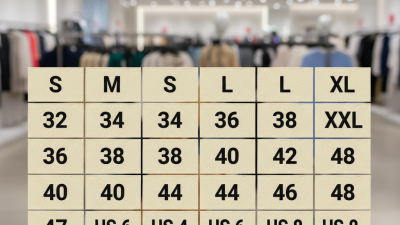
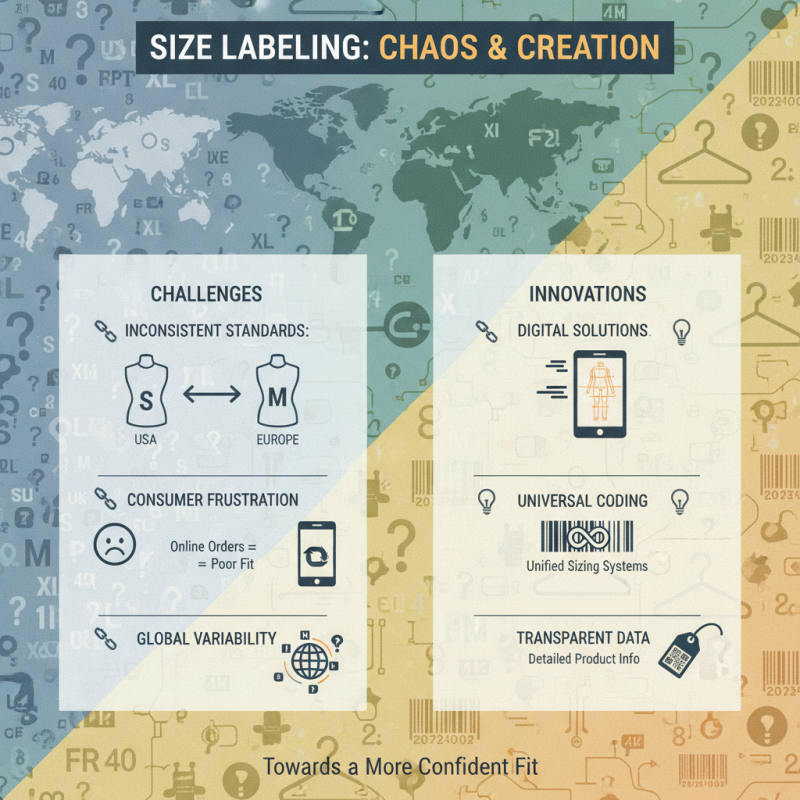
Size labeling in the apparel industry faces significant challenges. Different countries and brands often use varying sizing standards, leading to confusion. A small in one region may be a medium elsewhere. This inconsistency frustrates consumers. They may order online, expecting a fit, only to receive a garment that doesn’t match their expectations.
Innovations are emerging to tackle these issues. Technology plays a vital role here. Some companies are using 3D body scanning to create accurate size recommendations. This personalized approach has the potential to reduce returns, benefiting both buyers and retailers. However, not all brands adopt these advancements. Traditional systems still dominate, and the transition remains slow.
Moreover, there are deeper concerns about inclusivity in size labeling. Many brands neglect plus-size or smaller body types. Consumers express dissatisfaction with the lack of representation. This calls for a more inclusive approach in size standards. The path ahead requires reflection and collaboration. Fashion should cater to all body shapes, ensuring everyone feels represented.