Top 10 Package Stickers for Global Buyers in 2026?
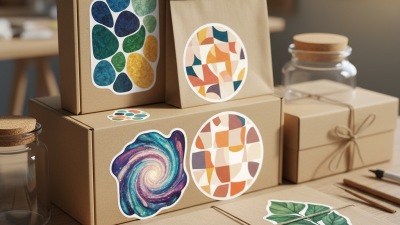
In the rapidly evolving world of retail, "Package Stickers" play a crucial role in branding and consumer engagement. According to industry expert Sarah Jenkins, “The right sticker can tell a brand’s story and enhance product appeal.” As we move into 2026, it is essential to explore emerging trends and innovative designs that cater to global buyers.
The significance of "Package Stickers" transcends mere decoration. They encapsulate a brand’s identity and values. Buyers are increasingly seeking packaging that resonates emotionally. While many brands focus on visuals, the message behind the stickers remains vital. It is not always easy to balance creativity and clarity in design. Sometimes, brands miss the mark by overcomplicating their sticker designs, losing the essence of simplicity.
Consumers are also drawn to sustainable options. Eco-friendly materials are gaining traction in the "Package Stickers" industry. However, not all companies have successfully adopted these practices. The challenge lies in creating attractive, functional stickers while meeting environmental standards. Reflecting on these trends will guide brands in making better decisions for the future.

Top Trends in Package Stickers for Global Buyers in 2026
In 2026, the market for package stickers is poised for significant transformation. A recent report from Grand View Research indicates a projected annual growth rate of 4.5% in the packaging label sector. This growth reflects an increasing demand for eco-friendly materials and personalized designs, which resonate with global consumers seeking authenticity.
Many buyers are more concerned about sustainability. The rise of biodegradable and recyclable sticker materials aligns with this trend. Industry experts believe that more than 60% of consumers will prioritize sustainable packaging options by 2026. This shift brings both opportunities and challenges for manufacturers. They must balance quality with environmental responsibility.
Personalization is another key trend. Custom designs attract buyers, creating a unique connection to the product. However, creating a truly personalized sticker that stands out in a crowded market requires creativity and research. Brands need to invest in understanding consumer preferences, which may not always align with production capabilities. The journey to satisfy diverse global needs is complex and requires ongoing reflection.
Top 10 Package Stickers Trends for Global Buyers in 2026
Key Features to Look for in Package Stickers for International Shipping
When considering package stickers for international shipping, several key features stand out. Quality materials are crucial. Stickers must withstand various environmental conditions. This includes moisture, heat, and handling during transportation. Choosing materials that are durable ensures the stickers remain intact throughout the shipping process.
Moreover, visibility is essential. Clear and bold text can help recipients easily read important information. Contrasting colors can enhance visibility, making it easier to spot any critical details. A well-designed sticker can prevent errors. This reduces the chances of packages being sent to incorrect addresses. It also helps in customs clearance.
Beyond durability and visibility lies the importance of tracking information. Including barcodes or QR codes can simplify the shipping process. It allows buyers to track their packages in real-time. However, not all stickers effectively convey essential details. Some designs may lack sufficient space for information, causing confusion. Buyers need to ensure that enough details can fit without overcrowding the sticker. Thoughtful design plays a crucial role here.
Sustainability in Package Stickers: Eco-Friendly Options for 2026
Sustainability is reshaping the packaging industry, including stickers. In 2026, eco-friendly packaging stickers are essential for global buyers. These stickers should utilize biodegradable materials, such as plant-based inks and adhesives. Using these materials reduces plastic waste. Opting for recyclable or compostable options is also crucial.
Consider the production process. Manufacturers must minimize energy consumption and carbon emissions. This can be achieved by sourcing materials locally. When stickers are produced closer to consumers, transport emissions decline. This practice supports local economies and enhances sustainability.
Choosing eco-friendly stickers may bring challenges. Some options might not hold up as well or may be more expensive. However, the environmental impact is a key factor. Buyers should weigh these trade-offs. Focus on transparent labeling to communicate sustainability efforts effectively. Understanding the environmental footprint is essential for responsible consumerism.
Cultural Considerations in Designing Package Stickers for Global Appeal
In 2026, cultural considerations in package sticker design will play a critical role in attracting global buyers. According to recent industry reports, 59% of consumers are influenced by product packaging in their purchasing decisions. This statistic highlights the importance of understanding diverse cultural backgrounds when designing package stickers. Colors, symbols, and imagery can hold different meanings across regions. For example, while white signifies purity in some cultures, it may represent mourning in others.
Moreover, designers must grapple with language barriers. Research shows that 72% of consumers prefer information in their native language. Stickers should feature clear, concise text that resonates culturally. Utilizing local idioms or dialects can enhance relatability. However, balancing creativity with clarity poses challenges. Overcomplicating designs with too many cultural references may alienate potential buyers.
Furthermore, designers should reflect on sustainability. A 2023 study revealed that 65% of global consumers consider eco-friendly packaging essential. Package stickers must convey environmental responsibility without overwhelming aesthetic appeal. It is an ongoing challenge to merge visual appeal with ethical considerations. By focusing on cultural nuances and consumer expectations, companies can create impactful package stickers that resonate on a global scale.
Top 10 Package Stickers for Global Buyers in 2026
| Rank |
Sticker Design |
Cultural Relevance |
Market Acceptance |
Visual Appeal |
Sustainability |
| 1 |
Eco-Friendly Materials |
High |
Strong |
Moderate |
Yes |
| 2 |
Minimalist Graphics |
Moderate |
High |
High |
No |
| 3 |
Cultural Symbols |
Very High |
Moderate |
Moderate |
Yes |
| 4 |
Bold Colors |
Moderate |
High |
Very High |
No |
| 5 |
Interactive QR Codes |
High |
Strong |
High |
Yes |
| 6 |
Handwritten Fonts |
Moderate |
Moderate |
Moderate |
No |
| 7 |
Vintage Styles |
High |
Strong |
Very High |
Yes |
| 8 |
Tech-Inspired Designs |
Moderate |
High |
Moderate |
No |
| 9 |
Floral Patterns |
Very High |
Strong |
High |
Yes |
| 10 |
Personalized Messages |
High |
Strong |
Moderate |
Yes |
Innovations in Technology Impacting Package Sticker Production in 2026
In 2026, package sticker production sees significant advancements driven by technology. Automation and digital printing are reshaping how stickers are designed and manufactured. Machines can now produce stickers faster and with higher precision. This reduces production costs and time. Companies can respond to market demands quickly.
Data analytics will play a crucial role in understanding consumer preferences. Brands will be able to customize their stickers based on real-time insights. Additionally, eco-friendly materials will gain traction. Sustainability is becoming a priority for consumers worldwide. This change leads to the development of biodegradable and recyclable sticker options.
To enhance sticker quality, focus on the design process. Simple graphics can often communicate messages more effectively. Consider incorporating augmented reality features to engage consumers. It adds an interactive layer to package stickers, enhancing customer experience. Regularly review material choices. Some may not perform as expected in different environments. Test before committing to large runs.