What is the Best Choice for Blank Sticker Rolls?
Choosing the right blank sticker rolls is crucial for any business or project. According to industry expert Sarah Johnson, "The quality of your labels can significantly impact your brand's perception." Her words emphasize the importance of selecting high-quality options.
In the world of blank sticker rolls, various factors come into play. Adhesive strength, paper type, and printing compatibility are vital. Each choice leads to different outcomes. Brands must reflect on their specific needs before making a decision. It's not just about sticking; it's about creating a lasting impression.
While it’s tempting to opt for the cheapest option, this could mean sacrificing quality. A poorly made sticker might damage your reputation. Evaluating product samples and customer reviews can provide insight. Take the time to assess these aspects before purchase. Remember, reliable and effective blank sticker rolls can elevate your brand, if chosen wisely.
Choosing the Right Material for Blank Sticker Rolls
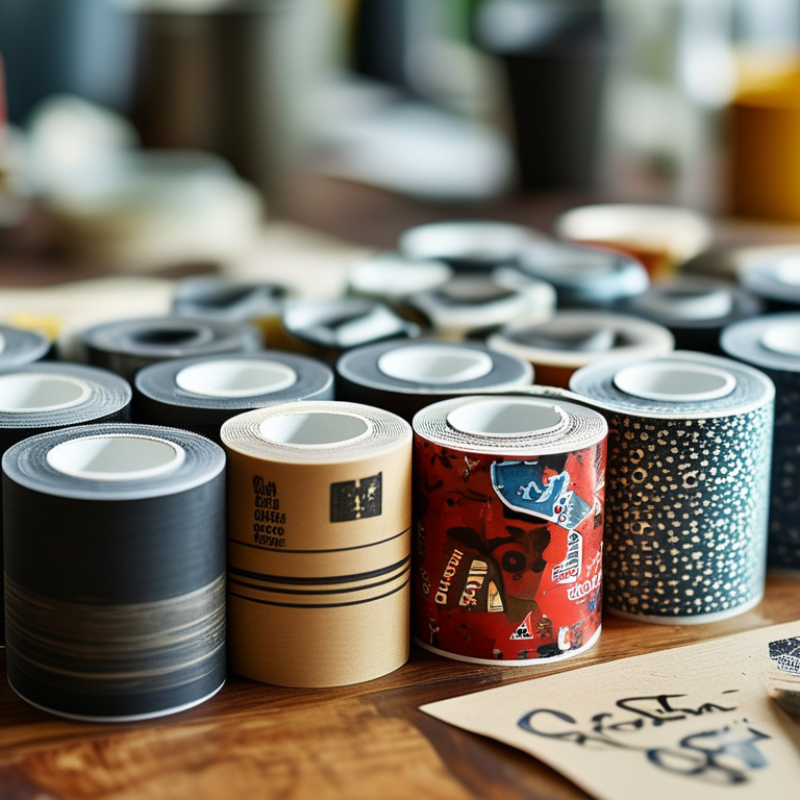
When selecting blank sticker rolls, material choice is crucial. Different materials can determine the sticker's durability, usability, and cost-effectiveness. Common options include paper, vinyl, and polyester. Each material has its advantages and limitations. Paper is often economical and suitable for indoor use. It can easily print vibrant colors. However, it may not hold up well in moist or outdoor environments.
Vinyl is a solid alternative. It's UV-resistant and waterproof, making it ideal for outdoor applications. Yet, vinyl can be more expensive. Consider your use case carefully. Will the stickers face harsh conditions? Choose a material that matches your needs.
Tip for material selection: Always request samples. This allows you to test how well the material prints and adheres. Another tip: be aware of the sticky side. Adhesives can vary in strength and suitability. An inappropriate adhesive can lead to peeling or damage. Adjust your choice based on specific tasks.
Evaluate your priorities. Cost, durability, and the expected environment are all significant factors. Reflect on the long-term use of your stickers. It might be wise to invest in higher-quality materials for lasting results. Take time to make the right choice. Quality materials lead to better performance and can save you resources in the long run.
What is the Best Choice for Blank Sticker Rolls? - Choosing the Right Material for Blank Sticker Rolls
| Material Type |
Adhesive Type |
Durability |
Best Use Case |
Price Range (per roll) |
| Vinyl |
Permanent |
High |
Outdoor Labels |
$25 - $40 |
| Paper |
Removable |
Medium |
Promotional Labels |
$15 - $30 |
| Polyester |
Permanent |
Very High |
Industrial Use |
$30 - $50 |
| BOPP |
Removable |
High |
Food and Beverage |
$20 - $35 |
| Synthetic |
Permanent |
Medium |
General Purpose |
$10 - $25 |
Understanding Different Types of Adhesives for Stickers
When choosing blank sticker rolls, understanding the types of adhesives is crucial. There are permanent, removable, and repositionable adhesives. Each type serves different purposes and has distinct advantages.
Permanent adhesives provide a strong bond. They are great for long-term applications. Once applied, these stickers tend to stick firmly, which can be challenging if you make a mistake.
Removable adhesives offer flexibility. You can reposition these stickers without losing adhesion. However, they may not hold up as well over time, leading you to consider their durability.
Repositionable adhesives allow for adjustments after application. This quality is beneficial for creating displays. Yet, they may not be ideal for surfaces that require high adhesion.
Understanding these differences is essential. It can save time and reduce waste. Making the right choice will enhance your project’s overall success.
Evaluating the Best Sizes and Dimensions for Your Sticker Needs
Choosing the right sizes and dimensions for your sticker rolls can greatly influence your project’s success. According to industry reports, stickers that are 2 inches by 3 inches are among the most popular dimensions for products and promotions. These sizes balance visibility and cost-effectiveness, appealing to a wide audience.
However, not all projects require standard sizes. When creating custom stickers, you may need unique measurements to fit specific surfaces or designs. Avoid the trap of assuming that one size fits all. Conduct tests with various dimensions to ensure a good fit for your intended use.
Tips: Consider the surface where the sticker will be applied. Some surfaces, like curved ones, may need different dimensions to adhere properly. Don’t overlook the importance of peel-off backing and thickness, which also affect usability. Always order a few samples before making larger purchases to verify they meet your quality standards.
Experimentation and flexibility can lead to unexpected successes.
Comparing Printable vs. Non-Printable Blank Sticker Rolls
When considering sticker rolls, both printable and non-printable options have unique advantages. According to the Labeling and Packaging Industry Survey, approximately 60% of businesses prefer printable rolls for customizable needs. Printable blank sticker rolls allow for design flexibility. They accommodate various ink types, which can enhance brand identity.
In contrast, non-printable rolls can be a practical choice for specific applications. These are often more cost-effective, especially in bulk purchases. They are typically used for labeling tasks that require standard information, such as barcodes or product specifications. These stickers usually offer a quicker turnaround time because they do not require printing.
Tips: If your business requires customization, evaluate the printing method before choosing. Laser or inkjet options may yield different results. Additionally, consider the surface material of the stickers. This can affect adhesion and printing quality. Don't overlook your storage conditions. Humidity can damage both types of sticker rolls, affecting their reliability.
Factors to Consider: Cost, Quantity, and Quality in Sticker Rolls
Choosing the right blank sticker rolls involves careful consideration of cost, quantity, and quality. The cost can vary significantly. Reports suggest that businesses should expect to pay between $50 to $300 per order, depending on the volume and type of material. Additionally, bulk purchases often yield better pricing. However, always analyze your specific needs. Will you use all the stickers? What if your project requirements change?
Quantity directly impacts pricing and potential waste. For small projects, purchasing in bulk may seem wasteful. Yet, vendors often offer discounts for larger quantities. It’s essential to strike a balance. You might need to adjust your expectations. Larger orders can lead to overstock. Always calculate the actual demand.
When it comes to quality, the choice of adhesive and material is crucial. Premium materials enhance durability but might increase costs. Industry standards indicate that high-quality stickers can last years, while low-quality ones may peel within weeks. Testing samples can provide insight. Evaluate the texture, stickiness, and print quality.
Tips: Consider ordering a small quantity for testing. This minimizes risk. Always request samples before making a large order. Track customer feedback on sticker performance to inform future orders. Reflect on previous purchases to avoid repeating mistakes.