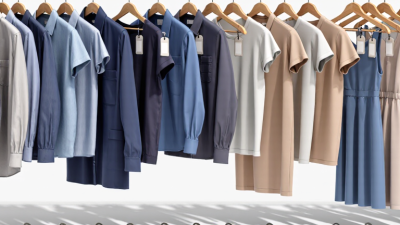
Global apparel buying depends on more than attractive designs and competitive prices. A small label can influence fit decisions, returns, warehouse sorting, and customer trust. This is why Clothing Size Labels deserve careful evaluation before products cross borders.
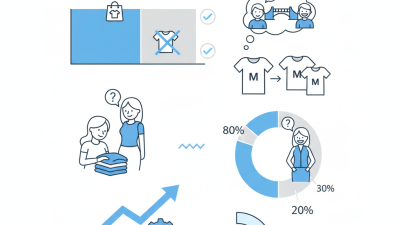
Rithum’s 2024 Global Returns & Profit Impact Report found that 61% of shoppers returned clothing because of poor fit. The figure reflects a practical problem: a buyer may measure 92 centimeters at the chest, yet receive different results from “M,” “L,” or “EU 48.” Labels need clarity. They also need context, such as body measurements, garment measurements, fit type, and regional conversion details.
The U.S. National Retail Federation and Appriss Retail reported an estimated $890 billion in retail returns during 2024. That figure covers all retail categories, not apparel alone, but it shows the financial pressure created by preventable returns. Better sizing communication cannot solve every fit issue. Fabric stretch, pattern cutting, and personal preference still matter. No label system is perfect.
This guide examines ten practical Clothing Size Labels for global apparel buyers. It considers international size codes, lettered labels, numeric systems, dual sizing, and measurement-based tags. The evaluation also references ISO 8559-1, which provides terminology for body measurement procedures. Experienced buyers should still test labels against real samples, regional customer data, and supplier specifications. A polished label may look professional. It may still confuse a customer holding two different “medium” shirts.
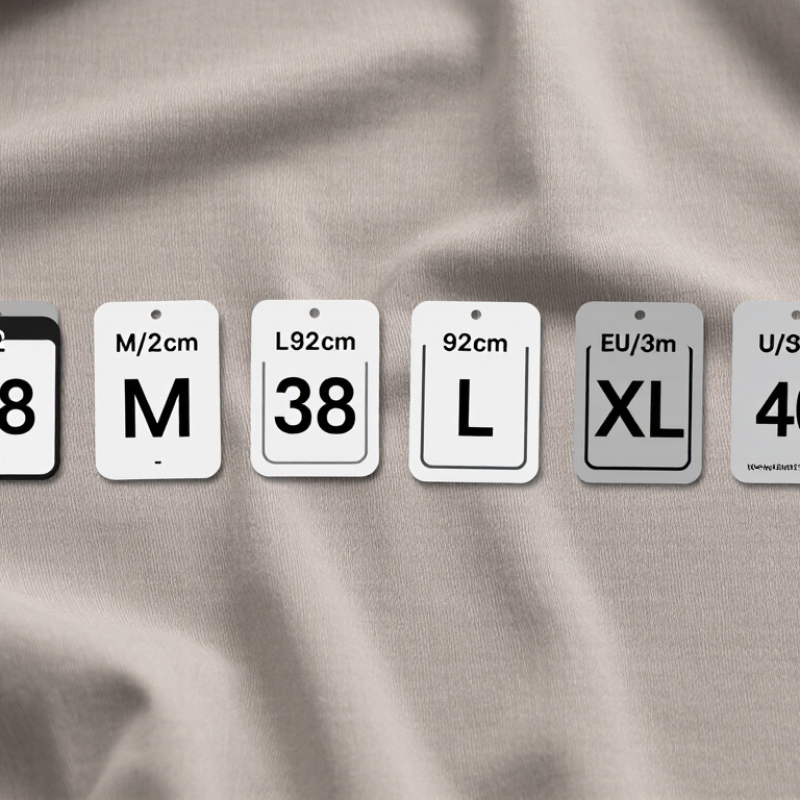
Global clothing sizes do not follow one worldwide rule. A medium can fit differently across regions, factories, and garment categories. For global apparel buyers, the most reliable labels combine familiar codes with body measurements.
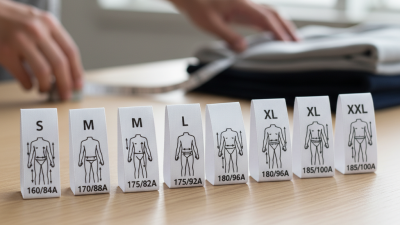
Ten practical label systems include numeric sizes, letter sizes, regional sizes, dual-region sizes, chest measurements, waist measurements, height ranges, age-based children’s sizes, alpha-numeric codes, and direct body-measurement labels. Numeric labels work well in some markets, but they often confuse international shoppers. Letter labels are simple, yet “large” may vary widely. Dual-region labels reduce conversion errors, especially when a product moves between markets.
Measurements create stronger evidence. A label showing 96 cm chest, 82 cm waist, and 178 cm height gives buyers something concrete. Include both centimeters and inches when possible. Keep the measuring method consistent. Measure the body, not the garment, unless the label clearly says otherwise. Buyers should also check fit terms, such as slim, regular, or relaxed. Fabric stretch matters too.
Real purchasing experience shows that size charts still need human review. I have seen identical measurements produce different fits because of pattern shape and fabric weight. No chart is perfect. A label may be technically correct but still feel misleading. Review sample garments, compare return data, and record regional fit feedback. That evidence helps buyers choose labels that are clear, practical, and easier to trust.
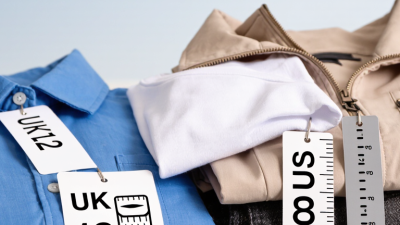
For global apparel buyers, effective size labels must reduce guesswork across markets. A strong label shows the core size, body measurements, and measurement unit. It should also identify whether measurements describe the body or the finished garment. This distinction prevents costly misunderstandings. Clear wording matters. So does consistent placement.
Reliable labels use centimeters and inches when space allows. They include chest, waist, hip, and inseam measurements for relevant garments. A small diagram can show where each measurement begins and ends. Translating size terms is useful, but translation alone is not enough. Local sizing systems often vary between countries and product categories. Experienced buyers should compare labels with real sample measurements before approving production. A medium can still fit differently.
Tips: Test labels with buyers from at least two target markets. Ask them to interpret the information without assistance. Record where confusion occurs. Check printed labels against the technical size chart and physical samples. Keep wash-care instructions separate from sizing details when the label becomes crowded. Do not rely on a single conversion table. It may simplify communication, but it cannot reflect every garment cut. I have found that relaxed, slim, and oversized styles need separate guidance. Some labels may still need revision after customer feedback. That is not failure; it is useful evidence for the next production cycle.
| No. | Size Label Format | Typical Display Example | Key Measurements to Include | Best Use for Global Buyers | Main Advantage | Important Limitation |
|---|---|---|---|---|---|---|
| 1 | Letter Size Label | XS / S / M / L / XL | Chest or bust, waist, hip, and height ranges | T-shirts, sweatshirts, knitwear, and relaxed-fit garments | Simple, familiar, and economical for woven or printed labels | Letter sizes vary considerably between countries, categories, and garment fits |
| 2 | Numeric Size Label | EU 36 / EU 38 / EU 40 | Body circumference measurements in centimeters, supported by a size chart | Tailored apparel, trousers, skirts, dresses, and structured garments | Provides more size levels than a basic XS–XL system | Numbering systems are not interchangeable across regions without a conversion guide |
| 3 | Dual-Region Label | EU 40 / UK 12 / US 8 | Regional size equivalents plus bust, waist, hip, or chest measurements | Products sold across two major destination markets | Reduces the need for separate labels in different sales regions | Additional regional references can make a small label crowded |
| 4 | Multi-Region Conversion Label | US 8 | UK 12 | EU 40 | AU 12 | Regional size codes, body measurements, and measurement units | International e-commerce, department-store distribution, and export collections | Supports shoppers in several markets from one physical label | Conversion tables are approximate because local sizing practices differ |
| 5 | Centimeter Body-Measurement Label | Chest 92–96 cm; Waist 76–80 cm | Precise body measurements in centimeters | Global wholesale, technical apparel, uniforms, and online sales | Centimeters provide a direct measurement reference for international shoppers | Customers must measure themselves correctly and understand body-measurement points |
| 6 | Inch Body-Measurement Label | Chest 36–38 in; Waist 30–32 in | Chest, bust, waist, hip, and inseam measurements in inches | Markets where inch-based measurements are commonly used | Easy to compare with familiar local sizing references | Inch values may require conversion for customers using the metric system |
| 7 | Height-Based Label | 160 / 165 / 170 cm | Height, chest or bust, waist, hip, and inseam | Uniforms, outerwear, trousers, sportswear, and regional apparel systems using height codes | Helps buyers assess garment length and proportion | Height alone cannot determine width, body shape, or preferred ease |
| 8 | Alpha-Size plus Measurement Label | M — Chest 96–100 cm | Letter size combined with the main body measurement range | Casual apparel and products with limited label space | Maintains quick visual recognition while adding practical accuracy | One measurement may not adequately describe fit for every garment type |
| 9 | Garment-Measurement Label | Half Chest 54 cm; Length 72 cm | Finished garment dimensions such as half chest, length, sleeve, rise, and inseam | Online apparel, oversized styles, flat-pattern production, and fit-sensitive products | Shows the actual product dimensions rather than relying only on a regional size code | Garment measurements must be compared with a similar garment, not directly substituted for body measurements |
| 10 | QR-Linked Smart Size Label | M | Scan for size chart and fit guide | Printed size code with a QR link to measurements, fit notes, and regional conversions | International direct-to-consumer sales and products with frequent size-chart updates | Provides extensive information without overcrowding the physical label | Requires a working link, a compatible device, and access to the internet |
Global apparel buyers need size labels that reduce guesswork across markets. The ten strongest formats are XS–XXL, numeric sizes, dual numeric ranges, alpha-numeric codes, body-measurement labels, age-based children’s sizes, regional letter sizes, petite, regular, and tall labels. Each format solves a different fitting problem.
XS–XXL is simple, but it can hide large measurement differences. Numeric labels offer more precision when a measurement chart supports them. Dual formats, such as S/36, help buyers compare letter and regional systems.
Alpha-numeric codes work well for uniforms and repeated orders, though new customers may find them cold and confusing. Body-measurement labels, such as “waist 82 cm,” are usually the most reliable for online purchasing. They need accurate garment data. Small errors matter.
Age-based sizes suit children, yet growth varies sharply between two six-year-olds. Regional letter labels improve local familiarity but may create conversion mistakes. Petite labels clarify shorter proportions, while tall labels support longer inseams and sleeves. Regular labels remain useful as a neutral reference. Plus-size labels can improve navigation, but they should include full bust, waist, hip, and rise measurements.
In practice, I would compare the label with a sample garment, a verified size chart, and buyer feedback. No label is perfect. Fabric stretch, cut, and washing can change the result, so a carefully measured chart still deserves more trust than a familiar-looking code.
Global apparel buyers need size labels that reflect bodies, markets, and garment construction. A single “M” rarely travels well. ISO 8559-1 supports body-measurement language, including bust, waist, hip, and height. These measurements create clearer product data across countries.
The ten useful formats are numeric, alpha, dual numeric-alpha, inch-based, centimeter-based, body-measurement, age-and-height, petite, tall, and extended-size labels. Use chest and neck measurements for shirts. Use waist and inside-leg measurements for trousers. Dresses need bust, waist, and hip details. Children’s garments often need height and age ranges together. Petite and tall labels should state actual length changes. For maternity garments, include the intended pregnancy stage or fit approach. Garments differ.
A 2023 NRF and Appriss Retail report estimated that 17.6% of online purchases were returned in the United States. Poor fit is not the only cause, but unclear sizing can increase hesitation and returns. Buyers should test labels with regional fit samples before scaling production. A centimeter chart may seem universal, yet customers still interpret ease differently. “Relaxed fit” needs measurements, not marketing language. Fit is personal. My practical concern is simple: conversion charts can look precise while hiding inconsistent grading. Record sample measurements, fabric stretch, and wash results beside every label. Review them with local fitting staff and real customer feedback. Labels need testing.
Representative bust or chest measurement ranges for commonly used women's top-size labels across major apparel markets. These ranges are practical reference points rather than universal legal standards; buyers should always verify the target market's measurement chart and fit model.
The most reliable global label strategy combines the local size code with body measurements in centimetres. This reduces confusion caused by different regional systems such as US, UK, EU, Japan, China, Korea and international alpha sizing.
10 Best Clothing Size Labels for Global Apparel Buyers?
Practical Guidelines for Applying Global Size Labels
Global size labels should help a buyer choose confidently, not decode unfamiliar codes. Use a clear numeric or letter size, then add body measurements in centimeters and inches. Display bust, waist, hip, and height ranges where relevant. A simple chart beside the label often prevents costly returns.
I have found that garment measurements can confuse shoppers. State whether each number describes the body or the finished item. Include fit notes such as slim, regular, relaxed, petite, or tall. Use country conversions carefully, because a medium in one market may not match another medium. Not every conversion is exact. Leave room for regional preferences.
Test labels with real sample garments before production. Measure washed items when fabric shrinkage is possible, and record acceptable tolerances. Keep the same measurement method across suppliers. A dated size chart, material note, and customer service contact make the information more reliable. Translate key terms naturally, rather than copying machine-generated wording. Short labels work best.
Some buyers still prefer familiar local sizing. Others trust centimeters more than letters. Offering both improves clarity, although it can make the label crowded. Review return data, customer questions, and fitting feedback every season. One weakness remains: body shapes vary more widely than any standard chart can show. That limitation should be stated honestly.