- Home
- Packing Solutions
- About Us
- News & Blogs
- Videos
- Blog
- Contact Us
Leave Your Message



Choosing the 2026 best Clothing Size Labels for global sourcing is no longer a matter of translating “small” into several languages. A label must connect body measurements, regional expectations, garment construction, and customer confidence. One misplaced centimeter can turn a comfortable jacket into a return, especially when factories produce thousands of units across different markets.
Ed Gribbin, founder of Alvanon and a respected apparel fit specialist, has said, “The body is the product.” That brief statement changes the sourcing conversation. Buyers should compare size charts with real fit models, not rely only on legacy spreadsheets. A European medium, an Asian medium, and a North American medium may share a letter but differ in chest width, rise, sleeve length, and grading logic. Physical samples still matter.
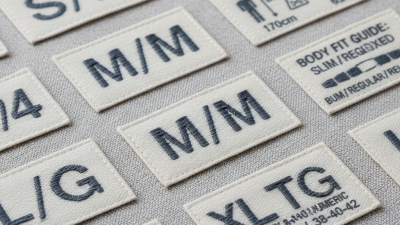
This guide examines Clothing Size Labels through a practical global-sourcing lens. It considers woven labels, printed care labels, hangtags, dual sizing, metric measurements, and QR-supported fit information. Clear labeling can reduce confusion at wholesale checkpoints and during online purchasing. It cannot solve poor pattern engineering. That limitation deserves attention.
The strongest systems are consistent, readable, and traceable from tech pack to final inspection. They also leave room for honest review. Consumer bodies change, regional data can be incomplete, and “universal” sizing remains an attractive but imperfect idea. Our recommendations therefore favor evidence, supplier communication, and measured flexibility over fashionable claims. Small details count. A label is not decoration.
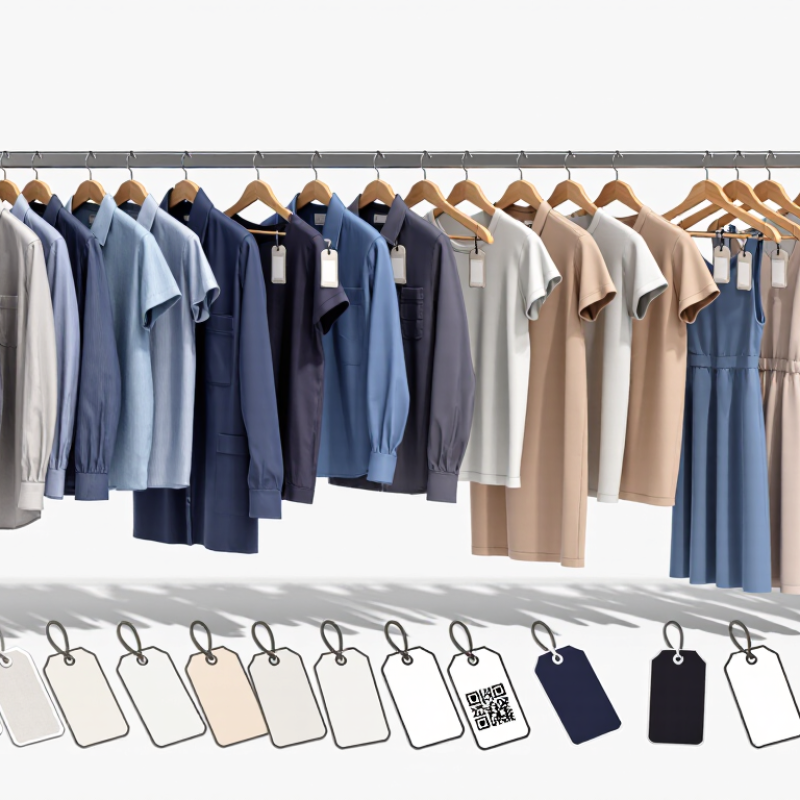
2026 Best Clothing Size Labels for Global Sourcing?
Global Clothing Size Label Systems and Their Regional Differences
Global apparel sizing is not one shared language. US labels often use numbers or letters, while UK sizing may use different numeric ranges. European labels commonly use centimeter-based numbers. Japan often combines local measurements with letter sizes. Australia may follow its own numeric conventions. These systems can describe similar bodies with different numbers.
For global sourcing, a useful label should show the selling region, body measurements, and fit information. Chest, waist, hip, and garment length are more reliable than a single conversion number. A label might state “EU 40 / US 8” and include centimeters beside both values. This gives buyers a clearer reference at the fitting room.
A conversion chart helps, but it can create false confidence. Regional bodies, grading rules, and preferred fits still vary. Loose clothing may cross markets more easily than tailored garments. During sample approval, sourcing teams should measure finished garments, not trust labels alone. Wash testing also matters because shrinkage can change fit. Small wording errors can cause returns. I have found that labels sometimes look accurate while the measurement table is outdated. That weakness deserves review. Suppliers should confirm regional requirements, test several size samples, and keep one approved measurement record for production. A simple label is useful. It is not the whole sizing system.
| Market / Size System | Typical Women's Label | Typical Women's Body Measurement Reference | Typical Men's Label | Typical Men's Body Measurement Reference | How the Label Is Commonly Interpreted | Recommended Global-Sourcing Practice |
|---|---|---|---|---|---|---|
| International Alpha | XS, S, M, L, XL | Bust, waist and hip measurements in centimetres or inches; the same alpha label can cover different measurement ranges by market. | XS, S, M, L, XL | Chest, waist and neck measurements in centimetres or inches; fit may be slim, regular or relaxed. | Letter-based sizing is simple for consumers but is not a universal measurement standard. | Always print a measurement chart beside the alpha size and define the intended fit. |
| United States / Canada | US 0–2 = XS, 4–6 = S, 8–10 = M, 12–14 = L, 16–18 = XL | Usually based on bust, waist and hip measurements in inches. A typical US women's M is often around a 36–38 in bust, depending on the size chart. | US 34–36 = S, 38–40 = M, 42–44 = L, 46–48 = XL | Numeric labels commonly refer to chest circumference in inches; a US men's 40 often indicates approximately a 40 in chest. | Women's numeric sizes are generally even-numbered; men's jacket and tailored-shirt labels commonly use body measurements. | Show US numeric size, alpha size and finished garment measurements separately. |
| United Kingdom | UK 4–6 = XS, 8–10 = S, 12–14 = M, 16–18 = L, 20–22 = XL | Usually uses bust, waist and hip measurements in inches or centimetres. UK women's numeric sizes are commonly two numbers higher than US women's sizes. | UK 34–36 = S, 38–40 = M, 42–44 = L, 46–48 = XL | Men's tailoring and shirts commonly use chest or neck measurements in inches. | UK and US women's numeric labels are not interchangeable without conversion; men's chest labels are often similar. | Identify the market explicitly as UK or US because women's numeric labels differ substantially. |
| European Union | EU 32–34 = XS, 36–38 = S, 40–42 = M, 44–46 = L, 48–50 = XL | Commonly based on body measurements in centimetres. EU women's 38 is often approximately equivalent to a 36 in bust circumference, but brand and garment categories vary. | EU 44–46 = S, 48–50 = M, 52–54 = L, 56–58 = XL | Men's jacket sizing commonly relates to half the chest circumference in centimetres; EU 50 is often associated with an approximately 100 cm chest. | EU numeric sizing is widely used across Europe, but local fit preferences and national charts can differ. | Use centimetres and include chest, waist and hip data; do not rely on EU-to-US conversion alone. |
| Japan | Japanese 5 = XS, 7 = S, 9 = M, 11 = L, 13 = XL | Women's labels commonly use odd numbers and may also show bust, waist and hip measurements in centimetres. Japanese 9 is frequently used as a medium reference. | Japanese S, M, L, LL, 3L | Men's garments often use alpha labels with centimetre-based body measurements; fit is frequently narrower than comparable Western sizing. | Japanese women's numeric labels and men's alpha labels are common; proportions may be shorter or narrower for the target population. | Validate sleeve length, body length, rise and shoulder width in addition to the main circumference. |
| China | 160/84A, 165/88A, 170/92A, 175/96A | The first number indicates recommended height in centimetres; the second indicates a primary body measurement in centimetres; the letter indicates body type. The exact measurement basis depends on the product category. | 165/88A, 170/92A, 175/96A, 180/100A | Height and chest or waist measurements are commonly combined, followed by a body-type code such as A. Product-specific standards may use different primary measurements. | Chinese size labels can combine height, body measurement and body type rather than using a single numeric size. | Keep the full height/measurement/body-type format on the care or hangtag and add an international conversion only as a secondary reference. |
| South Korea | 44 = XS, 55 = S, 66 = M, 77 = L, 88 = XL | Women's Korean numeric labels are commonly based on body measurements in centimetres and are often presented with bust, waist and hip charts. | 90 = XS, 95 = S, 100 = M, 105 = L, 110 = XL | Men's labels commonly use numbers related to chest circumference in centimetres, although the exact chart varies by garment type. | Korean women's and men's numeric systems are different; the number should not be treated as a direct EU or US equivalent. | Provide Korean measurements in centimetres and verify shoulder, sleeve and body length for export collections. |
| Australia / New Zealand | AU/NZ 4–6 = XS, 8–10 = S, 12–14 = M, 16–18 = L, 20–22 = XL | Women's numeric labels are broadly similar to UK sizing, but individual retailers and product categories may use different grading. | AU/NZ S, M, L, XL or chest-based measurements | Men's apparel often uses alpha sizing or chest measurements in centimetres and inches. | Women's AU/NZ numbers generally align more closely with UK numbers than US numbers, but conversion is not guaranteed. | List AU/NZ separately in e-commerce and wholesale data when the customer base requires local sizing. |
| France | FR 34–36 = XS, 38–40 = S, 42–44 = M, 46–48 = L, 50–52 = XL | French women's numeric labels are commonly two numbers higher than German or general EU references for comparable garments. | FR 44–46 = S, 48–50 = M, 52–54 = L, 56–58 = XL | Men's French tailoring labels commonly correspond to EU-style chest-based sizing. | French women's sizing is a national variation within the broader European market. | Use the country-specific label together with centimetre measurements for multi-country distribution. |
| Footwear: International Reference | Women's US 7 ≈ UK 5 ≈ EU 37–38 ≈ JP 24 cm | Footwear conversion depends on last shape, width and whether the measurement is foot length or insole length. | Men's US 9 ≈ UK 8 ≈ EU 42 ≈ JP 27 cm | Japanese footwear labels commonly use foot length in centimetres; US, UK and EU numbers are nominal size systems. | Footwear conversions are approximate and can vary by one-half size or more between construction types. | For sourcing, specify foot length, width and the measurement method instead of relying only on converted size numbers. |
Note: Clothing-size conversions are approximate because national standards, grading rules, garment categories, body proportions and preferred ease differ. For production, the measurement chart, tolerance specification and finished garment measurements should take priority over any international size conversion.