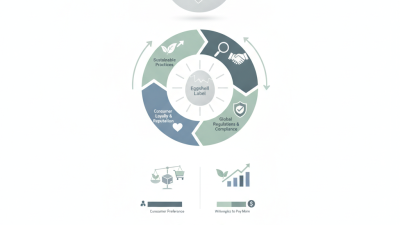
Top 10 Benefits of Eggshell Label for Global Buyers
The Eggshell Label is more than a mere branding tool; it represents a shift in consumer awareness. Renowned packaging expert Dr. Lily Chang observes, “The Eggshell Label not only protects products but also conveys a commitment to sustainability.” Today’s global buyers are increasingly drawn to products that reflect their values, and the Eggshell Label plays a pivotal role in this movement.
As consumers become more eco-conscious, they seek transparency in product sourcing and packaging. The Eggshell Label provides this insight. It signifies responsible practices and enhances brand trust. Furthermore, it caters to rising demands for eco-friendly solutions in various markets around the globe. Many brands have adopted this label to align with consumers' expectations.
Despite its advantages, the transition to Eggshell Labeling is not without challenges. Companies must adapt their supply chains and educate their teams. It's vital to balance innovation with practicality. The industry must reflect on these changes to ensure they meet consumer desires while maintaining operational efficiency.

Understanding What Eggshell Labels Are and Their Importance
Eggshell labels are becoming increasingly important for global buyers. These labels indicate that products meet specific standards, often related to sustainability and ethical sourcing. Understanding what these labels signify can greatly influence purchase decisions. They serve as a reliable guide for consumers seeking transparency in the products they choose.
Consumers often overlook the significance of these labels. They provide evidence that a product has been responsibly sourced. Such labels can reassure buyers about quality and ethical practices. This is essential in a market flooded with options. The presence of an eggshell label can lead to increased trust between a buyer and a seller.
When shopping, look for these labels on packaging. Pay attention to certifications that align with your values. It can make a difference in supporting sustainable practices. Reflect on what your purchases mean not just for you, but for the environment. Explore how these labels can guide you in making better choices.
The Role of Eggshell Labels in Sustainable Consumer Choices
Eggshell labels play a crucial role in promoting sustainable consumer choices. They provide essential information about product origins. These labels often indicate how eggs are produced, whether they are from free-range or organic farms. This transparency empowers consumers to make informed decisions that align with their values.
One notable aspect is their impact on reducing food waste. By knowing the source and quality of eggs, buyers are less likely to discard them. They can choose quality eggs that they feel good about purchasing. However, not all eggshell labels are created equal. Some may lack clear criteria or certifications. This sometimes confuses shoppers who wish to support sustainable practices.
Shoppers must also question their reliance on labels. Are they truly understanding the implications of what these seals represent? While many labels promote ethical production, the reality can be more complex. Not all labels guarantee humane treatment or environmental stewardship. Critical thinking is essential when interpreting these labels. This ensures that buying habits genuinely reflect personal ethics and contribute to sustainability.
Top 10 Benefits of Eggshell Labels for Global Buyers
The chart above illustrates the top ten benefits of eggshell labels as perceived by global buyers. Each benefit is rated on a scale from 0 to 100%, reflecting how important it is in influencing sustainable consumer choices.
How Eggshell Labels Enhance Product Traceability and Credibility
Eggshell labels have emerged as a crucial tool for enhancing product traceability. According to a report by the International Organization for Standardization (ISO), about 80% of consumers believe transparency is essential when choosing products. These labels provide an easily scannable format that links consumers to essential product information. This can include sourcing details and production methods, ensuring a credible shopping experience.
Moreover, eggshell labels help build trust between buyers and suppliers. A recent study in the Journal of Consumer Research showed that brands with better traceability enjoyed a 15% increase in customer loyalty. Effective use of eggshell labels means relevant data can be communicated clearly. These labels allow brands to show compliance with food safety standards, which is particularly critical in the food industry.
Despite their many benefits, implementing eggshell labels is not without challenges. Some companies struggle with keeping the information updated. Outdated labels can mislead consumers, highlighting the need for ongoing data management. Additionally, not all suppliers may be equipped to maintain the same level of traceability. Regular audits and evaluations are necessary to ensure credibility and consistency.
The Economic Impact of Eggshell Labels on Global Trade Practices
Eggshell labels are transforming global trade practices in significant ways. These labels offer critical information about egg sourcing and production methods. They help consumers make informed choices while boosting transparency within the supply chain. This increased clarity can foster trust between buyers and suppliers. However, not all producers adopt these labels. Some may find the costs prohibitive, leading to disparities in market access.
The economic impact of eggshell labels extends beyond consumer trust. For exporters, these labels enhance marketability. Countries with strict labeling requirements can create barriers for unprepared producers. This situation prompts innovative practices, compelling businesses to adapt. While this can stimulate economic growth, it also raises questions about sustainability. Producers must balance costs and ethical practices. As consumers demand more transparency, a disconnect may arise between large producers and small farms.
In addition, the international market benefits from standardized labeling. The eggshell label can become a global benchmark. Yet, variability in regulations can complicate trade. Countries may interpret labeling guidelines differently, leading to confusion. These complexities require careful navigation to ensure compliance and profitability. As the market evolves, ongoing dialogue about fair practices will be essential for all stakeholders involved.
The Future of Eggshell Labels in Promoting Eco-Friendliness and Transparency
Eggshell labels are emerging as vital tools in the quest for sustainability. They provide essential information about the sourcing and processing of products, addressing growing consumer demand for transparency. A recent report by the Food and Agriculture Organization noted that over 66% of global consumers prefer brands that openly share their environmental impact. Eggs, being a staple food worldwide, are crucial in this context. Consumers are moving toward brands that prioritize eco-friendly practices, fostering a more informed buying experience.
However, the implementation of eggshell labels isn't without challenges. While they promote eco-friendliness, not all farms may comply with these labeling standards. The World Wildlife Fund has highlighted that inconsistent labeling can confuse consumers, resulting in skepticism. This uncertainty can undermine the transparency that eggshell labels aim to provide. Effective communication and verification processes are necessary to ensure that these labels truly reflect sustainable practices.
Moreover, the future of eggshell labels hinges on their adaptability. A study from the International Journal of Agricultural Sustainability suggests that consumer preferences evolve. As the eco-conscious market expands, companies must stay ahead. The challenge lies in maintaining authenticity while fulfilling rising expectations. The journey toward universal adoption of eggshell labels is ongoing and requires industry-wide commitment.