Eggshell Label Tips for Effective Global Sourcing Strategies
In today's global marketplace, effective sourcing strategies are vital for businesses. The rise of sustainable practices has influenced how brands engage suppliers. An essential aspect of this is the "Eggshell Label." This term refers to certifications that indicate a product's environmental impact. According to a McKinsey report, 60% of consumers prefer brands that demonstrate a commitment to sustainability.
The Eggshell Label is not just a trend; it's a necessity for competitive advantage. Companies adopting this strategy often see increased customer loyalty. A survey by Nielsen revealed that 66% of global consumers are willing to pay more for sustainable brands. However, many businesses struggle to incorporate these labels effectively. They face challenges in validating suppliers and ensuring compliance with various standards.
Despite the clear benefits, integrating the Eggshell Label requires careful consideration. Companies must navigate different regulations and consumer expectations in worldwide sourcing. Some might overlook the importance of transparent supply chains. This oversight can lead to missed opportunities and reputational damage. Therefore, understanding effective Eggshell Label strategies is crucial for success in global sourcing.

Understanding the Importance of Eggshell Labels in Global Sourcing
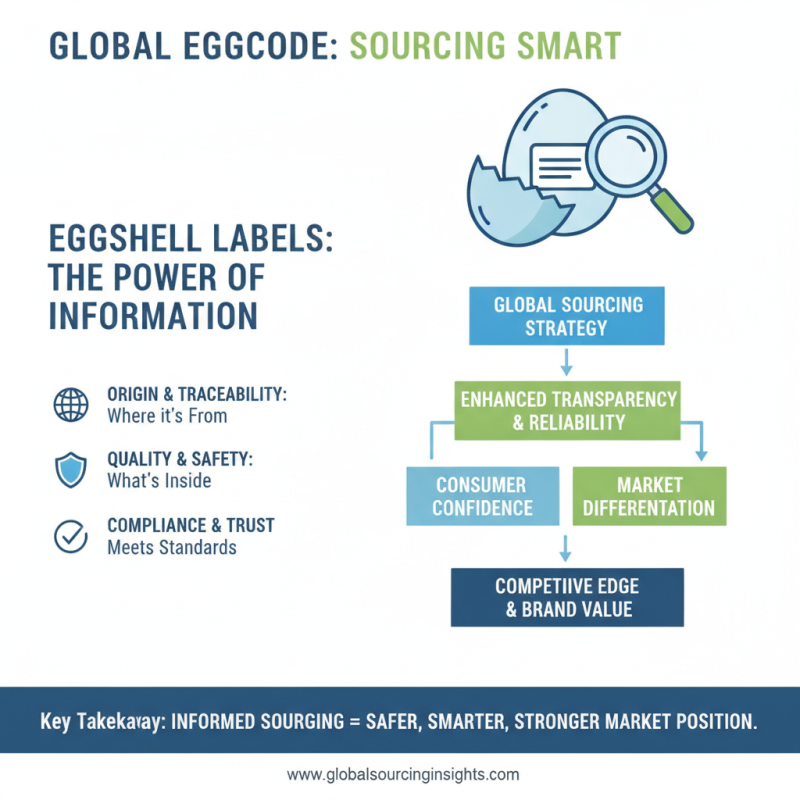
In global sourcing, eggshell labels play a critical role. These labels provide essential information about a product's origin, quality, and compliance. Understanding their significance can enhance sourcing strategies and build trust with consumers. For many companies, effective use of eggshell labels can distinguish their products in a crowded market.
Consumers today are increasingly discerning. They seek transparency and authenticity in the products they purchase. Eggshell labels can offer reassurance about ethical sourcing and sustainable practices. However, not all companies utilize these labels effectively. Some overlook the need for accurate and detailed information. This can lead to confusion and mistrust. The challenge lies in ensuring consistency in labeling across markets.
Reflecting on the implementation of eggshell labels reveals areas for improvement. Companies often miss opportunities to educate consumers about what the labels mean. Clear communication can foster deeper connections with customers. It is vital to prioritize clarity and accuracy. Companies should continually assess their labeling strategies in response to evolving market demands.
Key Considerations for Designing Effective Eggshell Labels
Designing effective eggshell labels involves a careful understanding of consumer behavior and regulatory standards. Research indicates that 80% of consumers consider labels crucial in their purchasing decisions. Clear and informative labeling can enhance product trust. However, many companies overlook crucial details, like ingredient sourcing or environmental impact. A lack of transparency may damage brand reputation.
The average consumer spends only seven seconds scanning a product's label. Focusing on concise and engaging information is essential. Labels should highlight key features and benefits without overwhelming the consumer. Studies show that using less than 5% technical jargon can significantly improve consumer understanding. Yet, many brands still present complicated language that confuses buyers.
Sustainability is another critical consideration. Reports indicate that 60% of buyers prefer sustainably sourced products. Incorporating eco-friendly design elements can bolster brand image. However, companies often struggle to adapt their labeling to reflect sustainable practices. Balancing legislative requirements with consumer preferences can be tricky. Failure to do so can lead to missed opportunities in a competitive market.
Strategies for Ensuring Compliance with International Labeling Standards
When engaging in global sourcing, compliance with international labeling standards is fundamental. Labels serve not only as a marketing tool but also as a legal requirement. It's crucial to understand the specific regulations of each target market. These regulations often differ significantly across regions. Accurate labeling can prevent costly penalties and enhance brand credibility.
A common pitfall in labeling is the failure to accommodate local languages and measurement units. Some companies overlook cultural nuances, leading to misinterpretations. This can harm a brand’s image and consumer trust. Keeping up to date with changes in regulations is challenging. Regular audits of labeling practices can help identify gaps and areas for improvement.
Investing time in training your team on compliance issues is wise. It can empower them to make informed decisions. Engage experts who understand the local landscapes. Seek feedback from consumers about labeling effectiveness. This can offer invaluable insights. Remember, adherence to standards is not merely a box-ticking exercise; it reflects your commitment to quality and consumer safety.
Eggshell Label Tips for Effective Global Sourcing Strategies
| Label Component |
International Standard |
Compliance Requirement |
Notes |
| Product Name |
ISO 9001 |
Must include clear identification |
Avoid using abbreviations |
| Ingredients List |
Codex Alimentarius |
Declare all ingredients by descending order |
Common allergens must be highlighted |
| Net Weight |
NIST Handbook 130 |
Display weight in both metric and imperial units |
Ensure accuracy within +/− 1% tolerance |
| Manufacturer Information |
FTC (Federal Trade Commission) |
Full address and contact info required |
Consider adding a QR code for easy access |
| Expiration Date |
ISO 22000 |
Must indicate the best before or expiration date |
Use standard date format for clarity |
Common Challenges in Implementing Eggshell Labels Across Borders
Implementing eggshell labels globally presents various challenges. One major hurdle is the diversity of regulations across different countries. Each nation may have distinct requirements regarding labeling. This often requires extensive research to ensure compliance.
Language barriers can also complicate the situation. Accurate translations are vital for conveying information effectively. Misinterpretations could arise from poorly translated labels, leading to false perceptions or safety issues. Engaging local experts can minimize these risks.
Tips for effective sourcing: Collaborate closely with local partners. They understand regional market nuances and regulatory landscapes. Conduct thorough market research on local consumer preferences to tailor your message. Regular audits of compliance can prevent future pitfalls. Be flexible and ready to adapt your strategies as you learn from each market.
Challenges in Implementing Eggshell Labels Across Borders
Best Practices for Evaluating Suppliers and Their Labeling Capabilities
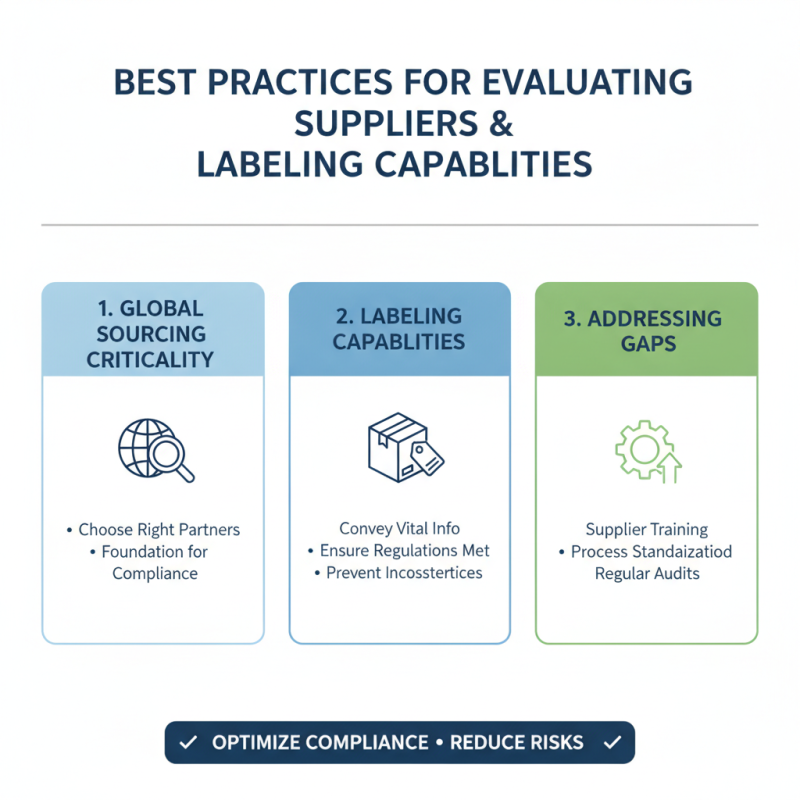
Choosing the right suppliers for global sourcing is critical. Evaluating their labeling capabilities is just as crucial. Labels convey vital information, ensuring products comply with regulations. Yet, not all suppliers follow best practices. Often, companies find inconsistencies in labels due to lack of training.
One effective strategy is to assess a supplier’s labeling processes. Ask for samples and inspect them closely. Look for accuracy in language and format. Many suppliers may overlook minor details, which can lead to significant issues later. Additionally, verify if they have robust quality control measures in place.
It’s also wise to engage in dialogue with potential suppliers. Communication can reveal their understanding of global labeling standards. Some may claim expertise but lack real-world experience. This highlights the need for careful vetting. Establish criteria for evaluation that includes practical labeling scenarios. Using a structured approach ensures a reliable supply chain.