2026 Best Eggshell Label Trends for Global Buyers?
The Eggshell Label market is evolving rapidly. Global buyers increasingly seek labels that stand out. According to a recent industry report by Smithers Pira, the sustainable labeling market is projected to grow by 8% annually. This growth emphasizes the demand for eco-friendly materials like eggshell labels.
Eggshell Labels offer unique advantages. They exhibit a natural texture and are lightweight, providing an appealing aesthetic and practical use. In the competitive landscape of packaging, brands are exploring these labels to promote sustainability while enhancing their visual identity. However, not all suppliers meet the same standards. This inconsistency in quality can lead to disappointment for buyers.
As we approach 2026, industry experts recommend focusing on innovation and customer preferences. Research indicates that brands adopting eggshell labels report higher consumer satisfaction. Yet, it is crucial to be wary of the supply chain's environmental impact. Understanding these trends is essential for making informed purchasing decisions in the global market.
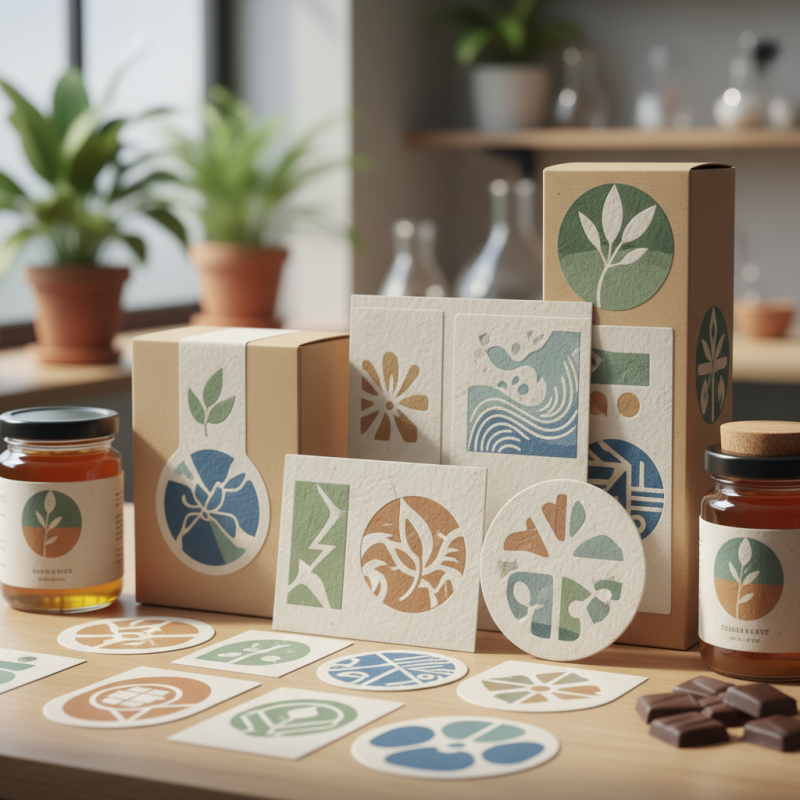
Emerging Color Palettes in Eggshell Label Design for 2026
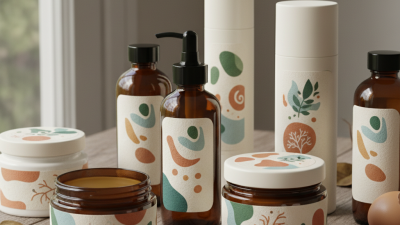
In 2026, the eggshell label design trend is evolving rapidly. Designers are exploring fresh color palettes that convey authenticity and warmth. Soft pastels, muted earth tones, and vibrant pops of color are gaining popularity. These shades evoke a sense of nostalgia while appealing to modern aesthetics.
The use of color significantly impacts consumer perception. A gentle lavender hue can create a calming effect, while a bright tangerine invites energy and excitement. Brands may benefit from experimenting with these tones to resonate emotionally with their audience. However, balancing vibrant colors with subtle undertones is crucial for maintaining brand identity.
Designers face challenges in choosing the right combinations. Some experiments might clash disastrously. A bright label can easily overshadow a product. Ensuring legibility and aesthetic appeal is a fine line to walk. Refining these choices can lead to stunning results but may require several iterations. This exploration is part of the creative journey, highlighting the ongoing dialogue between color, design, and consumer engagement.
Sustainable Materials and Eco-Friendly Practices in Label Production
Sustainable materials are gaining traction in the label industry. According to a recent report by Smithers Pira, the global market for sustainable labels is expected to grow by 4.5% annually. This trend reflects a broader commitment to eco-friendly practices and materials.
Biodegradable inks and recycled substrates are at the forefront of this shift. Many companies are adopting water-based inks. These inks reduce volatile organic compounds (VOCs) and improve air quality. The use of post-consumer waste materials in label production is rising. This practice minimizes waste and conserves resources. However, scalability remains a challenge. Not all manufacturers can easily transition to these materials.
Brands face pressure to adopt sustainable practices. Consumer demand for eco-friendly products is increasing. According to Research and Markets, 62% of consumers prefer products with sustainable packaging. Yet, achieving sustainability in labeling requires investment and innovation. Not all businesses are prepared. They must evaluate the cost versus the environmental impact.
2026 Best Eggshell Label Trends for Global Buyers
Innovative Typography Trends Shaping Eggshell Labels in 2026
In 2026, innovative typography will play a crucial role in shaping the design of eggshell labels. The rise of consumer preference for minimalism has led brands to explore cleaner, more refined typographic styles. According to the Global Labeling Growth Report, over 70% of consumers notice label typography when making purchasing decisions. This underscores the importance of typography in creating a lasting impression.
Bold sans-serif fonts are trending, providing readability and modernity. Combining different font weights can create a dynamic hierarchy, making key information stand out. Additionally, the use of negative space is becoming prominent. Brands are utilizing space to enhance visual appeal and clarity. This method fosters a sense of sophistication.
However, achieving the perfect balance is challenging. Overdesigning can lead to information overload for the consumer. A recent survey indicated that 60% of respondents felt overwhelmed by busy labels. Striking the right balance requires ongoing experimentation and a willingness to refine designs based on feedback. Understanding consumer preferences is essential, yet a delicate equilibrium must be maintained between innovation and simplicity.
The Role of Technology in Enhancing Eggshell Label Aesthetics
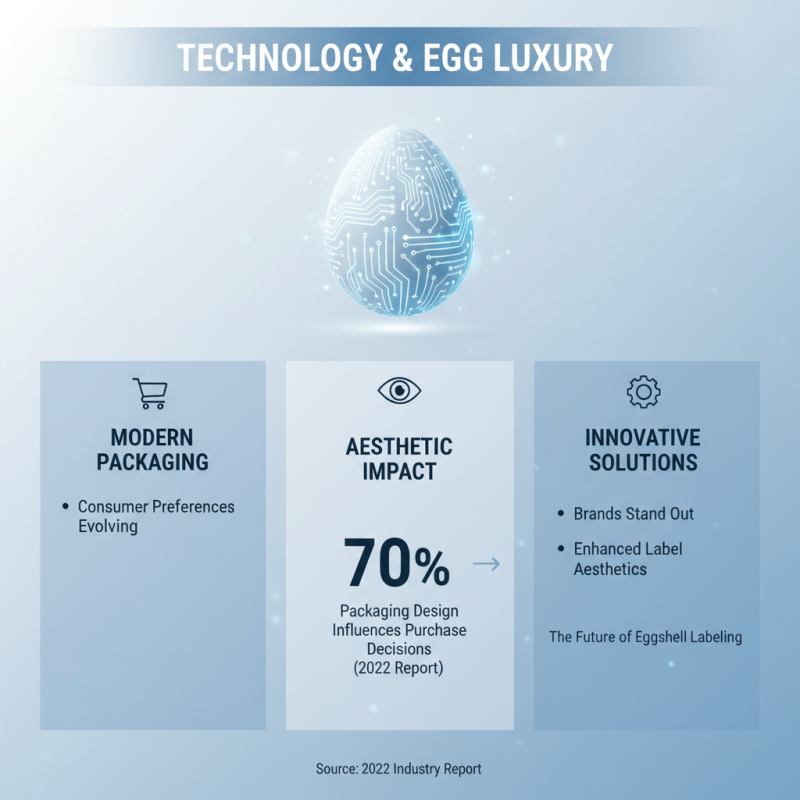
The role of technology in enhancing eggshell label aesthetics has become paramount in modern packaging. As consumer preferences shift, brands seek innovative solutions to stand out. In 2022, a report indicated that packaging design could impact purchase decisions by up to 70%. This highlights the importance of aesthetics in labeling.
Advanced printing techniques, like digital inkjet and flexographic printing, allow for intricate designs and vibrant colors. These methods improve quality while maintaining cost-effectiveness. Reports show that brands utilizing high-quality graphics see an increase in consumer engagement by approximately 40%. However, reliance on technology poses challenges; high expectations can lead to dissatisfaction if the output doesn't match the visuals.
Moreover, incorporating augmented reality (AR) can enhance consumer interaction. Studies discuss how AR can elevate the user experience, allowing consumers to engage with labels in new ways. Yet, integrating such technology may require considerable investment. Many smaller brands struggle with costs, leading to a disparity in label quality. This technological advancement should not overshadow fundamental design principles but enrich them. Brands must balance tech reliance with creative integrity.
Case Studies: Successful Brands Leading Eggshell Label Trends in 2026
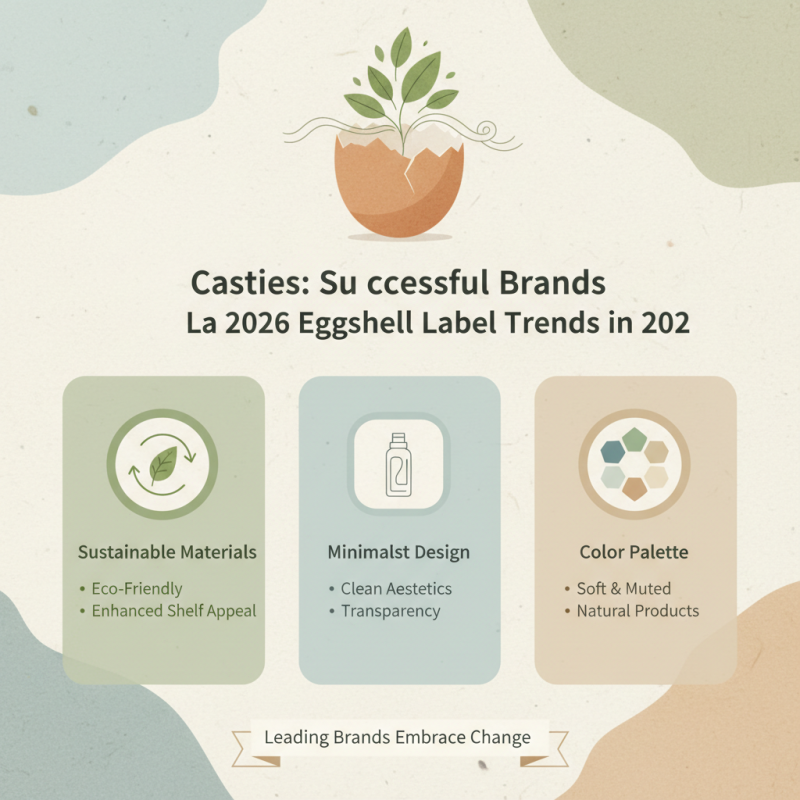
In 2026, the eggshell label market is witnessing transformative changes. Many brands are embracing sustainable materials. These materials are not only eco-friendly but also enhance product shelf appeal. The focus on minimalism is evident, with companies opting for clean designs that convey transparency. Colors are soft and muted, aligning with the overall aesthetic of natural products.
One notable case involves a brand that redefined its identity through storytelling. Their labels highlight the origins of ingredients used, fostering a deeper connection with consumers. This approach resonates well with buyers seeking authenticity. However, there are challenges. Some brands struggle with balancing creativity and clarity on their labels. Misleading graphics can confuse consumers, leading to mistrust.
Brands need to consider user experience. A label should provide essential information while being visually appealing. As trends evolve, companies must adapt to changing consumer preferences. The journey towards effective branding can be trial and error. Implementing feedback loops can help refine designs through actual customer insights.