Leave Your Message

2026 Best Eggshell Sticker Types for Global Buyers?

For global buyers, choosing the right Eggshell Sticker involves more than comparing colors, sizes, or unit prices. These fragile, tamper-evident labels are designed to break into small pieces when removal is attempted. This feature can protect warranty seals, electronics, packaging, access panels, and branded products. However, performance depends on the surface, adhesive, storage temperature, and application method. A sticker that performs well on a smooth charger may fail on textured cardboard. Small details matter. Our 2026 guide reviews practical sticker types for different purchasing needs. It considers material quality, surface finish, printing accuracy, and customization options. It also explains how serial numbers, QR codes, and die-cut patterns may support product identification and basic security controls.

Reliable sourcing requires evidence, not attractive product photos. Buyers should request technical data sheets, material samples, adhesive test results, batch records, and clear production tolerances. Test samples on the actual surface whenever possible. Laboratory glass is not enough. Good suppliers should explain application temperature, shelf life, storage conditions, and expected breakage behavior. Humid warehouses, dusty factories, and long-distance shipping can expose weaknesses. Some recommendations may need adjustment after field testing. That is worth admitting. No Eggshell Sticker suits every climate, substrate, or industry. Buyers should also review applicable packaging, labeling, recycling, and import requirements in each destination market. With careful comparison and documented testing, procurement teams can reduce waste, improve traceability, and choose a dependable solution for 2026.
2026 Best Eggshell Sticker Types for Global Buyers?

What Are Eggshell Stickers and How Do They Work?

2026 Best Eggshell Sticker Types for Global Buyers?

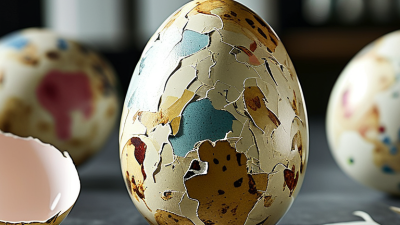
Eggshell stickers are tamper-evident labels made from fragile paper or film. Their surface breaks when someone tries to remove them. The adhesive stays attached, leaving flakes or a visible residue on the package. This simple reaction helps confirm whether a carton, box, or device seal was disturbed.

Paper eggshell stickers suit indoor packaging and cost-sensitive orders. Synthetic eggshell films handle humidity, chilled storage, and light abrasion better. Patterned versions can reveal damage more clearly, while numbered formats improve batch tracking.

A 2024 Smithers market report estimates the global labels market could approach US$50 billion by 2028. That growth reflects stronger demand for traceability and package security, not only decoration.

Choose based on surface texture, temperature, removal force, and expected storage time.

Adhesive selection matters. On recycled cardboard, excessive bonding may tear the carton before the label fractures. On smooth glass or coated plastic, weak bonding may allow clean removal. Industry testing often uses ASTM D3330 peel-adhesion methods, although real packaging conditions can produce different results.

Humidity changes everything. Testing samples for 24 to 72 hours is sensible, but longer storage trials may expose failures. No eggshell material is perfect. A label that shatters too easily can create messy handling problems. A label that resists too strongly may damage valuable packaging.

Global buyers should request material data, temperature ranges, adhesive specifications, and sample testing before approving a 2026 purchase.
Which Eggshell Sticker Types Are Available in 2026?

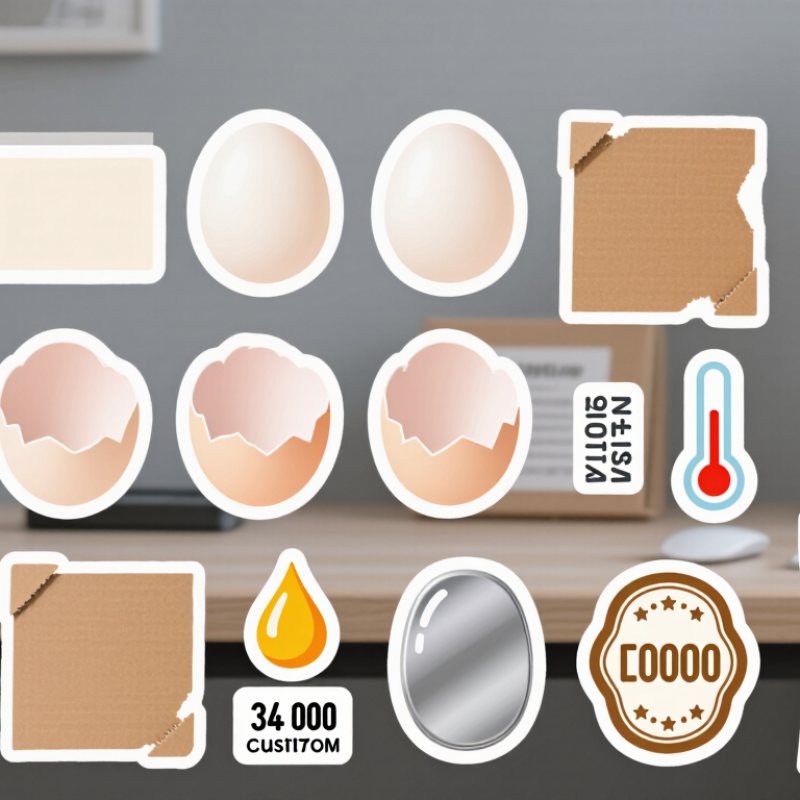
In 2026, eggshell stickers are available in several practical types for global buyers. Standard white eggshell stickers use a brittle face material that breaks into small pieces during removal. They suit serial numbers, asset labels, and sealed cartons. Clear eggshell versions preserve the color or pattern beneath the sticker. They work well on glass, polished plastic, and printed surfaces.

Printed eggshell stickers can carry logos, instructions, barcodes, or QR codes. Fine text needs strong contrast and careful sizing. Writable versions accept pens or permanent markers for batch details and inspection dates. Some suppliers offer custom die-cut shapes, including circles, rectangles, and narrow strips. Security designs may include hidden patterns, sequential numbering, or a message that appears after attempted removal. These features improve traceability, but they do not replace proper inventory controls.

Adhesive choice matters as much as the face material. Permanent adhesive suits smooth metal and rigid plastic, while stronger formulations may perform better on textured cartons. Buyers should test samples after heat, humidity, dust, and cold storage. A label that works in a dry warehouse may fail on a refrigerated package. Some “eco” options use reduced-plastic materials, but their tear behavior can vary. That point deserves verification, not assumption. Ask for technical data, application temperature ranges, residue information, and production samples before placing a large order. Even experienced buyers can overlook surface coatings.

2026 Best Eggshell Sticker Types for Global Buyers? - Which Eggshell Sticker Types Are Available in 2026?

Eggshell Sticker Type Typical Face Material Destruction Behavior Best Applications Main Advantages Important Limitations Typical Durability
Standard White Destructible Vinyl Matte white destructible vinyl Breaks into small flakes when removal is attempted Warranty labels, asset identification, electronics, packaging seals Cost-effective, printable, clearly indicates tampering Not intended for frequent handling or outdoor exposure without suitable protection Commonly about 1–3 years indoors, depending on adhesive and environment
Clear Destructible Vinyl Transparent destructible vinyl Fragments or tears during removal while allowing the surface to remain visible Clear packaging, product overlays, premium boxes, security seals Maintains product visibility and offers a discreet appearance Requires clean, smooth surfaces; printing and application may need tighter process control Usually suited to indoor or moderate-use conditions
Colored Destructible Vinyl Colored matte or gloss destructible vinyl Splits into fragments and cannot normally be reapplied intact Color-coded inventory, service labels, access control, serialized packaging Fast visual identification and strong tamper evidence Color and print durability vary; dark colors may require testing for barcode contrast Indoor durability is generally higher than unprotected outdoor durability
High-Tack Destructible Vinyl Destructible vinyl with aggressive permanent adhesive Face material breaks while the adhesive remains strongly bonded Powder-coated metal, plastics, painted equipment, irregular or difficult surfaces Improved adhesion and stronger resistance to clean removal May leave adhesive residue and can damage sensitive coatings or painted surfaces Suitable for demanding indoor applications and selected outdoor uses after testing
Void-Message Eggshell Hybrid Destructible face stock combined with a void-message adhesive system Leaves a visible message or pattern and may also fracture during removal High-value packaging, sealed cartons, equipment panels, controlled-access products Provides two tamper indicators: material destruction and a reveal message Higher cost; message visibility and transfer depend on surface, temperature, and dwell time Durability varies by adhesive construction and application surface
Holographic or Security-Pattern Eggshell Sticker Destructible film with holographic or optically variable security features Fractures on removal while the optical pattern supports visual authentication Luxury packaging, certificates, authentication labels, anti-counterfeit programs Difficult to reproduce accurately and easy to inspect visually Higher unit cost; optical features do not replace serialization or supply-chain controls Often designed for indoor use; protective overlamination may affect destructibility
UV- or Fluorescent-Ink Eggshell Sticker White, colored, or clear destructible vinyl with covert UV-reactive ink Sticker fractures during removal; hidden or visible features support inspection Pharmaceutical packaging, documents, event credentials, controlled distribution Adds an inspection feature that is not obvious under normal lighting Needs a UV inspection device and controlled artwork; ink performance depends on formulation Typically intended for controlled indoor environments
Serialized QR or Barcode Eggshell Sticker Printable destructible vinyl with a unique QR code or barcode Physical removal damages the label and interrupts the original identification link Product traceability, warranty registration, spare parts, inventory control Combines tamper evidence with digital identification and record keeping Requires readable code contrast, database management, and protection from abrasion or chemicals Durability depends mainly on face stock, ink, adhesive, and any protective coating
Outdoor-Grade Destructible Vinyl Weather-resistant destructible vinyl with outdoor-rated adhesive and ink Remains attached in service but breaks when deliberate removal is attempted Outdoor equipment, utility assets, vehicles, industrial identification Better resistance to moisture, temperature changes, and sunlight than standard indoor stock Costs more and still requires testing for chemicals, abrasion, UV exposure, and surface compatibility Often rated for approximately 2–5 years outdoors, but actual life varies significantly
Low-Temperature Application Eggshell Sticker Destructible vinyl paired with a cold-temperature adhesive Fractures during removal after bonding, even when applied in cooler conditions Cold-chain cartons, refrigerated equipment, warehouses, temperature-sensitive logistics Improves initial tack and application reliability at low temperatures Cold surfaces, condensation, and frost can still reduce adhesion; application testing is essential Performance depends on the adhesive grade, surface temperature, and condensation level
Selection note: Eggshell stickers are generally designed to fracture or become unusable when removal is attempted. Actual performance depends on the face material, adhesive, application surface, temperature, humidity, printing method, and exposure to chemicals or abrasion. Buyers should request samples and conduct application-specific tests before large-scale production.

How Do Materials and Security Features Affect Sticker Performance?

For global buyers, eggshell stickers should be selected by material, surface, and handling conditions. Paper-based eggshell film is economical and tears visibly during removal. It suits indoor labels, cartons, and smooth painted surfaces. Vinyl versions resist splashes and light abrasion better. However, vinyl may stretch before breaking, reducing tamper evidence. PET offers stronger dimensional stability, especially during long-distance shipping and temperature changes.

Material is only one part of sticker performance. Adhesive strength must match glass, metal, plastic, or coated packaging. A powerful adhesive is not always better. It can leave residue or damage the package surface. Test samples after refrigeration, heat exposure, and several days of handling. Small details matter. Humidity can soften paper edges. Dust can weaken bonding. Curved surfaces may create early lifting.

Security features also influence buyer confidence. A destructible pattern should separate clearly when someone attempts removal. Hidden text, serial numbers, or controlled QR verification can support traceability. Yet a QR code alone proves little. It needs protected data and a reliable checking process. Clear, high-contrast markings help warehouse staff inspect labels quickly. Security ink may improve visual checking, but it can increase production costs. One weakness remains common: buyers test the sticker only on clean samples. Real packaging is rarely perfect. Evaluation should include oily surfaces, uneven application, and rushed manual placement.

How Should Global Buyers Compare Sizes, Adhesives, and Custom Options?

2026 Best Eggshell Sticker Types for Global Buyers?

How Should Global Buyers Compare Sizes, Adhesives, and Custom Options?

Global buyers should compare eggshell stickers by application, not appearance alone. Destructible vinyl suits warranty seals, asset labels, and tamper-evident packaging. Clear eggshell film creates a cleaner look on smooth surfaces. White film usually offers stronger contrast for small text and codes. Samples matter.

Size affects both readability and removal performance. A 20-millimeter circle may fit a compact device, but it can limit warning text. Larger rectangular stickers provide space for serial numbers, dates, or inspection marks. Measure the actual surface, including curves and edges. Small details decide.

Adhesive selection needs practical testing. Permanent acrylic adhesive often performs well on clean metal, coated plastic, and glass. Removable adhesive may protect temporary labels, but it can weaken under heat, dust, or moisture. Test samples after refrigeration, shipping vibration, and several days on the target surface. Do not judge by peel force alone. Check residue, tearing, print clarity, and edge lifting.

Custom options should include shape, thickness, color, numbering, and variable data. A QR code needs enough quiet space and strong contrast. Fine lettering may disappear after printing or cracking. Ask for material specifications, adhesive data, storage conditions, and production tolerances. Regional climate can change results, so a sticker tested in a dry warehouse may fail near a humid port. I have seen buyers overfocus on low unit prices, then pay more for replacements. That mistake remains easy to make.

What Standards, Packaging, and Shipping Factors Should Buyers Check?

2026 Best Eggshell Sticker Types for Global Buyers?

Eggshell stickers offer a soft, low-glare surface for cartons, jars, gift boxes, and retail packs. Buyers can choose coated paper for economical indoor use, synthetic film for humid storage, or textured paper for a premium tactile effect. The best option depends on surface material, print method, and expected handling. Test before scaling.

Ask suppliers for adhesive data, ink specifications, batch traceability, and performance reports. For food-related packaging, confirm whether the sticker touches food directly or only the carton surface. Applicable requirements may include food-contact rules, chemical restrictions, and good manufacturing practices in the destination market. Do not accept a generic “international standard” claim. Request test conditions, including temperature, humidity, peel strength, and aging time. Humidity changes everything.

Packaging should protect rolls from dust, crushing, and moisture. Check roll diameter, core size, winding direction, label spacing, and carton strength before production. A small mismatch can stop an automatic applicator. For sea freight, use moisture barriers and desiccants when suitable, while air shipments need strong edge protection. Confirm pallet dimensions, gross weight, shipping marks, HS classification, and Incoterms in writing. Adhesive may fail after cold transport, even when the sample worked indoors. That is easy to overlook. I would also order a production-line trial, because a beautiful sample can hide feeding, curling, or residue problems.