Top Tips for Sourcing Quality Package Stickers Worldwide?
Sourcing quality package stickers is crucial for brands that aim to stand out. The right stickers can enhance product appeal and improve customer engagement. However, the journey to finding reliable suppliers can be challenging. This article offers practical tips to navigate the complex world of package stickers.
Understanding your needs is just the start. Quality varies significantly among suppliers. You might find yourself struggling with options that don’t match your vision. Researching suppliers is essential. Look for those with a proven track record. Check their reviews and client testimonials to gauge their reliability. Networking can also yield valuable insights.
The material and design of the stickers matter too. Choosing the right materials can make a difference in durability and visual appeal. Consider seeking samples before making a bulk order. Reflecting on previous experiences might help. What worked? What didn’t? This continuous evaluation is vital for achieving your branding goals with package stickers.

Understanding the Importance of Quality Package Stickers
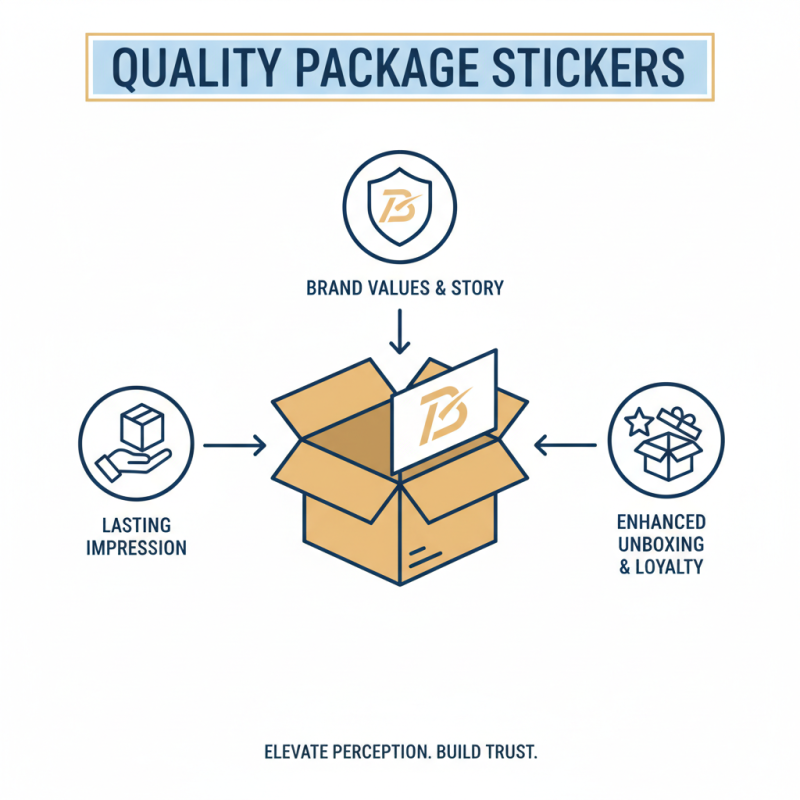
Quality package stickers are essential in creating a lasting impression. They do not just serve to identify products; they communicate the brand's values and storytelling. A well-designed sticker can engage customers and enhance their unboxing experience. Attention to detail in sticker quality can elevate brand perception and customer loyalty.
When sourcing stickers, consider the material and printing techniques. Different materials, like vinyl or paper, have distinct qualities. Vinyl is more durable, while paper offers a classic feel. Research various printing methods to achieve the desired finish. Engaging with multiple suppliers allows for comparisons. Evaluate their expertise and customer reviews.
Pay attention to the design and functionality of your stickers. Effective stickers often incorporate elements that resonate emotionally with consumers. Colors, fonts, and graphics should align with your brand identity. Solicit feedback on sticker prototypes to refine them. This iterative process can reveal insights you might overlook initially. Quality package stickers are more than decorative; they are strategic touchpoints that enhance your brand.
Identifying Reputable Suppliers for Package Stickers
When sourcing quality package stickers, identifying reputable suppliers is essential. The market for packaging stickers is expected to grow significantly, with a projected value reaching USD 20 billion by 2027. This growth highlights the demand for reliable manufacturers. A key factor in sourcing is thorough research. Utilize online platforms like industry forums, where users share personal experiences. Feedback is crucial. Look for suppliers with consistent positive reviews.
Verification is another critical step in identifying reputable suppliers. It’s wise to ask for samples before making a larger investment. According to a 2022 survey, only 30% of businesses focus on sample evaluation before bulk purchasing. This oversight can lead to costly mistakes. Additionally, communicate directly with suppliers to assess their responsiveness. Poor communication can indicate future issues.
Trade shows can serve as a goldmine for forming connections. They often offer face-to-face interactions, enabling you to gauge the supplier’s reputation. A report from the Packaging Association revealed that 68% of successful partnerships stem from networking at these events. Trust your instincts during these interactions. Sometimes, a gut feeling can be just as important as hard data. Seek out those who prioritize quality over quick sales.
Top Tips for Sourcing Quality Package Stickers Worldwide
This bar chart illustrates the average quality ratings for different factors when sourcing package stickers, highlighting the importance of material quality and adhesion strength for a successful product.
Evaluating Materials and Printing Techniques for Stickers
When sourcing quality package stickers, evaluating materials and printing techniques is crucial. Different stickers serve various purposes, and the right materials can enhance their effectiveness. Vinyl, for instance, is durable and water-resistant. It’s ideal for outdoor use or products exposed to moisture. Paper stickers, while less durable, are more cost-effective and can be eco-friendly.
Consider the intended use before making a choice.
Printing techniques also play a significant role in the final product. Digital printing allows for vibrant colors and complex designs. However, it may not always be cost-effective for large quantities. On the other hand, flexography is efficient for high-volume orders. It offers consistent quality but might limit design intricacy. Knowing the pros and cons of each method can aid in making informed decisions.
It’s essential to test samples before committing to a large order. Some materials may not adhere well or could fade quickly in sunlight. Reviewing testimonials from other customers can provide insight into reliability. Choosing the right materials and techniques demands careful consideration. Mistakes can be costly, so take time to evaluate your options thoroughly. Embrace the learning process to improve future sourcing decisions.
Establishing Clear Communication with Vendors
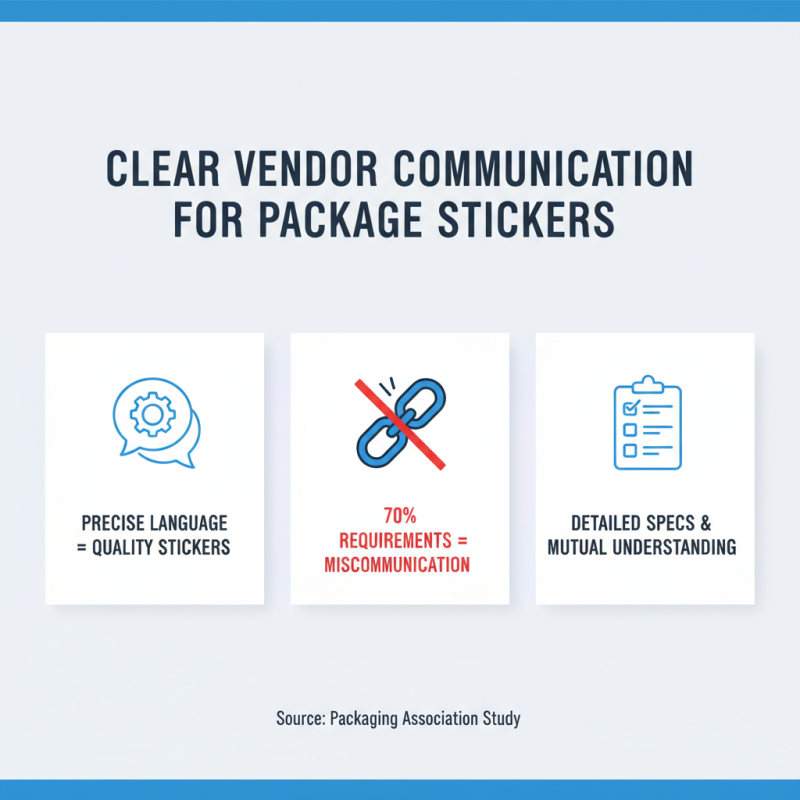
Establishing clear communication with vendors is crucial in sourcing quality package stickers. A recent study by the Packaging Association indicates that 70% of miscommunications stem from vague requirements. Precise language can prevent costly errors. Businesses should prepare detailed specifications to ensure mutual understanding.
Visual aids, like sketches or samples, can bridge language gaps. A picture speaks volumes. Responding promptly fosters trust and expedites the decision-making process. Yet, challenges persist. Language barriers and cultural differences can lead to misunderstanding. Research reveals that 60% of vendors struggle with unclear messages. Regular follow-ups help clarify any uncertainties.
Utilizing a dedicated platform for communication enhances transparency. Documentation should be easily accessible for both parties. Investing in translation services can minimize risks. Remember, building a relationship takes time. Frequent and consistent communication fosters collaboration. It helps vendors align with your vision, resulting in better quality stickers.
Managing Logistics and Shipping for International Orders
When managing logistics and shipping for international orders of package stickers, precision is key. Global trade data reveals that logistics inefficiencies can account for up to 30% of costs in international shipping. This highlights the importance of having a robust logistics strategy. Partners with clear shipping protocols can minimize these issues. Choosing the right shipping methods can also impact delivery times significantly.
In addition, understanding customs regulations is crucial. Each country has its own requirements, which can be daunting. Published reports indicate that improper documentation can cause delays in up to 50% of all international shipments. It's essential to ensure compliance with all paperwork to avoid unnecessary setbacks. Establishing good relationships with shipping carriers can help navigate these challenges.
Investing in technology can improve logistics management. Tools like tracking software allow real-time updates. A report from a leading industry analyst states that companies using tracking technology see a 20% increase in customer satisfaction. However, reliance on technology can pose its risks. System failures or outages can disrupt operations unexpectedly, requiring contingency plans. Emphasizing both technology and strong partnerships is crucial for successful international shipping.
Top Tips for Sourcing Quality Package Stickers Worldwide - Managing Logistics and Shipping for International Orders
| Tip Number |
Sourcing Strategy |
Logistics Consideration |
Shipping Method |
Estimated Delivery Time |
| 1 |
Research suppliers online |
Shipping rates comparison |
Air Freight |
5-7 days |
| 2 |
Attend trade shows |
Customs clearance |
Sea Freight |
20-30 days |
| 3 |
Use local distributors |
Inventory management |
Courier Service |
3-5 days |
| 4 |
Check online marketplaces |
Import regulations |
Freight Forwarding |
10-15 days |
| 5 |
Request samples before bulk order |
Insurance options |
Land Transport |
7-14 days |