Why Are Clothing Size Stickers Important for Buyers?
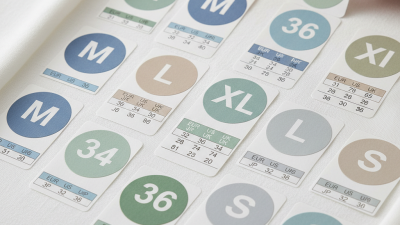
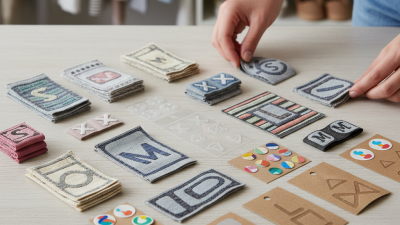
Clothing Size Stickers may look like minor details, but they can make choosing a garment easier. A clear size label helps buyers find the right section on a rack or confirm an item before checkout. In a busy store, a small sticker marked “M” or “12” can save time. It can also help staff return misplaced clothes to the correct place.
Useful, but not magic.
For shoppers comparing several items, consistent size stickers make labels easier to scan. They can reduce mix-ups when similar colors and styles are displayed together. Online buyers may also use the size shown on a product tag as a starting point. Still, a sticker cannot tell the whole story. A medium in one brand may feel tighter than a medium in another, and fabric, cut, and personal preference all affect fit. That difference is easy to overlook.
This guide explores why Clothing Size Stickers matter to buyers, what information they can provide, and where their limits begin. It also considers how shoppers can use them alongside garment measurements and fit notes. A sticker offers a quick clue, not a promise. Buyers should check the item itself, especially when a comfortable fit matters. Even then, sizing can remain a little uncertain. That is worth acknowledging.

What Information Do Clothing Size Stickers Provide?
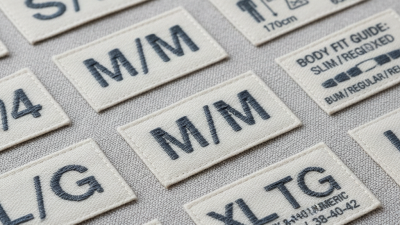
A clothing size sticker gives buyers a fast starting point: the labeled size, and sometimes the fit, cut, or regional sizing system. A waist and inseam sticker on jeans is more useful than a lone “M” because it offers concrete measurements to compare with a garment that already fits. Stickers may also include a barcode or product code, helping staff identify the exact item when several colors or cuts look alike.
Small detail.
But a size label is not a fit guarantee: brands and garment shapes can differ, and fabric may behave differently after washing.
The scale of returns makes clear why accurate sizing information matters.
The National Retail Federation and Appriss Retail estimated that U.S. retail returns totaled $743 billion in 2023, or 14.5% of annual retail sales.
That figure covers all retail, not clothing alone, so it should not be read as an apparel-specific return rate. Still, a clear sticker can help shoppers make a more informed choice before purchase. It works best alongside a size chart with body or garment measurements, especially when a shopper is between sizes. I sometimes find the sticker too simple for that decision. A compact label cannot explain stretch, rise, or how a shoulder seam will sit.
How Do Size Stickers Help Buyers Compare Garments?
A size sticker gives buyers a quick starting point when comparing garments on a rack or product page. It lets shoppers group similar sizes before checking details. But a label is not a fit guarantee. Sizing can vary between makers, and a relaxed shirt may feel very different from a fitted one with the same sticker. That matters. Buyers should compare the garment’s chest, waist, and length measurements when those details are available.
A practical check is to measure a well-fitting garment at home and compare its dimensions with the item being considered. Lay both flat, and use the same points: chest width from underarm to underarm, for example. Also look at fabric stretch and cut. A knit top may give more than a woven shirt, while a cropped hem changes how the length feels. Stickers make quick comparisons easier, but they leave out these details. I still find that easy to overlook. When measurements are missing, a buyer can use the sticker as a rough guide, then inspect the garment’s shape, seams, and fabric before choosing.
How Do Size Stickers Support Fit and Purchase Decisions?
A size sticker is a quick reference, not a fit guarantee. It helps shoppers compare garments on a rack and narrows the choices before they enter a fitting room. Clear size labels matter online, too: shoppers can match the displayed size with garment measurements, model details, and fit notes. A sticker marked “medium” alone says little about sleeve length or waist ease. Small cue. Big consequence.
The National Retail Federation’s 2024 Retail Returns report estimated that 16.9% of annual retail sales would be returned; its estimated online return rate was 17.6%. These figures cover retail broadly, not clothing fit alone, but they show why reducing uncertainty matters. Useful stickers can pair the size with a simple fit cue, such as “relaxed” or “slim,” when that description matches the garment. They should not replace a measurement chart. A size may feel different across cuts, fabrics, and suppliers, and buyers can still misjudge it. That limitation is worth admitting: a neat label can look precise while hiding variation. For a real purchase decision, the sticker works best as one clear clue among several.
How Can Clear Size Labels Reduce Returns and Exchanges?
Clear size labels help shoppers choose garments that fit before they reach the checkout. A sticker showing “M” alone can be vague because sizing varies across cuts and fabrics. Adding a measurement, such as chest width or garment length, gives buyers a more useful reference. They can compare those numbers with a shirt they already own instead of guessing from a letter. That matters.
Visible, consistent labels also reduce confusion in stores and during order packing. Staff can identify the right size quickly, while packing teams are less likely to select a neighboring size by mistake. For online buyers, the product page and garment label should describe the fit consistently. For example, “relaxed fit” should not conflict with a size chart that suggests a close fit. This can prevent returns caused by unclear sizing, though it cannot prevent every exchange. Personal preference still matters.
Measurements can also vary slightly between garment styles or production batches. Sellers should check samples and make sure their size charts match the actual garments. Labels that peel or become unreadable can create another avoidable problem. A small mismatch is frustrating. Size stickers are only one part of the fit experience, but they are often the first sizing information buyers notice.
What Limitations Should Buyers Consider When Reading Size Stickers?
Clothing size stickers offer a quick starting point, not a promise of fit. A sticker may show a size, waist measurement, or fit category, but sizing can vary between garments. Even two shirts labeled the same size may feel different because of fabric, cut, and construction. A stiff cotton sleeve, for example, can sit tighter than a stretchy knit sleeve. Check the garment itself.
Size stickers also leave out useful details. They rarely explain how much a fabric stretches, where a waistband sits, or how a cut feels across the shoulders. Measurements may be based on the garment or the body, and the label may not make that clear. Stickers can also be misplaced or damaged. I have found that a familiar size sometimes fits poorly; the label alone did not explain why.
Tips: Compare the sticker with the item’s actual measurements when available. Check chest, waist, and inseam, and consider the fabric’s stretch. If trying it on, sit, raise your arms, and walk a few steps. Notice pressure points and slipping. A size chart is helpful, but it is not perfect. The final fit depends on your proportions and comfort, too.
Why Are Clothing Size Stickers Important for Buyers?
How to read it: A size sticker gives a quick starting point for comparing garments. These are approximate women’s numeric size equivalents—not body measurements or a guaranteed fit. Size systems and garment sizing can vary, so check the item’s measurement chart and consider its cut and fabric.
Approximate cross-system conversion; equivalents are not universal.