Essential Tips for Choosing Clothing Size Stickers?
Choosing the right clothing size stickers is crucial for retailers and customers alike. The apparel industry is vast, with a market size of over $1 trillion globally. Yet, inconsistent sizing often leads to customer dissatisfaction. A study revealed that nearly 70% of online shoppers return items due to sizing issues. This highlights the importance of accurate labeling.
Clothing size stickers serve as a simple yet effective solution. They provide clarity and can help reduce returns. Research indicates that accurate sizing can boost sales by up to 30%. A good sticker should clearly display size information and adhere well to various fabric types. This not only enhances customer confidence but also fosters loyalty towards brands that prioritize fit.
However, not all clothing size stickers are created equal. Many brands overlook the durability of the stickers, compromising their effectiveness. Stickers that fade or peel can mislead customers, ultimately affecting sales. It is essential for businesses to reflect on their sticker choices and invest in high-quality materials that ensure reliability in the long run.
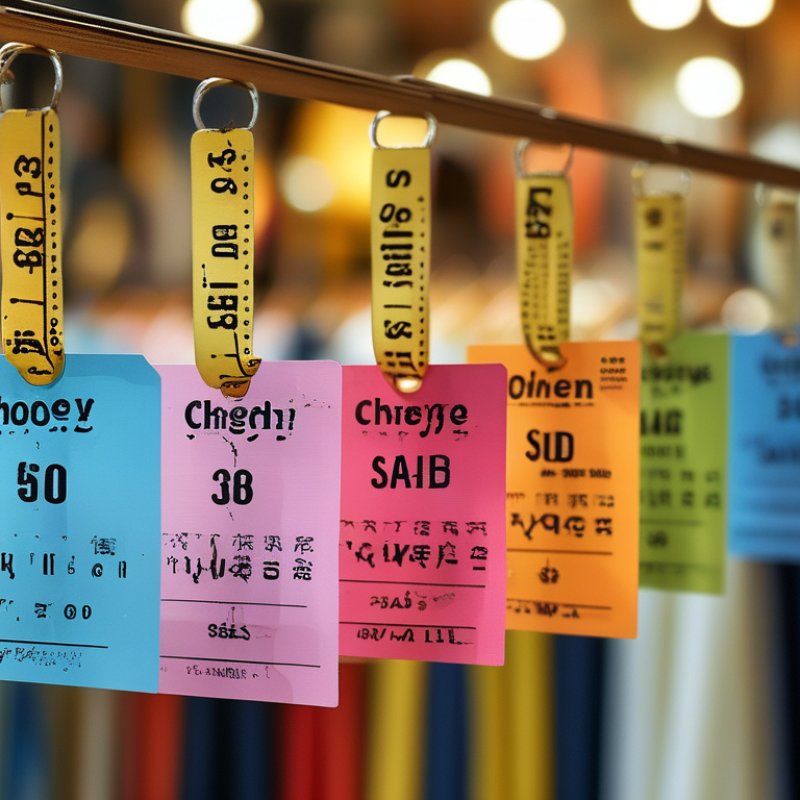
Understanding the Importance of Clothing Size Stickers
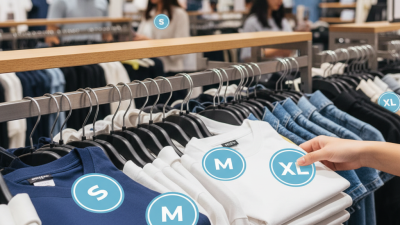
Choosing the right clothing size stickers is more than a simple task. Many underestimate their importance. These stickers act as a guide for shoppers. They provide clear information about sizes, ensuring better fit and comfort. Size discrepancies can lead to returns or unhappy customers. Therefore, understanding these stickers is crucial for both buyers and sellers.
When selecting size stickers, consider clarity and accuracy. Well-designed stickers display size clearly without ambiguity. They should align with industry standards, as size charts differ widely. Inaccurately labeled sizes can create confusion. Also, consider durability. Stickers must withstand wear but remain easy to read. Customers need to trust these labels to feel confident in their purchases.
Reflecting on the design process is valuable. Not all stickers will meet expectations. Some may fade or peel off. Others might confuse rather than inform. Gathering feedback is vital. It helps improve the size labeling system. A reliable sticker can enhance shopping experiences significantly. Thoughtful monitoring of these details can lead to better decisions in the long run.
Factors to Consider When Choosing Clothing Size Stickers
Choosing the right clothing size stickers involves critical factors.
Accuracy is vital. Reports show that over
70% of consumers experience fit issues. If size stickers are wrong, it leads to returns.
In 2022, the fashion industry faced a staggering
$600 billion loss due to returns linked to sizing errors.
Accurate size stickers help minimize these discrepancies.
Material is another key consideration. Vinyl or paper stickers serve different purposes.
Vinyl is often more durable and suited for long-term use. Paper, however, might be cheaper but can wear away quickly.
Brands need to ensure durability without compromising cost-effectiveness.
Additionally, the size of the stickers matters. Too large stickers can make garments appear unprofessional.
Stickers should be visible but subtle enough to maintain aesthetic appeal.
Incorporating clear labeling is essential. Consumers appreciate labels that provide detailed sizing information.
Many prefer visual aids over text-only descriptions. Reports indicate that 45% of consumers rely on imagery for size understanding.
So, designs should be intuitive and easy to read.
Businesses need to reflect on their choices
and adapt based on consumer feedback. This dynamic approach fosters trust and encourages repeat purchases.
Types of Materials Used in Clothing Size Stickers
When selecting clothing size stickers, the material used plays a crucial role. Different materials can affect the sticker's durability, adhesion, and appearance. Common choices include paper and vinyl. Each has its pros and cons, which can impact the overall effectiveness of the stickers.
Paper stickers are often less expensive and easier to print. They are suitable for short-term use, such as sales events. However, they may not withstand moisture or frequent handling. On the other hand, vinyl stickers are more durable. They are resistant to water and other elements. This added longevity makes them ideal for long-lasting applications.
Choosing the right material means considering your specific needs. If your product will be displayed outdoors, vinyl is likely the better choice. Yet, for indoor items or temporary sales, paper could suffice. Weighing these aspects ensures better decision-making. Still, it can be difficult to predict how well a material will hold up over time. Reflecting on past experiences can guide future choices, but there's always room for improvement.
Design Features to Look for in Size Stickers
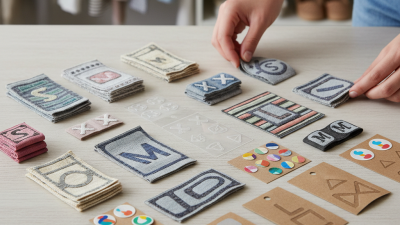
When selecting clothing size stickers, design features are vital. Stickers should be clear and easy to read. A study by the Apparel Marketing Association shows that 70% of consumers prefer size stickers with bold fonts. This enhances visibility and reduces confusion during shopping.
Colors play a significant role in sticker effectiveness. Research indicates that high-contrast colors improve readability by 25%. Stickers should also be durable and resistant to wear, as a flimsy sticker can lead to inaccurate size representation. Many users find stickers that fall off frequently frustrate them, leading to poor purchasing decisions.
It's essential to consider the format of the size stickers. Standardized sizing can be beneficial but is often overlooked. A report from the Textile Research Journal highlights that discrepancies in sizing can lead to a 30% return rate in online clothing sales. Stickers that provide guidance for both men and women increase consumer trust and satisfaction. Some users may still struggle with the provided information, reflecting the need for a balance between simplicity and detail.
Best Practices for Applying Clothing Size Stickers
When applying clothing size stickers, precision is key. The sticker should clearly show size and fit information. Research indicates that 70% of consumers say size discrepancies lead to returns. Accurate labeling helps reduce this rate significantly. Use a clear font and contrasting colors for visibility. This ensures consumers easily read the size without confusion.
Placement of the sticker is equally important. Ideally, it should be on the inside of the garment. This protects it from wear and tear. A study showed that 85% of buyers prefer size information inside. However, many brands overlook this aspect. Misplacement often leads to confusion during purchase, impacting customer satisfaction.
It's vital to regularly review size data. Sizes can vary greatly among different demographics. A report from the Fashion Institute notes that 30% of consumers wear a size different than expected. Marketers should stay updated on these changes. This constant evaluation ensures relevancy in the fast-paced fashion industry.
Essential Tips for Choosing Clothing Size Stickers
| Tip |
Description |
Best Practice |
| Know Your Audience |
Understand the demographics of your customers to choose size ranges that fit their needs. |
Conduct surveys to gather size preferences. |
| Select Appropriate Material |
Choose a durable and flexible adhesive that can withstand washing and handling. |
Test stickers on various fabric types to ensure longevity. |
| Clear Visibility |
Ensure that size stickers are easily readable from a distance. |
Use contrasting colors for text and background. |
| Size Standards |
Refer to international or local sizing standards when labeling. |
Regularly update size charts according to industry standards. |
| Test Application |
Test how the stickers adhere and whether they stay in place after multiple washes. |
Conduct wear-tests to see how they hold up in real-life scenarios. |