Top 10 Blank Label Rolls for Your Business Needs?
In today's fast-paced business world, the choice of materials can shape operational efficiency. One critical material is "Blank Label Rolls." According to John Harper, a leading expert in labeling solutions, “Choosing the right blank label rolls can significantly impact your inventory management.” His insight underscores the importance of this seemingly simple item.
Businesses often overlook the significance of quality blank label rolls. Many times, companies select the cheapest option. This decision can backfire, leading to label jams, misprints, or even data loss. Each mistake affects productivity and can harm customer trust. It is essential to consider factors like adhesive quality and print compatibility.
Recognizing the variety available can be overwhelming. Different industries have unique requirements, demanding labels that withstand various conditions. Businesses should reflect on their needs and do thorough research. Customization and quality matter most. Investing time in understanding blank label rolls will pay off in the long run.
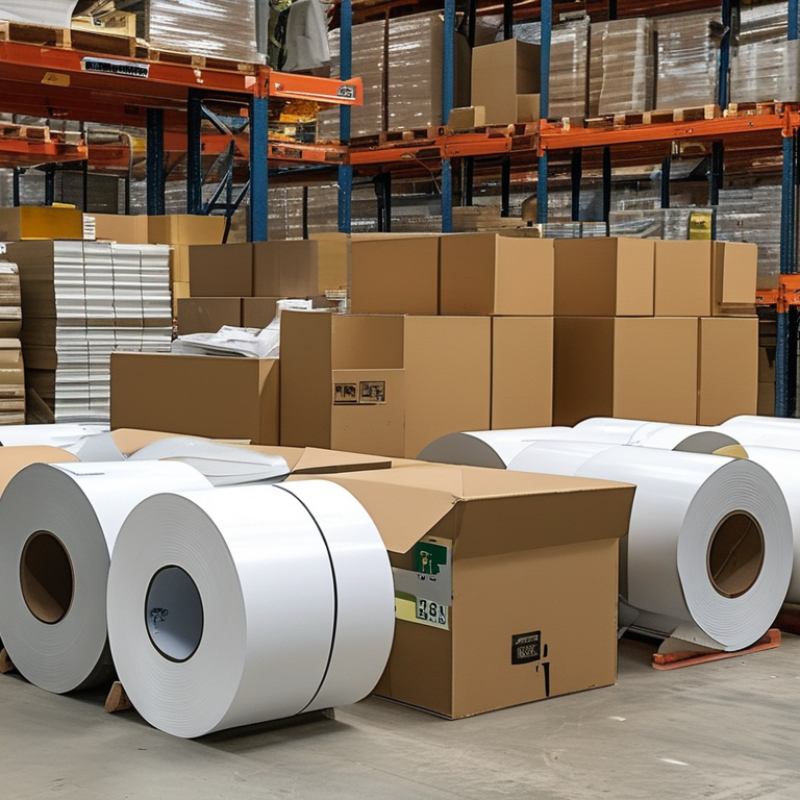
Understanding the Importance of Blank Label Rolls for Businesses
Blank label rolls play a crucial role in the operational efficiency of many businesses. According to a report by Packaging Strategies, over 50% of manufacturers indicate that label accuracy directly impacts their inventory management. This highlights the need for quality blank label rolls in streamlining product identification and reducing errors.
In sectors like logistics and retail, the demand for customizable blank labels is growing rapidly. Research from Smithers Pira notes a projected increase of 4.5% annually in the self-adhesive label market. Many businesses continue to overlook how essential tailored labels are to branding and regulatory compliance. Missing out on appropriate labels can lead to costly mistakes, such as mislabeling shipments or failing to meet safety standards.
Choosing the right blank labels can be overwhelming. The variety of materials and adhesive technologies can complicate decisions. Business owners must reflect on their specific needs. Not all blank label rolls are created equal; mismatched labels can hamper productivity. A balance between cost and quality is necessary, but it requires careful consideration.
Key Features to Consider When Choosing Blank Label Rolls
When selecting blank label rolls for business, key features play a significant role. Consider material type first. There are many options, like paper or synthetic. Each has different durability and adhesive qualities. Paper labels are cost-effective but less resistant to moisture. Synthetic materials, however, offer better longevity.
Next, examine the adhesive properties. Some labels require strong adhesion for rough surfaces. Others may need to be removable. Understanding your application helps you choose wisely. Consider the environment too. Labels exposed to heat, cold, or chemicals need specific materials.
Another factor is the print quality. Ensure the label rolls are compatible with your printer. The resolution can affect the overall appearance of your labels. Low-quality labels can cause smudging or fading. It's essential to test various options. This trial-and-error method helps refine your selection. Don’t overlook the importance of size, as it impacts space and design. Every detail counts in creating effective labels.
Top 10 Blank Label Rolls for Your Business Needs
Top 10 Recommended Blank Label Rolls for Various Uses
When selecting blank label rolls for your business, it’s essential to consider functionality and versatility. Blank labels are used in various industries, from shipping to retail. Depending on your specific needs, you might prioritize factors like adhesive strength and durability. For instance, heavy-duty labels are ideal for outdoor use, while paper labels may suit indoor applications better.
Another critical aspect is the label size and shape. Different applications require different dimensions. Custom sizes might be necessary for unique items. In terms of finishes, glossy labels enhance visibility, while matte labels lend a more professional appearance. Remember, quality matters. Subpar materials can lead to smudging and tearing, which impacts your business's image.
Choosing the right label rolls can also pose challenges. Inventory management can become complex. Various uses mean the need for multiple types. Balancing cost with quality is not always straightforward. Regular evaluation of your labels can ensure they meet evolving needs. Keep an open mind to feedback from users to refine your label choices continually.
Top 10 Recommended Blank Label Rolls for Various Uses
| Label Type |
Dimensions |
Material |
Adhesive Type |
Best Use |
| Direct Thermal |
2" x 1" |
Paper |
Permanent |
Shipping Labels |
| Matte Finish |
3" x 2" |
Vinyl |
Removable |
Product Labelling |
| Glossy Finish |
4" x 6" |
Polyester |
Permanent |
Logistics |
| Waterproof |
1.5" x 1.5" |
Polypropylene |
Strong |
Outdoor Use |
| High-Temperature |
2" x 4" |
Polyester |
Permanent |
Electrical Components |
| Fluorescent |
3" x 5" |
Paper |
Permanent |
Warnings or Alerts |
| Eco-Friendly |
2" x 3" |
Recycled Paper |
Removable |
Sustainability Labels |
| Security |
3" x 4" |
Tamper-Proof |
Permanent |
Anti-Counterfeiting |
| Mini Labels |
1" x 1" |
Paper |
Removable |
Pricing Stickers |
| Shipping Labels |
4" x 6" |
Synthetic |
Strong |
Parcel Delivery |
Comparative Analysis of Different Materials Used in Blank Labels
When selecting blank label rolls for business, material matters significantly. Common materials include paper, polyester, and vinyl. Each has its pros and cons. Paper is cost-effective and suitable for indoor use, but it’s less durable. Polyester is more robust and water-resistant, making it ideal for various environments. Vinyl offers exceptional durability but can be pricier. Assess your specific needs to choose wisely.
Adhesive properties also vary by material. Some labels stick better to textured surfaces while others may peel off easily. Understanding these nuances is essential for effective labeling. Printing quality is another factor to consider. Some materials absorb ink better than others, affecting clarity. This can lead to wasted time and resources if not addressed.
Testing label performance in your unique setting is crucial. Consider labeling typical products and environments before committing. It's insightful to see how each material holds up in real conditions. Feedback from users can help refine your choices. Always remember, your labels represent your brand. Investing time in selecting the right material can lead to significant long-term benefits.
Tips for Ordering and Using Blank Label Rolls Effectively
When it comes to selecting blank label rolls for business use, understanding how to order and utilize them effectively is crucial. Research indicates that over 80% of businesses rely on labeling for brand recognition and inventory management. However, many struggle with making the right choice. Inadequate research can lead to wasted resources and inefficient operations.
Tips for ordering blank label rolls include assessing your specific needs. Consider your printer type, label size, and material. For instance, thermal transfer labels might require specific materials suited for longevity and adhesion. Businesses often overlook the importance of testing samples before making larger orders. This ensures compatibility with existing systems and avoids costly mistakes.
Additionally, effective use of blank label rolls involves routine audits. Regularly check inventory to avoid shortages or mismatched sizes. This small step can enhance productivity and reduce waste. Using a systematic approach in label application, like consistent placement and layout, can greatly improve visual appeal. Remember, the quality of labels is just as vital as the information printed on them. Proper evaluation can save time and reduce errors down the line.