Why Choose Blank Label Rolls for Your Business Needs?
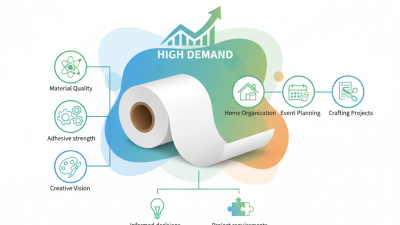
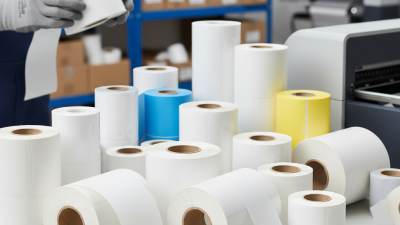
Blank Label Rolls can significantly enhance your business operations. They offer versatility and convenience. Many industries rely on these labels for inventory management, shipping, and product labeling. Their blank surface allows for customization. Businesses can print their own designs as needed.
Using Blank Label Rolls supports efficiency. You can easily generate labels in-house, reducing turnaround times. Moreover, they allow for on-demand printing. This flexibility can help adapt to changing needs. However, not all businesses utilize them effectively. Some face challenges in selecting the right size and material.
The quality of Blank Label Rolls can vary. Selecting a trusted supplier is crucial for consistent performance. Research and testing are essential. Understanding your specific needs can prevent waste and frustration. In conclusion, embracing Blank Label Rolls can drive your business forward, but careful consideration matters.

Why Blank Label Rolls Offer Customization Benefits for Your Business
Blank label rolls provide significant advantages for businesses seeking customization. According to a report by Smithers Pira, the label market is expected to reach $53.2 billion by 2024, driven by demand for personalized packaging. Customization can enhance brand identity and improve customer engagement. Labels are not just practical; they can communicate a brand’s story. Making them unique helps stand out in a crowded marketplace.
The flexibility of blank label rolls allows businesses to print specific information as needed. This reduces waste. It also enables quick adaptation to changing market demands. A study by Transparency Market Research indicates that customizable labels can increase sales by up to 30%. Companies can produce targeted promotions or seasonal offers easily. However, not all businesses may leverage these opportunities effectively, indicating a need for better strategy development.
Customization is often seen as a luxury, but it can also be a necessity. Real-time printing capabilities empower small businesses to compete with larger firms. However, organizations must ensure quality and consistency in their label production. Poor design or printing flaws can hurt a brand's image. Investing in the right technology and understanding customer needs will lead to better outcomes.
Customizability of Blank Label Rolls for Business Needs
The Cost-Effectiveness of Blank Label Rolls in High-Volume Printing
When it comes to high-volume printing, blank label rolls offer notable cost-effectiveness. Unlike pre-printed labels, they can be customized on-demand. This flexibility allows businesses to adapt quickly to changing requirements without incurring high costs. The savings can be significant, especially for companies that print large batches regularly.
Consider this: reducing label waste can boost overall savings. When you print only what you need, you can minimize leftover stock. This is crucial for businesses that might face fluctuating demands. Also, keeping label designs simple can further cut costs, revealing that minimalism sometimes yields significant advantages.
Tip: Always test a small batch before committing to a larger print run. Experiment with different materials and adhesive types. You might discover that a different label style works better, saving both time and resources. Additionally, maintaining a good printer can prevent costly errors during production. Regular updates and maintenance might feel tedious but they ensure efficiency and reliability in your operations.
Industry Trends in Labeling: The Shift Towards Blank Label Solutions
The labeling industry is evolving rapidly. Many businesses are moving towards blank label solutions. This trend allows for flexibility in design and application. Companies can customize labels in real time. It reduces pre-printed inventory costs. Organizations can adapt their labels without being tied to a fixed design.
The rise of digital printing technology has fueled this shift. Businesses can print labels on demand, reducing waste and improving efficiency. For example, a manufacturer can quickly create a new label design to match a product update. This adaptability is crucial in today’s fast-paced market. However, businesses must consider the quality of their label materials. Not all blanks are created equal, and selecting the right ones can be challenging.
While the advantages are clear, there are considerations. Some companies may struggle with the initial investment in printing technology. Others may find it hard to develop a design workflow. These hurdles can be overcome with the right planning and resources. Adopting blank label rolls is about making informed decisions and understanding business needs.
The Environmental Impact of Choosing Sustainable Blank Label Rolls
The environmental impact of choosing sustainable blank label rolls is significant. With the global shift towards sustainability, businesses recognize the importance of eco-friendly materials. Reports indicate that approximately 70% of consumers prefer products packaged with sustainable labels. These preferences push brands to adopt greener alternatives.
Sustainable label rolls often use recycled paper and biodegradable inks. This reduces waste in landfills and minimizes carbon footprints. According to the Paper and Packaging Board, recycling one ton of paper can save over 17 trees and reduce greenhouse gas emissions by nearly 4,000 pounds. Many companies overlook these positive outcomes, focusing instead on immediate cost savings. However, choosing sustainable options can lead to long-term benefits.
In the labeling industry, the choice of materials matters. While eco-friendly options may have a slightly higher upfront cost, they often enhance brand reputation. Customers appreciate companies that prioritize the environment. Industry surveys show that brands perceived as sustainable can experience up to a 20% increase in customer loyalty. Yet, some businesses hesitate, fearing that sustainable materials may compromise quality. The truth is, advancements in technology have produced label rolls that are both durable and environmentally friendly. Embracing these innovations is critical for forward-thinking companies.
How Blank Label Rolls Enhance Operational Efficiency Across Various Sectors
In diverse industries, operational efficiency is paramount. Blank label rolls cater to various business needs, enhancing productivity and accuracy. These labels offer flexibility, allowing businesses to customize their printing on-demand. This adaptability is crucial in fast-paced environments like retail and manufacturing.
Consider a warehouse setting. Staff can quickly print and apply labels for inventory management. This process minimizes errors and saves time. However, without a reliable printer, the benefits diminish. Businesses should consider the quality of their equipment to maximize the effectiveness of blank label rolls.
Moreover, using blank labels invites creativity. Companies can design unique labels that stand out. Yet, this freedom can lead to inconsistent branding if not managed properly. It's essential for teams to maintain a unified style to avoid confusion. Balancing efficiency and consistency can be challenging. Regular assessments of labeling practices can help refine and improve outcomes.
Why Choose Blank Label Rolls for Your Business Needs? - How Blank Label Rolls Enhance Operational Efficiency Across Various Sectors
| Sector |
Operational Efficiency Improvement |
Cost Reduction Percentage (%) |
Common Uses |
| Retail |
Streamlined inventory management |
15% |
Barcode labels, price tags |
| Logistics |
Enhanced tracking and shipping processes |
20% |
Shipping labels, tracking tags |
| Manufacturing |
Improved process automation |
18% |
Product labels, compliance tags |
| Healthcare |
Accurate patient and medication identification |
10% |
Patient wristbands, medicine labels |
| Food & Beverage |
Improved compliance with food labeling regulations |
12% |
Nutrition labels, ingredient tags |