How to Find the Best China Eggshell Label Supplier?
Finding the right China Eggshell Label supplier requires more than comparing prices on a marketplace. An Eggshell Label must resist tampering, remain readable, and adhere securely to the intended surface. Its performance depends on the substrate, adhesive, ink, coating, and application conditions. Small differences matter.
Experienced buyers should request material specifications, production samples, and clear tolerance information. Test samples on real packaging, not only on smooth laboratory sheets. Check whether the label tears as expected and leaves visible evidence after removal. Ask about adhesive aging, storage conditions, printing accuracy, and batch consistency. A reliable supplier should explain these details without avoiding difficult questions.
Supplier verification also deserves practical attention. Review factory photographs, quality certificates, export experience, and traceable inspection records. When possible, arrange a video audit or an independent pre-shipment inspection. Confirm packaging methods, lead times, replacement policies, and communication responsibilities in writing. Compliance requirements may differ by market, so consult qualified specialists for your destination country. Do not rely on vague promises.
No supplier is perfect. A low quotation may hide weak materials, while an expensive quote may include unnecessary services. Compare samples, test results, production controls, and total landed cost together. I have found that clear specifications prevent more problems than urgent negotiations. Still, specifications can be incomplete. Recheck them before mass production. The best partnership develops through evidence, honest discussion, and consistent delivery—not attractive claims alone.
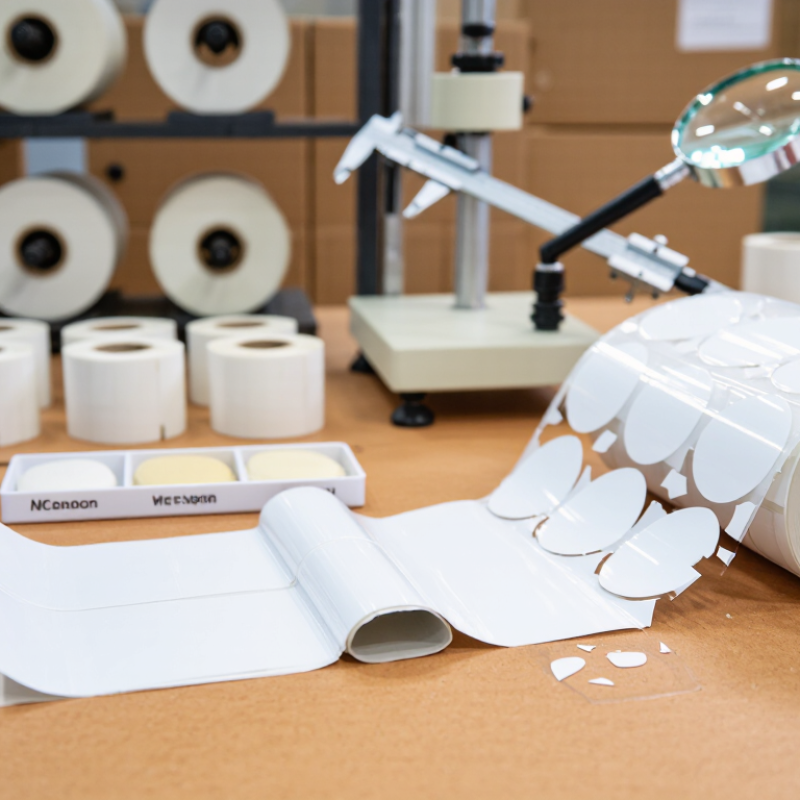
Understanding China Eggshell Labels and Their Applications
How to Find the Best China Eggshell Label Supplier?
Understanding China eggshell labels begins with their real use. These small stickers identify eggs without covering the shell completely. They may show farm information, grading details, packing dates, or traceability codes. Some also support seasonal promotions. The label must remain readable during refrigeration, transport, and retail display. Moisture is a serious test.
Food contact safety matters. A reliable supplier should explain the label material, adhesive properties, and ink performance clearly. Ask for test reports and production samples. Check whether the adhesive leaves residue or damages the shell. I have found that sample testing often reveals problems that product photos hide. A label can look excellent, yet peel after one cold storage cycle.
Applications vary by packing method. Manual packing may need easy-peel labels with consistent size. Automated lines require accurate cutting and stable release paper. For printed codes, scanability should be tested under uneven lighting. Suppliers in China may offer custom shapes, colors, and variable data printing. Still, customization can increase waste and inspection time. This point is easy to overlook. Compare minimum order quantities, lead times, packaging protection, and quality-control records before choosing. A small pilot order is safer than trusting a polished quotation. Eggs have curved, porous surfaces, so one design may not suit every market or handling condition.
Defining Your Product Requirements and Supplier Criteria
How to Find the Best China Eggshell Label Supplier?
Defining your product requirements should come before contacting any China eggshell label supplier. Describe the label’s exact size, shape, and application surface. Eggshell packaging may face moisture, refrigeration, friction, or uneven curves. Specify the material, adhesive strength, printing method, colors, and finish. A matte surface may improve readability, while gloss can create reflections under store lighting. Include artwork files and acceptable color variation. Small details matter.
Think about production conditions, too. Ask whether the label must withstand cold storage or light condensation. Confirm roll direction, core size, packing method, and estimated monthly volume. Request samples made with the same material and adhesive. A digital proof is useful, but it cannot reveal peeling or ink resistance. That mistake is easy to make.
Tips: Prepare a one-page requirement sheet. List target dimensions, application temperature, storage conditions, quantity, and inspection standards. Ask suppliers for material data, quality records, and recent sample photos. Compare their answers, not only their prices. A reliable supplier should explain limitations clearly. Vague promises deserve another question. Check whether production samples match approved samples. You may also request a small trial order before scaling up. It costs more time, but it exposes weak adhesion, blurred text, or inconsistent cutting early. Allow room for revision; your first specification may be incomplete.
Evaluating Supplier Quality, Technology, and Certifications
Finding the best China eggshell label supplier starts with physical testing, not attractive samples.
Request labels printed on the same eggshell surface and stored under realistic humidity. Check adhesion after refrigeration, handling, and gentle rubbing. The label should stay flat without lifting at the edges. Ask for samples with fine text, barcodes, and strong color contrast. Small defects become obvious then.
Technology reveals how consistently a supplier can reproduce quality.
Inspect print registration, ink coverage, cutting accuracy, and variable-code readability. Modern digital or flexographic equipment can support detailed designs, but equipment age is not the only issue. Ask about calibration records, inline inspection, and rejected-batch procedures. A useful supplier should explain its process clearly, including how it controls dust, moisture, and adhesive variation. I would also request a pilot order. A large production promise may hide weak consistency.
Certifications deserve careful checking.
Confirm the certificate number, issuing body, validity period, and covered factory location. ISO 9001 can indicate organized quality management, but it does not guarantee perfect eggshell label performance. For food-related applications, request current material safety documents and test reports relevant to your target market. Traceable raw materials, documented batch records, and corrective-action reports strengthen supplier reliability. Some factories provide impressive paperwork yet answer technical questions vaguely. That is a warning sign. I once trusted a clean sample too quickly; production results differed slightly. A second inspection would have exposed the problem earlier.
Verifying Samples, Communication, and Long-Term Reliability
Finding a dependable China eggshell label supplier requires more than comparing online prices. Begin with physical samples. Ask for several batches, not one polished piece. Check edge trimming, adhesive coverage, print sharpness, and shell-safe application. Rub the label gently after chilling and warming the egg. Record what changes. A sample can look excellent while hiding inconsistent production.
Tips: Request samples from different production dates. Ask for material specifications, adhesive information, color tolerances, and inspection photos. Keep written records of revisions. If the supplier avoids simple questions, treat that as useful evidence. Communication should be tested before ordering. Send a short specification sheet with dimensions, artwork files, packing requirements, and delivery expectations. Notice whether replies are precise or merely friendly. Clear answers matter more than fast answers.
Long-term reliability appears in small routines. A professional supplier should confirm approvals, report defects, and explain delays early. Ask how they handle rejected rolls, replacement quantities, and production changes. Request a realistic trial order before discussing larger volumes. Payment terms matter, but dependable records matter more. Review invoices, packing lists, inspection reports, and response times. My own mistake was trusting a confident promise without checking batch consistency. That lesson still matters: reliability must be observed repeatedly, not assumed from one successful shipment.
How to Find the Best China Eggshell Label Supplier?
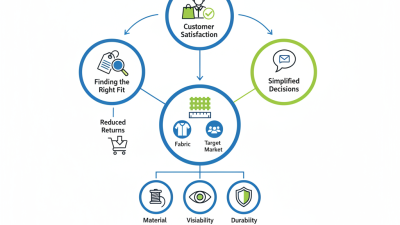
A practical supplier evaluation model based on sample verification, communication quality, and long-term reliability.
The evaluation gives the greatest weight to verified samples because print quality, adhesive performance, color accuracy, and application results should be confirmed before placing a large order. Communication and long-term reliability are also essential for stable production, accurate delivery, and consistent quality.