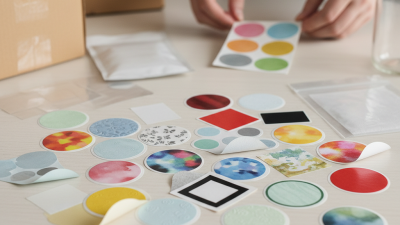
Choosing the right China package stickers manufacturer and supplier can shape how customers remember your product. A well-made label does more than display a logo. It protects brand details, supports clear product information, and adds confidence when the package reaches a buyer’s hands.
Experienced suppliers usually understand materials, adhesives, printing methods, and finishing options. They can recommend paper, film, kraft, or waterproof stocks for different packaging surfaces. A food box, glass jar, shipping carton, and cosmetic bottle may need different adhesive performance. Small details matter. A curled corner or faded barcode can damage an otherwise careful presentation.
Reliable Package Stickers production begins with a clear specification. Buyers should review artwork accuracy, color control, sample approval, adhesive testing, packing methods, and delivery records. Ask for practical evidence, such as factory photos, quality procedures, relevant certifications, and customer references. Claims alone are not enough. Verify them.
A professional supplier should also communicate openly about lead times, minimum quantities, material limits, and possible printing variation. No supplier is perfect. Even experienced teams can face color differences between batches or delays during peak seasons. Honest discussion makes these risks easier to manage. It also helps prevent expensive reprints.
This guide explores how to evaluate China’s best package stickers manufacturers and suppliers. It focuses on product quality, customization, production experience, communication, and dependable service. The best choice may not be the cheapest quotation. It is the supplier that consistently delivers suitable stickers, accurate information, and practical support for your packaging goals.
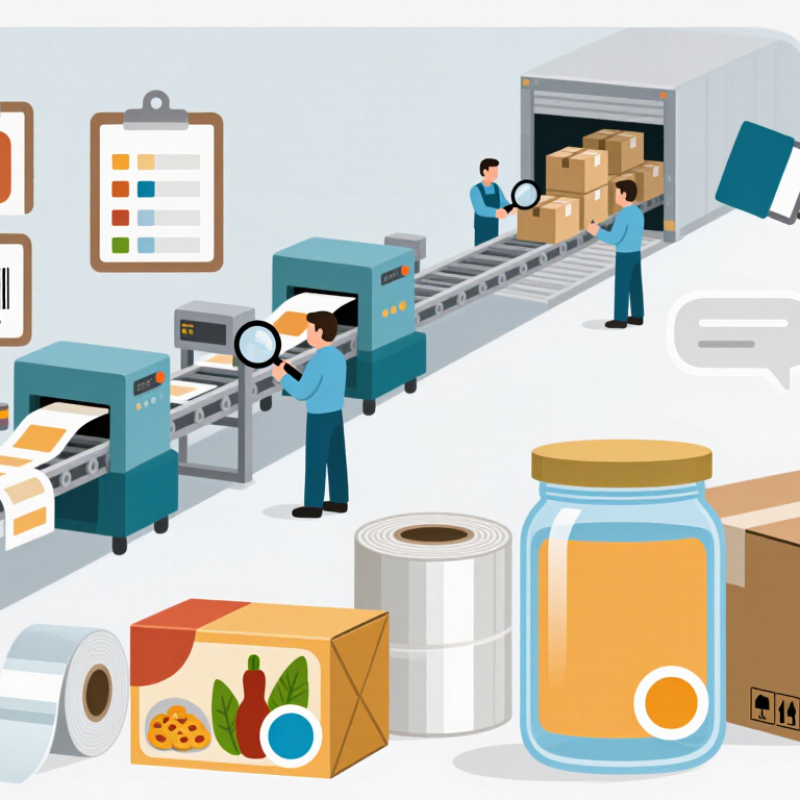
Package stickers are adhesive labels placed on cartons, pouches, bottles, and shipping boxes. They can show product names, quantities, handling instructions, barcodes, batch details, or promotional messages. Their job is practical, not merely decorative. In warehouses, a clear barcode can reduce manual checking and support faster stock movement. On retail packaging, color, texture, and placement can influence first impressions.
Grand View Research estimated the global labels market at about US$47.8 billion in 2023. Its analysis also projects a 5.7% compound annual growth rate through 2030. This growth reflects rising e-commerce shipments, product variety, and demand for traceability. In production, sticker performance depends on the surface, temperature, moisture, and application speed. A paper sticker may suit a dry carton, but a synthetic label often performs better on chilled or humid packaging. A glossy finish looks attractive. However, glare can weaken barcode scanning under warehouse lights. That detail is easy to overlook.
Tips: Confirm the package material before choosing adhesive. Test stickers on real cartons, not only samples. Check barcode readability after rubbing, bending, and exposure to moisture. Also, leave quiet space around important information. Crowded designs create avoidable errors, and even experienced suppliers sometimes approve them too quickly.
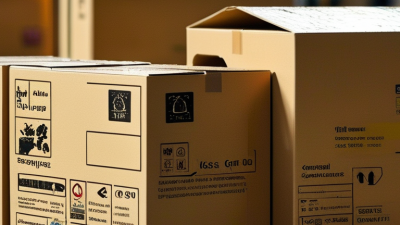
China’s packaging sticker industry makes many formats for different products and shipping conditions.
Roll stickers suit automated filling lines and high-volume packaging.
Sheet stickers work well for small batches, samples, and manual application.
Die-cut stickers add custom shapes for jars, boxes, mailers, and gift packaging.
Clear stickers create a printed-on-glass effect, while white adhesive labels offer stronger contrast on colored surfaces.
Material selection depends on the package, not only the design. Paper stickers feel natural and print sharply for dry products. Waterproof synthetic films resist moisture, oil, and repeated handling. Removable adhesive helps temporary labels come off more cleanly. Strong permanent adhesive suits cartons and smooth plastic containers. Chinese factories also provide matte, glossy, metallic, textured, and spot-gloss finishes. Embossing can add a tactile detail, but it may increase production time.
In practical quality checks, I compare color samples under consistent light. I also test peeling, rubbing, moisture exposure, and edge lifting. Small details matter. A beautiful label can still fail if its adhesive does not match the package surface. One point is easy to underestimate: recycled paper and rough cardboard may require different adhesive strength. Some low-cost samples look acceptable at first, but their corners curl after storage. Careful sampling, clear artwork files, and a written inspection standard make Chinese-made package stickers more reliable.
How Are Package Stickers Designed and Manufactured?
Package stickers begin with a practical design brief. It defines the product surface, label size, colors, text, and expected handling conditions. Designers also check whether the sticker will face moisture, sunlight, cold storage, or repeated friction. A beautiful label can still fail if its adhesive cannot grip glass, cardboard, or flexible film.
The manufacturing process usually starts with artwork inspection and digital proofing. Operators check color balance, spelling, barcode clarity, and cutting lines before production. The selected paper or film is printed using suitable inks and controlled pressure. After printing, protective coatings may improve resistance to water and scratches. Cutting machines then create the required shape, while inspection staff remove labels with stains, bubbles, or weak edges. Samples should be tested on the actual package, not only on a smooth laboratory sheet.
Reliable package sticker suppliers in China normally combine production records, material certificates, and batch inspections. Clear communication matters because small changes can affect cost and performance. In real projects, the first sample is rarely perfect. A color may appear darker than expected, or the corners may lift after refrigeration. That is useful feedback, not a reason to rush. Suppliers should record these issues, adjust the process, and send another sample for approval. Careful review protects both the package and the final customer experience.
A reliable Chinese sticker supplier should prove quality before discussing price. Grand View Research reported that the global self-adhesive labels market reached about USD 51 billion in 2023. This scale increases buyer choice, but also increases quality risks. Request ISO 9001 certification, documented inspection procedures, and batch-level traceability. Every roll should show material, adhesive type, production date, and inspection results.
Material testing must match the package environment. Ask for peel adhesion, loop tack, shear resistance, and aging data. Samples should remain attached after refrigeration, moisture exposure, and gentle abrasion. For food-contact packaging, require suitable compliance documents and migration testing from qualified laboratories. FSC-certified paper may support responsible sourcing, while ISO 14001 can indicate structured environmental management. However, certificates alone prove little. Verify certificate numbers and issuing bodies.
Production experience matters. A dependable factory should control color through standardized references, not visual guesses. It should measure die-cut accuracy, liner release, print registration, and barcode readability. GS1 guidance emphasizes reliable barcode quality for scanning performance. Ask for inspection photos and a retained sample from each batch. A perfect sample is not enough. Real reliability appears during repeat orders, when humidity, rush schedules, or artwork changes expose weak controls. In my view, transparent corrective-action records are more convincing than polished sales claims. Suppliers should explain failures honestly, even when the explanation is uncomfortable.
Choosing the best package sticker manufacturer starts with the product, not the lowest quotation. Buyers should define the package material, surface texture, storage temperature, and expected handling conditions. A sticker for a chilled food container needs different adhesive performance from one used on a dry carton.
Experienced buyers should request physical samples before placing a large order. Test each sample on the actual package. Rub the printed surface, bend the container, and leave it in a humid area for several hours. Check whether edges lift, colors fade, or adhesive residue appears. Ask the manufacturer about paper, film, ink, adhesive types, and production tolerances. Clear technical answers usually indicate stronger process knowledge. However, confident promises are not enough.
Review the supplier’s quality controls, inspection records, and ability to repeat a sample accurately. Confirm artwork approval procedures, color references, roll direction, core size, and delivery protection. A dependable manufacturer should explain what happens when defects are found. Buyers may also request relevant testing reports and production photographs, while verifying that documents match the actual facility.
Small details matter.
Do not judge quality from one attractive sample. Some samples receive extra attention before shipping. A better approach is to order a controlled trial batch and inspect random rolls. Even careful buyers can overlook application speed or label storage conditions. That mistake is useful feedback. It shows where the supplier’s advice, testing, and communication still need improvement.
| Evaluation Dimension | Practical Benchmark for Buyers | Reliable Evidence to Request | Importance | Buyer Verification Method |
|---|---|---|---|---|
| Label Material | Select paper for dry indoor packaging and synthetic film such as BOPP or PET when moisture, oil, abrasion, or condensation resistance is required. | Material specification sheet stating face-stock type, thickness, finish, temperature range, and intended application. | High | Match the material to the package surface, storage conditions, transport environment, and expected product life. |
| Adhesive Performance | Permanent adhesive is generally suitable for standard product labels. Removable or repositionable adhesive is needed when clean removal is required. Adhesive selection must consider surface energy, temperature, humidity, and application speed. | Technical data sheet, recommended application temperature, service-temperature range, and peel or adhesion test results. | High | Test samples on the actual packaging material after application and storage under expected conditions. |
| Print Quality | Artwork should remain legible at the final label size. Fine text, barcodes, QR codes, and brand colors require controlled prepress, suitable resolution, and consistent ink coverage. | Production samples, color proofing process, barcode verification record, and stated print process such as flexographic, digital, or offset printing. | High | Inspect small text, color consistency, barcode scanning, registration accuracy, and resistance to rubbing or moisture. |
| Dimensional Accuracy | Finished labels should conform to the approved artwork and die-line, including width, height, corner radius, gap, winding direction, and core size. | Approved technical drawing, first-article sample, inspection report, and roll or sheet packing specification. | High | Measure samples with calibrated tools and confirm fit on the filling or labeling equipment. |
| Regulatory and Food-Contact Suitability | For food, cosmetic, pharmaceutical, or child-related packaging, materials and inks must be suitable for the destination market and intended contact conditions. Food-contact compliance depends on the complete label construction, not only the paper or film. | Applicable declarations of compliance, material composition, migration testing where required, ink information, and chemical-restriction statements. | High | Identify the destination country and product category before ordering, then have the documents reviewed by the importer or compliance team. |
| Environmental Requirements | Recyclability depends on the label material, adhesive, ink, coating, and the recycling process used in the destination market. Paper labels may be preferable for compatible fiber-based packaging, while film labels may be needed for moisture resistance. | Material composition, recycled-content information, FSC documentation when applicable, and recycling compatibility statement for the target packaging system. | Medium | Evaluate the complete package rather than treating the sticker as an isolated component. |
| Minimum Order Quantity | Digital printing is commonly more flexible for short or variable runs, while conventional printing can be more economical for larger repeat volumes. The best quantity depends on size, colors, finishing, and material. | Written quotation showing minimum order quantity, setup charges, plate or tooling charges, and price breaks by volume. | Medium | Compare the total landed cost at the planned annual volume instead of comparing only the unit price. |
| Sampling and Approval | A pre-production sample or digital proof should be approved before mass production. Physical samples are especially important for color, adhesive behavior, die-cutting, and machine application. | Sample approval procedure, revision-control method, retained sample policy, and written confirmation of approved specifications. | High | Approve a signed or digitally recorded reference sample and require production to follow the approved version. |
| Quality Control | A dependable process should control incoming materials, color, dimensions, adhesive defects, die-cutting, roll winding, quantity, and final packing. | Inspection checklist, sampling plan, defect classification, calibration records, and batch traceability information. | High | Request a batch inspection report and verify random samples before shipment or through an independent inspection service. |
| Lead Time and Supply Capacity | Lead time should be divided into artwork approval, material preparation, printing, finishing, inspection, and delivery. Repeat orders may be faster when materials and specifications are standardized. | Production schedule, stated capacity, material availability, holiday planning, and written delivery terms. | High | Confirm the schedule in writing and allow additional time for sample approval, customs clearance, and unexpected rework. |
| Packaging and Shipping | Labels should be protected from moisture, dust, crushing, blocking, and deformation. Roll labels require correct winding direction, core size, outer diameter, and carton protection. | Packing photos, roll or sheet specifications, carton dimensions, pallet details, and shipping marks. | Medium | Confirm that the packing format is compatible with warehouse handling and automatic labeling equipment. |
| Communication and Documentation | The supplier should provide clear specifications, quotations, artwork feedback, production updates, inspection records, and corrective-action responses. | Written quotation, technical specification, order confirmation, change-control record, commercial invoice, and packing list. | High | Evaluate response accuracy and speed during the sample stage before committing to a large production order. |
| Total Landed Cost | The purchase decision should include label price, tooling, sampling, packaging, freight, customs duties, taxes, inspection, waste, and potential rework. | Itemized quotation with currency, trade term, shipping method, payment schedule, validity period, and any recurring charges. | High | Compare suppliers using the same material, dimensions, finish, quantity, delivery term, and quality requirements. |
Buyer guidance: The most suitable package sticker manufacturer is the supplier that consistently meets the required material, adhesive, print, compliance, quality, delivery, and total-cost requirements—not necessarily the supplier offering the lowest unit price.