2026 Best Package Stickers for Shipping and Branding
A shipping label tells a carrier where a parcel should go. Package Stickers can do something more: identify a brand, guide the unboxing experience, and make a plain mailer feel considered. The right choice depends on the job. A small kraft box may need a bold logo sticker, while a chilled product needs adhesive that stays put in damp conditions. Finish matters, too. Matte paper feels understated; glossy film catches light but can show fingerprints.
Packaging consultant Mara Ellis puts it this way: “A good package sticker earns its space by staying readable, useful, and true to the brand.” That is a useful test for any design. Before ordering, check the sticker’s size against a real package, not just a screen mockup. Test one on cardboard, then press the corners and handle the parcel. Small details show up fast.
This guide compares 2026 options for shipping and branding, from durable materials to practical shapes and print finishes. It also considers application speed, legibility, and how stickers look beside tape, labels, and other packaging. No sticker can rescue a confusing design. That is worth admitting. And a premium finish may be wasted on a label that gets covered during packing. Use these recommendations as a starting point, then test samples with your actual parcels. The best Package Stickers are not always the most elaborate. They are the ones that arrive intact and make the package feel unmistakably yours.
What Package Stickers Are and How They Support Shipping and Branding
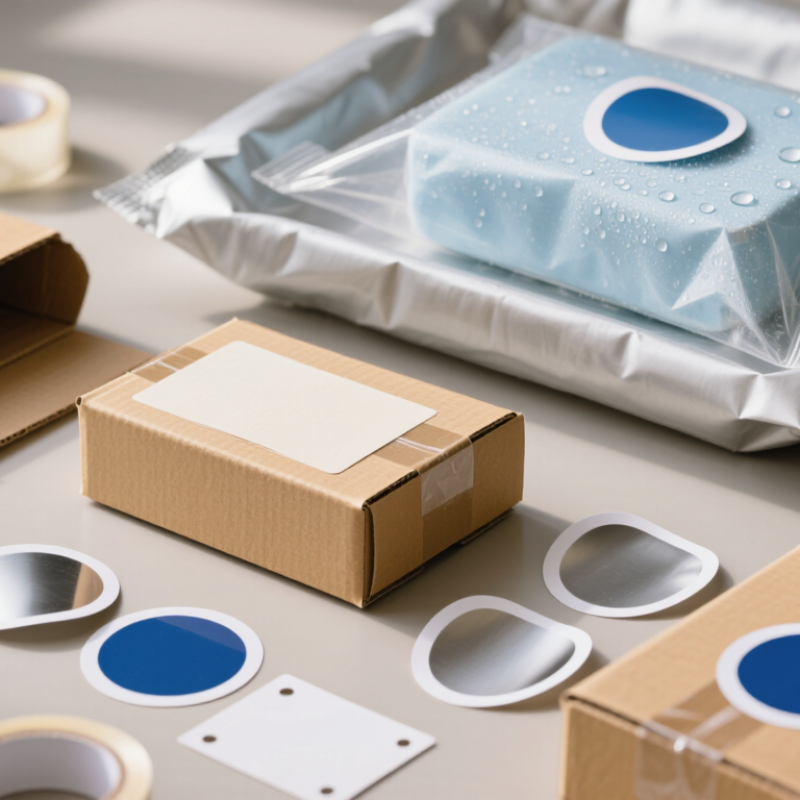
Package stickers are adhesive pieces applied to cartons, mailers, or product wrapping. They may show a logo, a handling message, a return instruction, or a simple color mark. They do not replace the carrier’s shipping label. Instead, they add information or identity around it. Small details matter.
For shipping, stickers can help staff spot parcels that need careful handling or quick routing. A clear “Fragile” message near a box edge is easier to notice than one hidden under tape. Keep stickers away from barcodes, address windows, and package seams. Test the adhesive on the actual surface, too. Recycled cardboard can be dusty or uneven, and some stickers lift during cold or damp transit. That is easy to overlook.
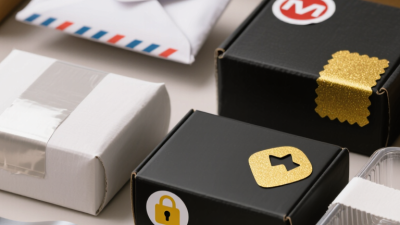
For branding, a consistent shape, color, and placement can make a plain mailer feel considered. A small seal across tissue paper may create a neat opening moment without covering useful package details. Use readable type and strong contrast; tiny lettering often disappears on a moving parcel. Materials deserve a closer look. A glossy finish can photograph well, yet show scratches after handling. Stickers support recognition, but they cannot fix unclear packaging or a poor delivery experience. Sometimes the simplest design is the one people remember.
Which Sticker Materials, Finishes, and Adhesives Suit Different Packages
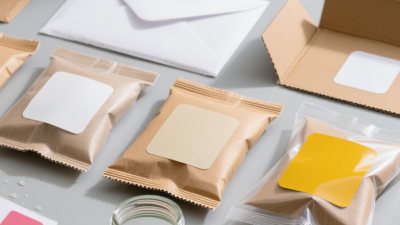
For corrugated shipping boxes, paper stickers suit dry, short journeys and give a natural, low-glare look. They can scuff when cartons rub together, though. For parcels exposed to rain, condensation, or rough handling, a thin film sticker is usually more resilient. Test it on the actual box; recycled cardboard can be dusty or uneven, which affects how well a sticker holds.
Finish changes both appearance and use. Matte surfaces reduce glare and make small text easier to read under warehouse lights. Gloss can make colors look sharper, but fingerprints show quickly. A clear sticker keeps the package visible beneath it, yet may disappear against pale or patterned packaging. Small details matter.
Adhesive choice depends on the package, too. A permanent adhesive is useful for sealed cartons, while a removable option suits reusable bins or temporary branding. Cold boxes and textured kraft paper need extra attention: apply a sample, press the edges down, then check it after a day. A polished sample can mislead. I would also leave space around folds and seams, where stickers often lift during transit.
2026 Best Package Stickers for Shipping and Branding
Compare common sticker constructions by their typical fit for corrugated cartons, poly mailers, and glass or rigid packages.
How to read this guide: Scores are qualitative selection ratings from 1 (less suitable) to 5 (more suitable), based on typical material and adhesive characteristics—not standardized test results. For poly mailers, a low-surface-energy adhesive is often a better choice than a general-purpose adhesive. Matte or gloss describes the finish; it does not determine adhesion. Surface coatings, temperature, moisture, and application conditions can affect performance.
How to Choose Stickers for Shipping Conditions and Package Types
2026 Best Package Stickers for Shipping and Branding
How to Choose Stickers for Shipping Conditions and Package Types
Choose stickers for the surface and journey, not just their appearance. Corrugated cartons have a rough, absorbent texture, so paper stickers may need a strong adhesive to stay flat. For plastic mailers, look for flexible material that won’t wrinkle as the package bends. Cold storage, rain, and long transit can also affect adhesion and print clarity. A label that looks secure indoors may lift at a damp loading dock.
Tips: Test a sample on the actual package. Press it down, then check the edges after a day, a temperature change, or light moisture. Small trials can prevent costly relabeling.
Match durability to handling. A small parcel that travels locally may not need the same abrasion resistance as a box passing through several sorting hubs. Film stickers often resist moisture and scuffing better than paper, though they can cost more and may be harder to recycle with some packaging. Consider where the sticker will sit, too: seams, dusty areas, and curved corners are less reliable. There is no perfect choice for every shipment. Record what works, and revisit it when package materials or shipping conditions change.
How Sticker Design Builds Brand Recognition Through Delivery
A shipping sticker often gets its few seconds of attention beside a front door, on a desk, or in a parcel-opening video. A clear color, readable mark, and short message help customers connect the delivery with the sender. Dotcom Distribution’s 2017 e-commerce packaging study found that 40% of surveyed consumers would share an image of unique or branded packaging on social media. A sticker cannot guarantee that moment. It can make the package more recognizable when it happens.
Consistency matters more than decoration. Lucidpress’s 2019 State of Brand Consistency report estimated that consistent brand presentation could increase revenue by up to 23%. For package stickers, that means repeating the same colors, logo placement, and tone across different box sizes. Keep essential shipping details unobstructed, and check that small text stays legible on corrugated cardboard. A matte sticker may feel understated; a glossy one can catch the light, but also show scuffs. Small details count. Still, a beautiful design may arrive wrinkled or peel in damp weather. Test stickers on actual cartons, through ordinary handling, before ordering a large run. I would also question whether every shipment needs the same message; a little restraint can feel more human.