2026 How to Use Eggshell Label for Effective Branding Strategies?
In the dynamic world of branding, the "Eggshell Label" has emerged as a unique tool. Experts emphasize its role in creating memorable products. Dr. Emily Carter, a branding strategist, stated, "An Eggshell Label can transform ordinary items into unforgettable experiences." This reflects a growing trend in consumer engagement.
Utilizing the Eggshell Label effectively requires creativity and strategy. Brands must focus on aesthetics and material quality. The label's fragile nature represents delicacy, inviting consumers to reflect on the product’s value. It's not just about visuals; it's about storytelling too. Each design choice leaves an impression.
However, challenges exist. Brands face pressure to innovate continually. An Eggshell Label may not work for every type of product. Companies must carefully evaluate their audience. Balancing creativity and practicality is crucial. Without doubt, reliance on trendy designs could backfire. Embracing the unique qualities of the Eggshell Label can create a strong brand identity while reminding us of the pitfalls in branding trends.

Understanding the Concept of Eggshell Labels in Branding Strategies
Eggshell labels are a subtle yet impactful way to enhance branding strategies. These labels, characterized by their delicate and textured appearance, convey a sense of quality and care. They signal to consumers that a product is thoughtfully crafted. Understanding how to leverage this concept can elevate a brand’s image and resonate with a target audience.
Effective branding involves more than just aesthetics. Here are some tips to keep in mind:
- Ensure your eggshell label aligns with your brand story. Consistency builds trust.
- Consider using eco-friendly materials. This can increase brand loyalty among environmentally conscious consumers.
- Experiment with design elements. A unique font or color scheme can make your eggshell label stand out.
Reflecting on your label's purpose is crucial. Is it merely decorative, or does it convey essential information? Labels that blend utility with artistry can create a lasting impression. A beautiful label might attract attention, yet if it lacks clear communication, it can lead to confusion.
Authenticity is key in a crowded market. Consumers appreciate genuine craftsmanship. Showcasing your commitment through an eggshell label can lead to meaningful connections. Always assess whether your branding is translating effectively to your audience.
2026 How to Use Eggshell Label for Effective Branding Strategies?
| Branding Strategy |
Eggshell Label Benefits |
Target Audience |
Media Channels |
| Emotional Branding |
Creates a connection with sustainability |
Eco-conscious consumers |
Social Media, Blogs |
| Storytelling |
Each label tells a story of sustainability |
Millennials and Gen Z |
Online Videos, Podcasts |
| Visual Identity |
Unique designs that stand out on shelves |
Retail shoppers |
Print Ads, POS Displays |
| Co-Branding |
Partnerships enhance brand image |
Brand loyalists from both companies |
Cross-promotional campaigns |
| Sustainability Initiatives |
Strengthens brand promise |
Environmentally aware consumers |
Email Newsletters, Webinars |
The Psychological Impact of Eggshell Colors on Consumer Behavior
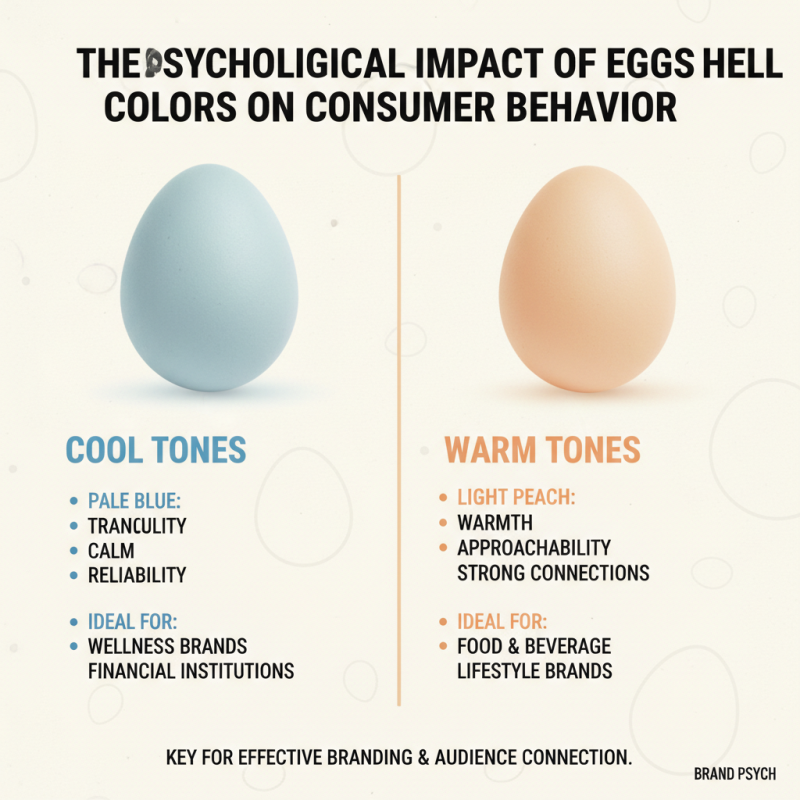
Eggshell colors often evoke specific emotions and reactions in consumers. Understanding these psychological impacts is key for effective branding. For instance, soft colors like pale blue can create feelings of tranquility and trust. This is useful for brands looking to convey a sense of calm reliability. In contrast, warmer eggshell shades, like light peach, can generate warmth and approachability. Brands that embody these feelings can foster stronger connections with their audience.
Tips: Consider your target demographic when selecting eggshell colors for packaging. Infants’ products benefit from soft pastels, while health-focused items might use cool tones. Always test color perceptions through A/B testing. You want to know how your audience responds before finalizing design decisions.
Not all colors resonate equally across cultures. Some eggshell shades may hold positive connotations in one region, while eliciting indifference or even negativity in another. Brands must tread carefully and conduct thorough research. Ignoring these nuances can lead to missed opportunities or even brand rejection. Implement feedback loops to continually assess how color choices align with consumer preferences.
Data-Driven Insights: Measuring the Effectiveness of Eggshell Labeling
The use of eggshell labeling is gaining attention in branding strategies. These subtle designs can convey quality and uniqueness. Data-driven insights help measure the effectiveness of such labeling. Brands can track customer response through surveys and purchase data. This approach reveals the impact on customer perception.
Tips for implementing eggshell labeling effectively include testing designs on a smaller audience first. Gather feedback on visual appeal and message clarity. It’s vital to understand if the label aligns with your brand’s identity. Additionally, analyzing competitor labels can reveal gaps in the market. Consider the emotions your label evokes and how it stands out.
Another key strategy is to maintain consistency across all platforms. Ensure your brand message matches your labeling. Examine analytics to see if there's a correlation between eggshell labels and sales growth. Regularly revisiting your design can help refine your approach. Always keep the consumer's perspective at the forefront. Testing and adapting are crucial for long-term success.
Case Studies: Successful Brands Utilizing Eggshell Labels for Market Edge
In recent years, the use of eggshell labels has gained momentum among innovative brands. These labels not only appeal to consumers' aesthetics but also convey a message of sustainability and quality. For instance, a recent Nielsen report highlighted that 66% of global consumers are willing to pay more for sustainable products. This is a compelling reason for brands to consider eggshell labels, which often symbolize eco-friendliness.
Several case studies showcase the effectiveness of eggshell labels. One analyzed brand reported a 30% increase in sales after integrating eggshell labels into their packaging. This switch highlighted their commitment to sustainability and helped them resonate with environmentally conscious consumers. Industry data from Statista indicates that the sustainable packaging market is projected to grow to $500 billion by 2026. Yet, despite these advantages, some brands falter by failing to communicate the true benefits of their labels clearly.
The challenge remains for brands to balance aesthetic appeal with transparency. Labels should effectively reflect brand values while engaging consumers. A well-crafted eggshell label can enhance trust, but if misused, it risks being seen as just a marketing gimmick. Brands must be careful not to overlook the importance of authenticity in their packaging strategy.
Future Trends: Predictions for Eggshell Labels in Branding by 2026
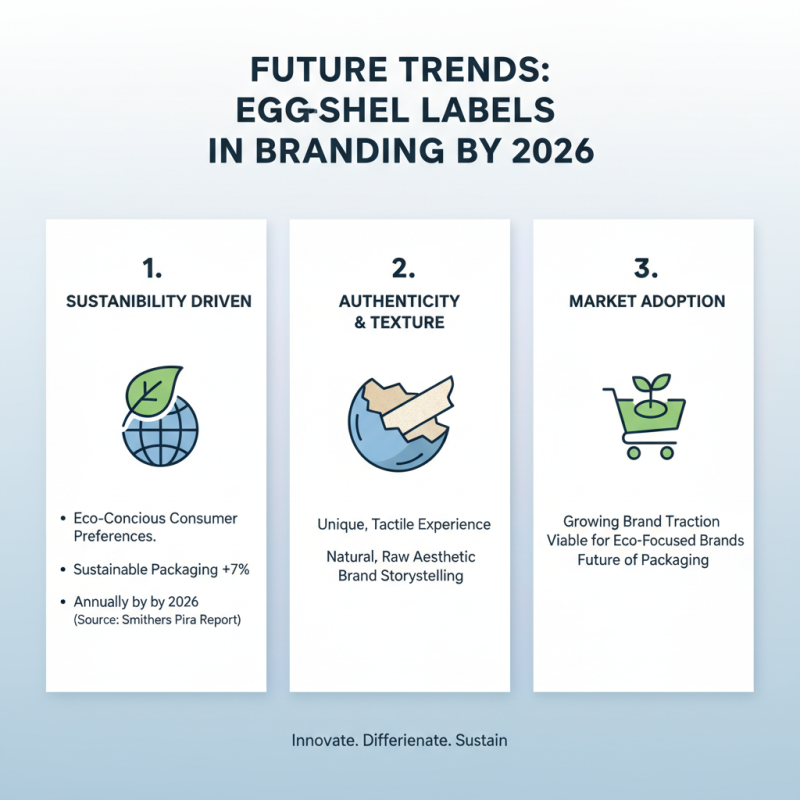
As brands prepare for 2026, eggshell labels are gaining traction in branding strategies. According to a recent industry report by Smithers Pira, sustainable packaging is poised to grow by 7% annually. This trend indicates a shift towards eco-conscious consumer preferences, making eggshell labels a viable option for brands aiming for authenticity and sustainability.
The appeal of eggshell labels lies in their tactile experience. Research from Nielsen shows that 60% of consumers prefer products with high-quality packaging. Eggshell labels provide a unique texture that enhances the unboxing experience. However, the challenge remains in balancing sustainability with cost. Brands must consider production expenses and sourcing materials responsibly. This dilemma may require reevaluation of current supply chains.
Trends show that transparency will dominate branding strategies in 2026. Consumers increasingly demand to know product origins and manufacturing processes. Eggshell labels offer opportunities for brands to narrate their sustainability journey. Yet, it’s essential to avoid greenwashing. Brands that fail to deliver on their promises may face backlash. In such an evolving landscape, continuous adaptation and honest communication will be crucial for successful branding.