Understanding China Top Clothing Size Labels for Global Consumers?
Navigating the world of clothing can be especially challenging for global consumers, particularly when it comes to clothing size labels. A recent report from Statista revealed that the global apparel market is projected to reach over $2 trillion by 2025. However, this growth is not without its complexities. Misunderstandings related to size labels can lead to significant consumer dissatisfaction. In fact, research indicates that 67% of online returns are due to sizing issues.
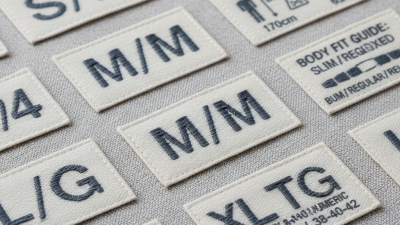
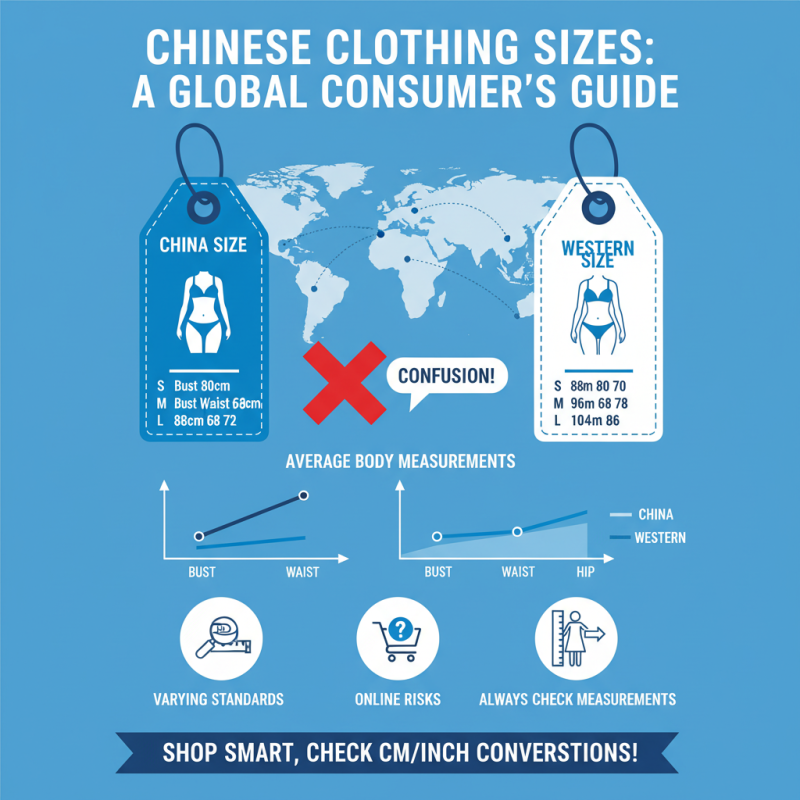
Understanding clothing size labels is crucial in bridging the gap between manufacturers and consumers. In China, clothing sizes can significantly differ from Western standards. For instance, a Chinese size L may not equate to an American L. This discrepancy confuses consumers and causes frustration during shopping experiences. With various sizing charts and regional standards, it’s vital for shoppers to be informed.
Experts suggest that brands should enhance transparency in their sizing systems. Efforts to standardize clothing size labels could improve sales and reduce return rates. However, this presents ongoing challenges. Brands may need to reevaluate their sizing strategies to cater to a diverse consumer base. As global awareness grows, consumers are encouraged to educate themselves about the intricacies of clothing size labels, ultimately affecting their purchasing decisions.

Understanding Clothing Size Labels in China: A Comprehensive Overview
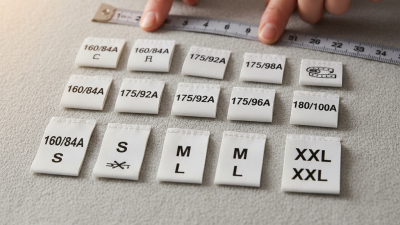
Understanding clothing size labels in China can be challenging for global consumers. The sizing system differs significantly from Western standards. While many Western clothing labels use small, medium, and large, Chinese labels often rely on numbers. Typically, sizes can range from 155 to 185, indicating height and body type. For example, a size 165 may fit someone around 5 feet 5 inches tall.
Consumers must be aware of additional factors. Variations exist between different regions and brands. One brand's medium may not equate to another's medium. This inconsistency can lead to confusion and frustration during shopping. Measurements in centimeters and inches should be carefully examined. Checking size charts provided online can help to avoid common pitfalls. These discrepancies can provoke feelings of inadequacy or disappointment when items do not fit as expected.
Purchasing clothing from China requires extra attention. Trying on clothes is ideal, but this isn't always possible for online orders. Consider using a tape measure at home to determine your size accurately. Understanding your measurements can minimize returns and exchanges. It's also critical to read reviews regarding fit and comfort. Engaging with community forums can provide valuable insights from other shoppers. This strategy can enhance your shopping experience.
Differences Between Chinese and Western Clothing Size Systems: Key Insights
The clothing size systems in China and the West differ significantly. A report by the International Clothing Industry Institute shows that most Western countries use a size range from XS to XL, while China employs numerical sizes, often from 38 to 48. This numerical system can be confusing for global consumers.
Understanding these differences is crucial. For instance, a size 38 in China may equate to a size 6 in the US. However, this is not always accurate, depending on the brand and fit. Sizing inconsistencies often lead to returns, which can reach as high as 30% in e-commerce. Recognizing these discrepancies can save time and money for shoppers.
Tips: Always check size charts before purchasing. Make note of specific measurements like bust and waist size. When in doubt, consider the fabric; stretchy materials might fit differently. Don't hesitate to ask customer service for clarification. Online reviews can also provide insight into sizing accuracy.
Understanding China vs. Western Clothing Size Systems
This chart illustrates the differences between Western clothing sizes (EU) and Chinese clothing sizes. The Western sizes correspond to numerical values commonly used in Europe, while Chinese sizes are represented in centimeters, indicating the recommended body measurements for each size category.
The Impact of Body Measurement Standards on Chinese Clothing Size Labels
Navigating clothing size labels in China can be challenging for global consumers. Body measurement standards vary significantly across cultures, resulting in confusion. For instance, a medium size in China often differs from a medium in Western countries. Measurements like bust, waist, and hip are crucial in defining these sizes. Unfortunately, many international buyers rely on online shopping, leading to potential sizing mismatches.
Cultural differences in body ideals also play a role. Standard size charts may not reflect the diverse body types that exist. Moreover, many brands do not provide accurate size conversions. This can lead to frustration when trying to find the right fit. Consumers are often left guessing, leading to returns and exchanges frequently.
It's essential to consider the discrepancies in measurements. Brands in China might follow local norms that don't cater to global standards. In function, this misalignment can frustrate those unfamiliar with the sizing system. Buyers must take time to understand the specific size charts provided, as well as any available customer feedback. Such details can provide valuable insights, ultimately empowering consumers in their shopping experience.
Market Trends: How Consumer Preferences Shape Size Labeling in China
In recent years, China’s clothing size labels have evolved to reflect changing consumer preferences. Chinese consumers now prioritize fit and comfort over traditional sizing methods. This shift impacts how brands label and market their products. Many consumers are unsure about size conversions due to variations in measurement standards. Clear labeling can alleviate confusion.
Market trends show that younger consumers particularly value body positivity. Many advocate for size inclusivity, pushing brands to expand their sizing ranges. This demand has prompted brands to adopt more standardized measurements. However, some brands still struggle to keep up with this demand, leading to inconsistent sizing across collections.
The rise of e-commerce adds another layer of complexity. Online shopping often lacks fitting rooms, making accurate sizing crucial. Inaccurate sizes can lead to higher return rates. As brands navigate these changes, they must remain attentive to consumer feedback. Understanding these trends helps create a better shopping experience for global consumers.
Challenges for Global Consumers in Navigating Chinese Size Labels Amid Growth
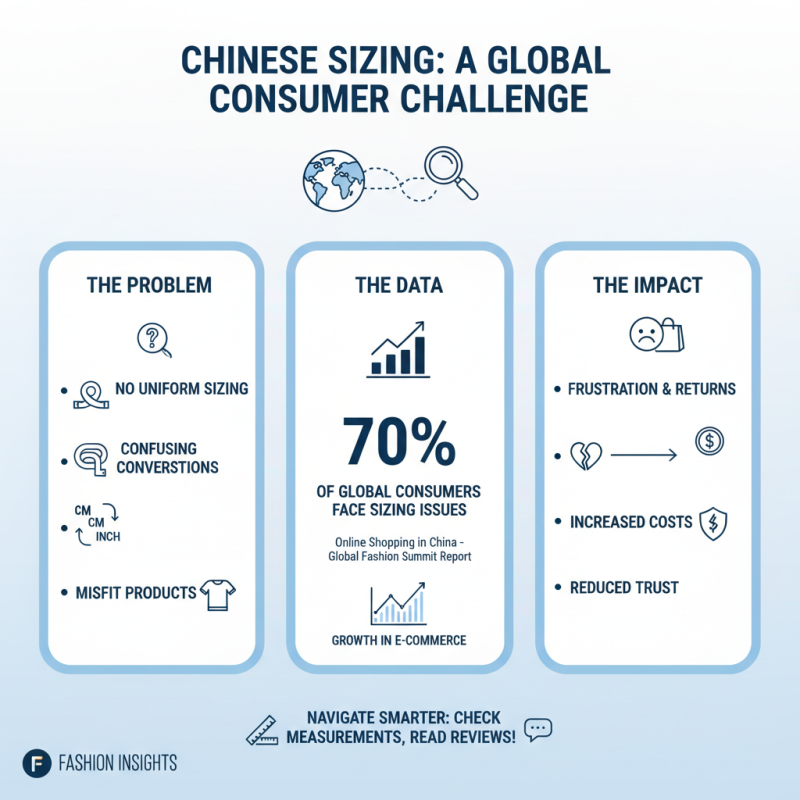
Navigating Chinese clothing size labels can be a daunting task for global consumers. The lack of standardized sizing often leads to confusion and misfit products. A recent report from the Global Fashion Summit indicates that 70% of consumers experience issues with sizing when shopping online in China. This inconsistency creates frustration, especially when shoppers depend on size charts that do not align with their expectations.
The challenge lies not only in different size labels but also in cultural perceptions of body size. According to industry insights, Chinese sizes tend to run smaller compared to Western standards. Many shoppers find themselves stuck between two sizes, unsure of which to select. A survey found that nearly half of international consumers avoided purchasing because they did not understand the sizing system. This creates a barrier to accessing a growing market that thrives on its diverse offerings.
Consumers must rely on user experiences and peer reviews to gauge sizing accurately. While platforms are making efforts to clarify size charts, discrepancies still exist. This gap calls for more reliable information and consistent labeling. As globalization continues, it is crucial for brands to address these issues. Better communication and transparency will lead to increased consumer trust and satisfaction in the long run.