Ultimate Tips for Understanding Clothing Size Labels?
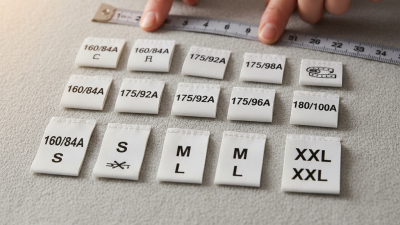
Understanding clothing size labels can be complex. Many shoppers face confusion when navigating these labels. Size variations exist across brands and styles, leading to frustration.
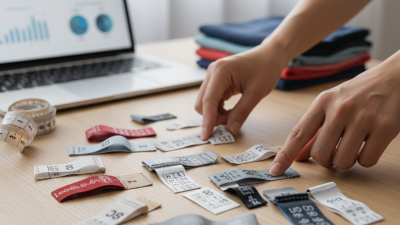
When you select clothing, it’s vital to know what these labels mean. Clothing size labels serve as a guide, but they do not guarantee a perfect fit. Man-made sizing systems can often be inconsistent. This makes it essential for consumers to measure themselves accurately and check size charts provided by retailers.
In addition, personal preferences for fit differ among individuals. Some may favor a snug fit while others prefer more room. A deeper understanding of clothing size labels can enhance your shopping experience. Realizing the variability and pitfalls of these labels can lead to more informed choices. Ultimately, the goal is to find clothing that feels good and fits well.
Understanding Clothing Size Systems: An Overview
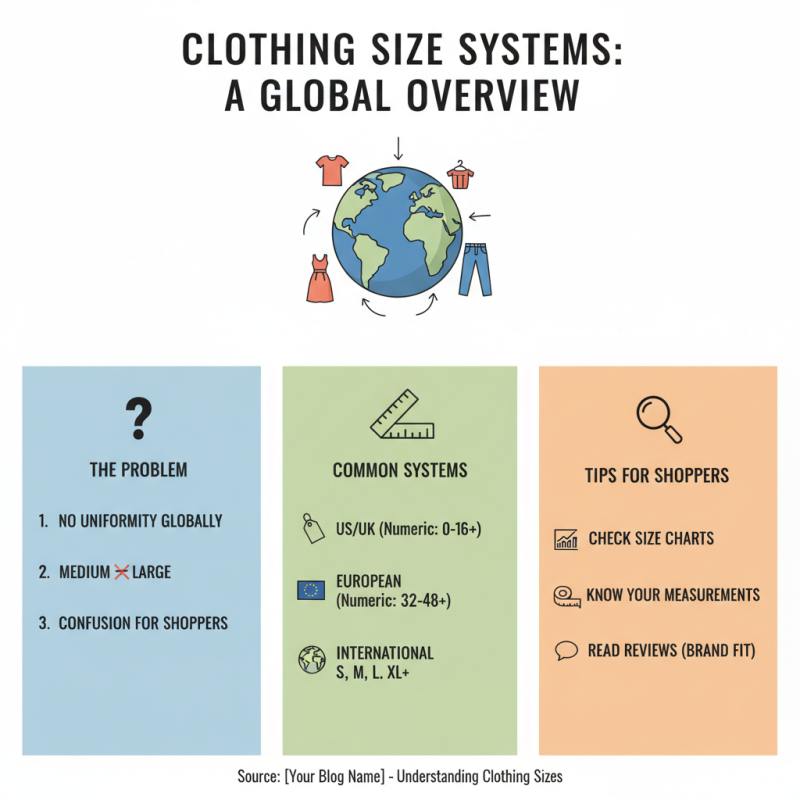
Understanding clothing size systems can be complex. Various systems exist worldwide, causing confusion for many shoppers. Sizes are not uniform across regions. A medium in one country might be a large in another. This lack of standardization is a common challenge.
Sizes often rely on measurements such as chest, waist, and hips. Familiarizing yourself with these numbers can help. For instance, knowing your own measurements can guide you during online shopping. Many retailers provide size charts. These charts are useful, but they can vary by brand. It’s essential to check each time.
Fit is equally important. A size label might claim to be a certain size, yet the fit can differ. Influencers often showcase different fits. They can reflect how a garment might look on various body types. Personal experiences with fit can offer insight. Always be open to trying multiple sizes and styles. It’s all part of finding your perfect fit.
The Importance of Accurate Measurements in Sizing
Accurate measurements are crucial when it comes to understanding clothing size labels. Inconsistencies in sizing can lead to consumer frustration. According to a report by the National Institute of Standards and Technology, about 1 in 5 women wear clothing that doesn’t fit properly. This can impact not just comfort but also confidence.
Taking accurate measurements can significantly enhance the shopping experience. A survey by the ApparelMark found that 67% of consumers are more likely to buy clothing that they know will fit them correctly. Knowing your bust, waist, and hip measurements can help you navigate varied sizing charts effectively. The reality is that sizes differ across manufacturers, and a size 8 in one brand could be a size 10 in another.
Reflecting on the data also reveals that many people rely on vanity sizing. This means they purchase items labeled with a smaller size, feeling pleased without considering the actual fit. It’s essential to focus on measurements rather than just the number on the label to ensure a wardrobe that truly meets your body’s needs.
Ultimate Tips for Understanding Clothing Size Labels
| Measurement Type |
Recommended Measurement |
Common Size Label |
Notes |
| Bust |
34-36 inches |
Medium (M) |
Measure around the fullest part of the bust. |
| Waist |
28-30 inches |
Medium (M) |
Measure around the narrowest part of the waist. |
| Hips |
38-40 inches |
Large (L) |
Measure around the fullest part of the hips. |
| Inseam |
30-32 inches |
Standard |
Measure from the top of the inner thigh down to the ankle. |
| Shoulder Width |
16-18 inches |
Large (L) |
Measure from shoulder bone to shoulder bone. |
Interpreting Size Labels: What Do They Really Mean?
Understanding clothing size labels can be confusing for many consumers.
Size indicators vary widely across regions and brands.
A report by the International Apparel Federation noted that nearly 70% of consumers struggle with inconsistent sizing.
So, what do these labels really mean?
Tips for interpreting size labels start with measurement. Always know your body measurements in inches or centimeters.
Size charts provided by retailers can help translate measurements to the appropriate label.
Don’t rely solely on the label; fit can change due to fabric, design, and cut.
A study by the American National Standards Institute highlighted that 60% of surveyed customers consider comfort more important than size.
Remember, size is just a number. Try items on whenever possible.
Additionally, check return policies in case the fit is off.
It’s normal to feel frustrated with sizes that don’t match your expectations.
Sometimes, it’s about finding the right style rather than the perfect number on a tag.
Embrace the process of trying and learning what works best for your body.
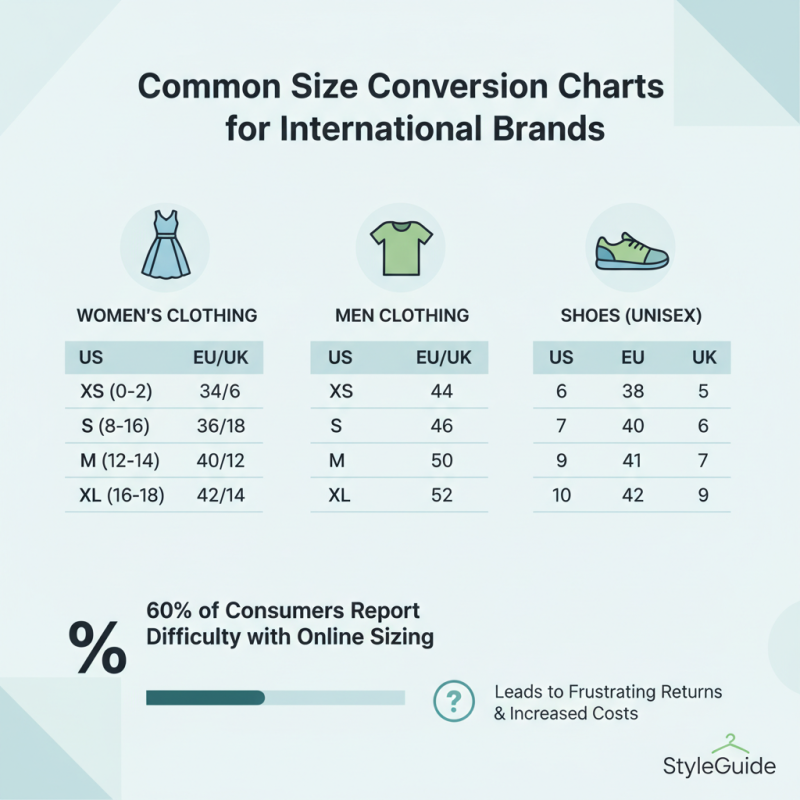
Common Size Conversion Charts for International Brands
Understanding clothing size labels can be daunting, especially due to the variations in international sizing. Many brands adopt different metrics, making it hard to find the right fit. According to recent industry data, around 60% of consumers report difficulty in selecting the correct size when shopping online. This can lead to frustrating returns and increased costs for both customers and retailers.
In particular, size conversion charts can be invaluable tools. For instance, a US size 8 typically converts to a UK size 12 and a European size 38. Knowing these conversions can save time and enhance your shopping experience. However, it's crucial to remember that these charts may not always reflect the actual fit of a garment. Different manufacturers have their own sizing standards, which can lead to inconsistencies.
Tip 1: Always check the specific measurements provided in the product description. A size label may not always represent the real fit. Many brands also offer size guides on their websites, which include pertinent information about chest, waist, and hip measurements.
Tip 2: When in doubt, reach out to customer service. They can provide insights based on returns and customer feedback, which can help guide your decision. Ideally, shopping with a clear understanding of size variations can lead to a more satisfying experience.
Tips for Finding the Right Fit: Practical Advice for Shoppers
Finding the right fit in clothing can be daunting. Many shoppers grapple with size labels that seem inconsistent. A size 8 in one store may feel like a size 6 in another. The key is to become familiar with measuring yourself accurately. Use a soft measuring tape to gauge your bust, waist, and hips. Write down the numbers to reference when you shop.
When shopping online, always consult size charts. These charts vary across retailers and can provide guidance. Don't shy away from reading customer reviews. They can offer insights into the fit and comfort of clothing. If you’re undecided, consider buying multiple sizes. It’s an investment in your fit, even if it feels wasteful to return items later.
Remember, trying on clothes in-store can provide clarity. Fit differs drastically among styles. A fitted dress will look different from a loose blouse. Don't get discouraged if one style doesn’t suit you. Keep exploring. Each experience teaches you more about what works for your body. Reflecting on these moments can refine your understanding of your personal style over time.