2026 Top Package Stickers Trends You Should Know?
As we approach 2026, the world of Package Stickers continues to evolve rapidly. The global packaging industry is projected to reach over $1 trillion by 2024, highlighting the significant role of stickers in branding and consumer engagement. According to recent market research, about 70% of consumers are influenced by packaging design, which includes the effective use of Package Stickers. These stickers not only enhance product visibility but also communicate essential information and brand values.
In an era where sustainability is crucial, many brands are shifting toward eco-friendly materials for Package Stickers. A 2021 survey indicated that 55% of consumers prefer brands that emphasize sustainable packaging. However, brands must navigate the challenges that come with these materials, such as durability and print quality. Amidst these shifts, staying updated on trends in Package Stickers is vital.
Embracing new designs can drive customer interest and loyalty. However, overuse of intricate designs can lead to visual clutter, diminishing the effectiveness of the message. Finding the balance between creativity and clarity is essential. Understanding these trends can empower brands to make informed decisions for impactful Package Stickers that resonate with consumers.
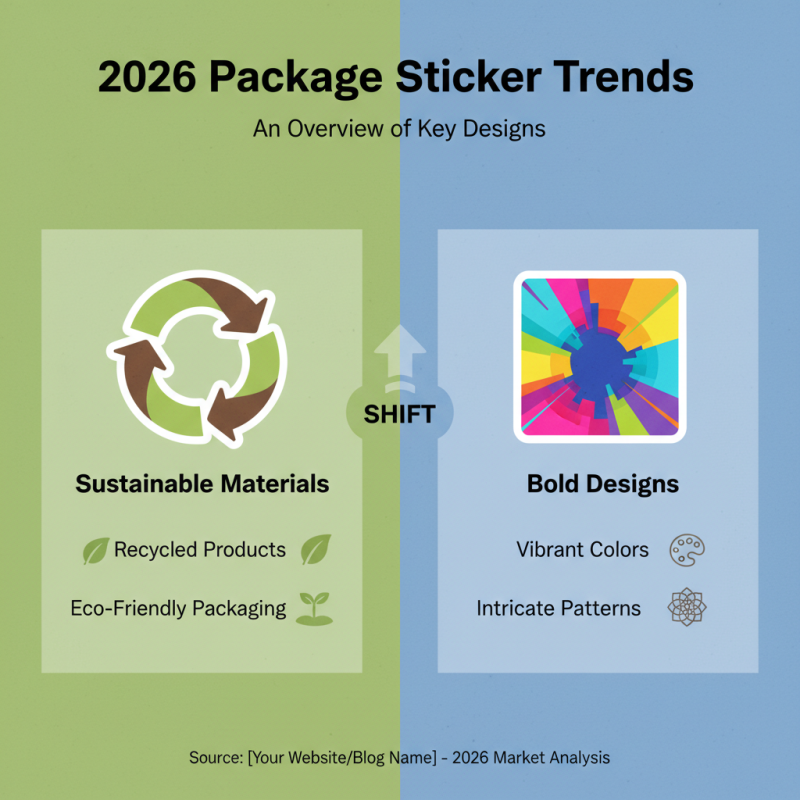
2026 Package Sticker Trends: An Overview of Key Designs
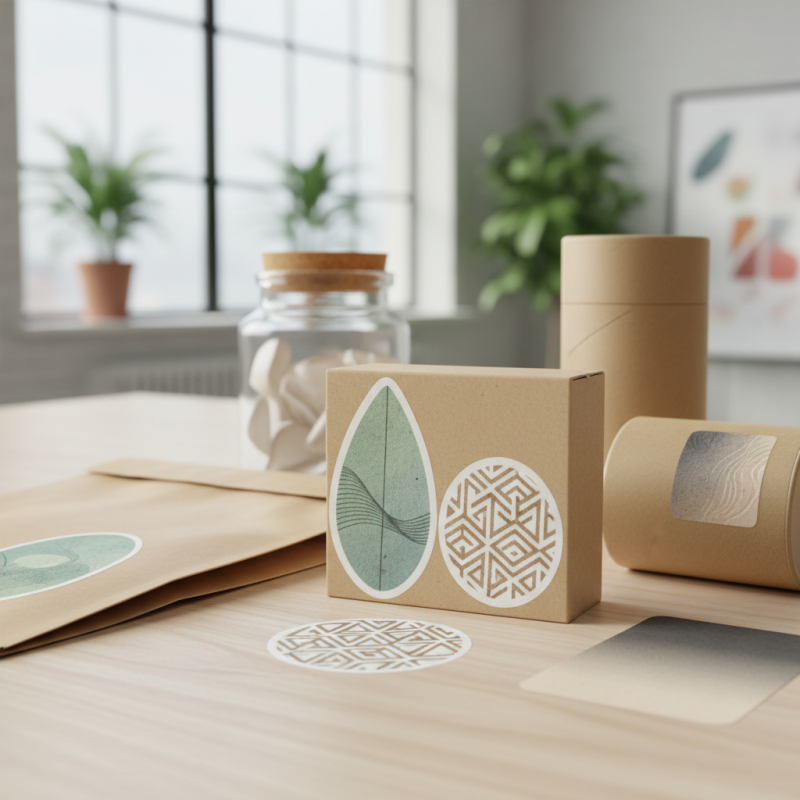
In 2026, package sticker trends will emphasize bold designs and sustainable materials. Consumers increasingly prefer stickers made from recycled products. This shift aligns with a growing demand for eco-friendly packaging solutions. Expect to see vibrant colors and intricate patterns that stand out on store shelves.
Minimalism remains relevant but evolves to include sophisticated typography. Clean lines and simple graphics often enhance the product's appeal. When creating a minimalist design, ensure that it conveys your message effectively. Use as few words as possible to capture attention.
When designing package stickers, consider the emotional connection with customers. Create designs that resonate and tell a story. Think about how colors evoke feelings. For example, warm colors can create a sense of comfort. Don't underestimate the power of humor either; it can make a brand memorable.
Finally, be open to feedback on your designs. What looks good to one person may not resonate with others. Experiment with different styles and see what works best. This iterative approach can lead to innovative and successful sticker designs.
Emerging Materials in Package Stickers for 2026
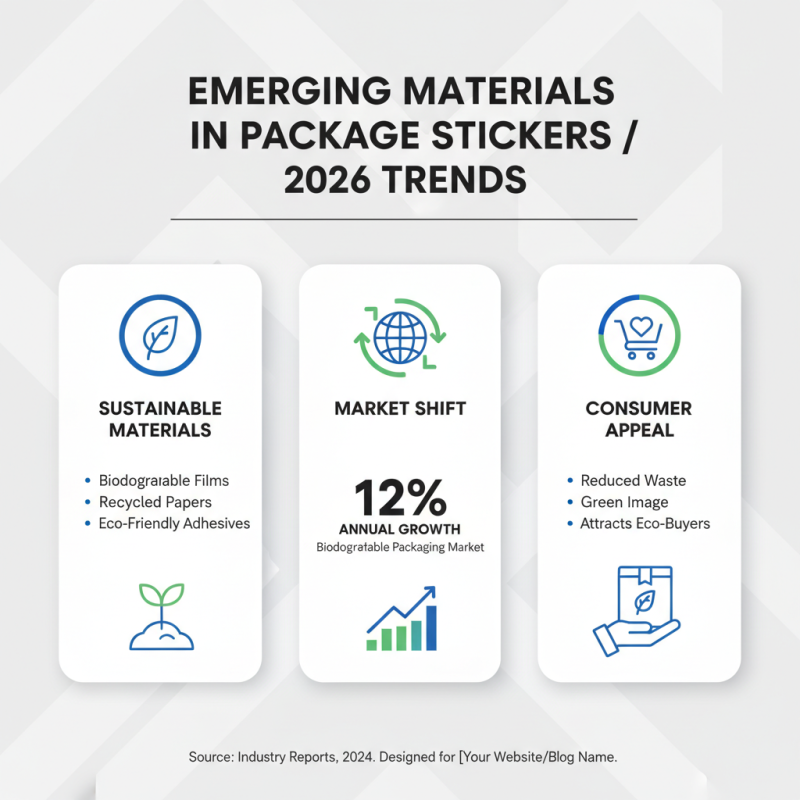
As the packaging industry evolves, emerging materials for package stickers are gaining significant attention. Sustainable materials, such as biodegradable films and recycled papers, are becoming essential in designs for 2026. According to recent industry reports, the global biodegradable packaging market is projected to grow by 12% annually, reflecting a shift towards eco-friendly options. These materials not only reduce waste but also appeal to environmentally conscious consumers.
Innovative approaches, like the use of water-based inks and plant-based adhesives, are reshaping sticker production. These methods enhance waterproofing and durability without sacrificing sustainability. Studies indicate that over 70% of consumers prefer products that utilize sustainable packaging. This trend indicates a strong market demand for responsible choices. However, the challenge remains: ensuring the functionality of these materials while maintaining visual appeal.
Brands must reflect on the balance between aesthetics and sustainability. While creating eye-catching designs is crucial, the reliance on conventional materials can be problematic. A thorough understanding of consumer preferences and material properties is needed. The transition to new materials is not just a trend; it’s a necessary shift. Companies must invest in research and development to create effective, sustainable solutions for packaging stickers in 2026.
Popular Color Palettes and Patterns in Packaging
As we approach 2026, packaging design continues to evolve. Current trends show a rising preference for vibrant color palettes that catch the eye. According to the latest report from the Packaging Association, 72% of consumers are influenced by package color when making a purchase. This indicates the significant role color plays in brand perception.
Neutral tones like beige and gray have made a comeback, appealing to those seeking minimalism. However, this trend may overlook the vibrancy favored by younger shoppers. A recent survey revealed that 65% of Gen Z prefers bold colors and playful designs. This discrepancy suggests a possible disconnect that brands need to address in their packaging strategies.
Patterns also play a crucial role in packaging aesthetics. Geometric designs are particularly popular, with a 50% increase in usage over the last year. Still, overuse can lead to visual fatigue among consumers, marking a need for moderation. Combining patterns with color can enhance packaging appeal but requires careful balance to avoid overwhelming customers. Brands must evaluate their design choices to ensure they resonate with their target audience while differentiating themselves in a saturated market.
The Role of Sustainability in Package Sticker Trends
Sustainability is reshaping the landscape of package sticker trends. Consumers are increasingly conscious of environmental impacts. They seek products that reflect their values. Eco-friendly materials are at the forefront, replacing traditional options. Biodegradable stickers made from organic substances are gaining popularity. The demand for recycled paper stickers showcases this shift.
Design choices also reflect sustainability. Brands now opt for simpler graphics that require less ink. Minimalistic designs reduce waste and resonate with eco-aware audiences. Transparency about the materials used is essential. Customers want to know what they are supporting. This increase in awareness leads companies to rethink their sourcing methods.
Challenges arise in balancing aesthetics and sustainability. Some users may not perceive eco-friendly labels as appealing. The struggle lies in creating an attractive product while being environmentally responsible. The journey towards sustainable packaging is ongoing and must evolve with consumer expectations. Brands that fail to adapt might miss the opportunity to engage eco-savvy shoppers.
2026 Top Package Stickers Trends You Should Know? - The Role of Sustainability in Package Sticker Trends
| Trend |
Description |
Sustainability Factor |
Market Impact |
| Eco-Friendly Materials |
Use of biodegradable and recyclable materials for stickers. |
Reduces plastic waste and promotes recycling. |
Increasing consumer demand for sustainable products. |
| Minimalist Design |
Simplicity in design with less ink usage. |
Less ink reduces environmental pollutants. |
Popular among eco-conscious consumers. |
| Digital Printing |
On-demand printing that minimizes waste. |
Limits excess production and resource use. |
Cost-effective and responsive to market trends. |
| Customizable Stickers |
Stickers that can be personalized by consumers. |
Encourages mindful consumption and reduces mass production. |
Enhances brand loyalty through personalization. |
| Recycled Paper Stickers |
Stickers made from post-consumer recycled paper. |
Utilizes existing materials, reducing new resource extraction. |
Fulfills consumer preference for recycled products. |
Innovative Techniques for Customizing Package Stickers in 2026
As the packaging industry evolves, customizing package stickers in 2026 will incorporate innovative techniques to enhance brand visibility. According to a recent report by Smithers Pira, the global custom packaging market is projected to reach $500 billion by 2026. This growth highlights the importance of standing out in a crowded market through unique sticker designs.
One key technique is leveraging sustainable materials. Eco-friendly stickers not only appeal to environmentally conscious consumers but also reduce your carbon footprint. Brands can utilize materials like recycled paper or biodegradable films. These choices reflect commitment to sustainability and can foster consumer loyalty.
Tip: Consider QR codes on stickers. They can provide interactive experiences, linking customers to more information or promotions. This method not only enhances engagement but also allows for creativity in design.
Another trend is the use of digital printing technology. This allows for vibrant colors and intricate designs. Brands can adopt variable data printing for personalized stickers, making each package feel unique to the consumer. However, the challenge lies in maintaining cost efficiency while offering customization at scale.
Tip: Regularly assess your sticker designs. Gather feedback on what resonates with your audience. This iterative process can lead to unexpected insights and improvements.