Top 10 Package Stickers Ideas to Enhance Your Branding Strategy?
In the competitive landscape of branding, "Package Stickers" play a crucial role in capturing customer attention. As branding expert Laura Martinez once stated, “Your packaging is the first impression; make it count.” This insight highlights the importance of thoughtful design and impactful messaging through package stickers.
Effective package stickers can enhance brand identity. They serve as a visual touchpoint that speaks directly to your audience. Colors, typography, and imagery all contribute to the storytelling aspect of your brand. However, many businesses overlook this essential element, making their strategies weaker than they could be.
It's vital to reflect on how well your package stickers convey your brand's message. Are they consistent with your overall marketing strategy? Companies often struggle to find the right balance between creativity and clarity. Taking the time to innovate your package stickers can yield significant improvements in customer engagement and brand loyalty.
Creative Design Elements for Eye-Catching Package Stickers
Effective package stickers are powerful branding tools. They can tell a story about your product.
Creative design elements are key to making them effective. Bright colors and unique fonts can catch the eye.
Consider using textures or overlays. These can add depth and interest.
Imagery plays a vital role too. Graphics that represent your brand can create a connection with customers.
It’s essential to choose visuals that resonate. Think about your target audience.
Will they find the design relatable? Include interactive elements, like QR codes, to engage consumers.
This invites them to learn more about the product.
However, achieving the perfect design can be challenging. You might find that some ideas do not resonate.
Feedback from peers can help refine your designs. Experimentation can lead to unexpected results.
It’s important to stay open to changes. Not every concept will work. Embrace those which do, and iterate on your designs.
Selecting the Right Materials for Durable and Attractive Stickers
Selecting the right materials for your stickers is crucial for effective branding. High-quality vinyl is a popular choice. It offers durability and resistance to weather elements. Matte and glossy finishes can enhance visual appeal. Consider the texture too; a soft touch can make a sticker feel premium.
Another option is paper, which can be eco-friendly. However, it may not last as long outside. Choose coated paper for added protection against moisture and wear. It can work well for indoor use or temporary promotions.
Reflecting on your brand's values is essential. Are you promoting sustainability? Then recycled materials are worth exploring. Think about the overall impact on your audience. Small details, like the adhesive type, can also influence how your stickers perform. Test different materials and designs. Learn from the results to optimize your branding strategy.
Top 10 Package Stickers Ideas to Enhance Your Branding Strategy
Incorporating Brand Colors and Logos in Sticker Designs
Incorporating brand colors and logos into sticker designs can significantly enhance your branding strategy. Research shows that colors improve brand recognition by up to 80%. Choosing colors that resonate with your target audience is essential. For instance, vibrant colors attract younger consumers, while muted tones appeal to older demographics.
A well-designed sticker featuring your logo creates a visual anchor for your brand. Stickers can act as a mini billboard, drawing attention when placed strategically. According to a study by the Advertising Specialty Institute, stickers can generate up to 500 impressions each. This statistic highlights the potential reach stickers have when used effectively.
Consistency in sticker design is crucial. Ensure that colors and logos align with your overall branding. However, it's vital to evaluate the effectiveness of your designs continuously. What works today may not work tomorrow. Trends change rapidly, and brands must adapt to stay relevant. Engaging in ongoing feedback and reflections can help refine your sticker strategy.
Top 10 Package Stickers Ideas to Enhance Your Branding Strategy
| Sticker Design Idea |
Description |
Color Palette Used |
Logo Placement |
Target Audience |
| Minimalist White Sticker |
Simple white background with bold typography. |
White, Black |
Center |
Young Adults |
| Colorful Geometric Shapes |
Bright geometric patterns that attract attention. |
Red, Blue, Yellow |
Top Left |
Families |
| Vintage Retro Style |
A design that evokes nostalgia with retro fonts. |
Brown, Orange |
Bottom Right |
Middle-aged Customers |
| Nature Inspired |
Using earthy colors and nature graphics. |
Green, Brown |
Center |
Eco-conscious Consumers |
| Bold Typography |
Striking text combined with a color splash. |
Black, Neon |
Front and Center |
Urban Professionals |
| Cute Mascot Design |
A friendly character that represents the brand. |
Pastels |
Bottom Center |
Children |
| Artwork Collaboration |
Incorporating local artists' designs. |
Varied Colors |
Varies |
Art Enthusiasts |
| Seasonal Themes |
Designs that reflect seasons or holidays. |
Seasonal Colors |
Top Right |
Event Planners |
| Interactive QR Code Stickers |
Include QR codes for instant access to online content. |
Mixed Colors |
Discrete |
Tech-savvy Consumers |
| Textured Stickers |
Utilizing textures to add a unique feel. |
Neutral Colors |
Center |
Premium Product Buyers |
Utilizing Stickers for Promotions and Customer Engagement
Stickers can play a vital role in promoting your brand and engaging customers. Their versatility makes them perfect for various campaigns. When used effectively, they can enhance visibility and create a memorable experience for your audience.
Consider using stickers as part of your packaging. A well-designed sticker can catch the eye and intrigue potential customers. They can share promotions or highlight unique aspects of your product. Smart use of stickers encourages customers to showcase your brand. This boosts awareness organically.
Tips: Aim for vibrant colors that resonate with your brand identity. Simple designs work best; they are easier to remember. Include a call-to-action, like a QR code or website link. This encourages customers to interact and learn more about your offerings.
Stickers also work well in events or giveaways. However, not all stickers will have the desired impact. Sometimes, they may not reflect your brand's values. Consider feedback from your audience and adjust designs accordingly. Embrace the learning process to improve your engagement strategy continually.
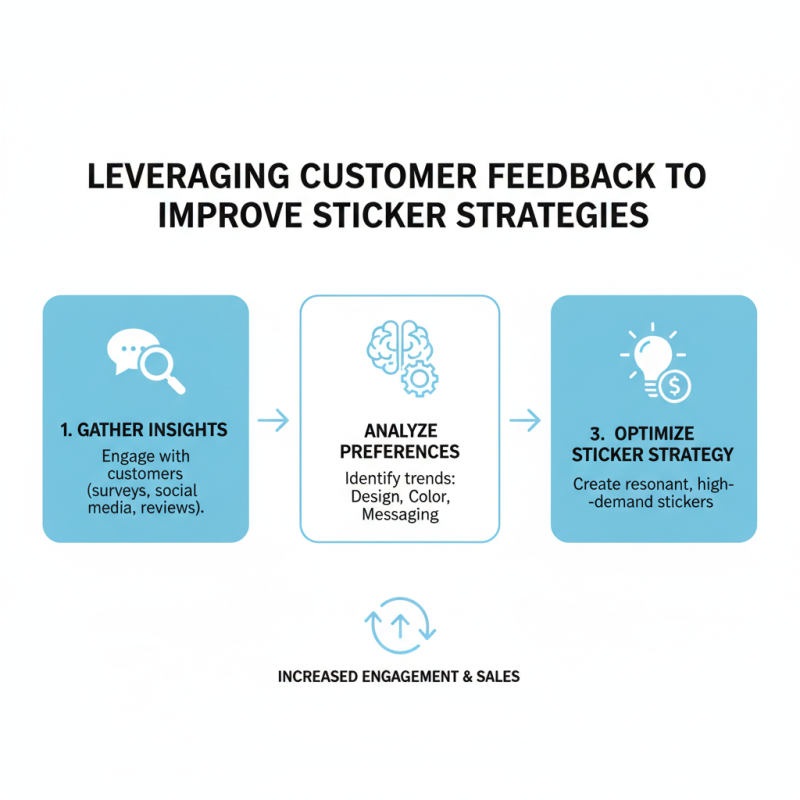
Leveraging Customer Feedback to Improve Sticker Strategies
Customer feedback plays a crucial role in refining sticker strategies. By actively engaging with customers, brands can gather valuable insights. These insights often reveal preferences in design, color schemes, and messaging. When businesses take time to analyze this feedback, they can create stickers that resonate more with their audience.
Incorporating customer suggestions into sticker design leads to a more personalized approach. This might include adjusting the size, shape, or even material of stickers. Some customers might want eco-friendly options, while others might seek more vibrant colors. It’s important to keep a pulse on what customers are saying. Listening directly to the audience fosters loyalty and builds trust.
However, not all feedback will be actionable or relevant. Some suggestions may conflict with a brand's overall aesthetic or mission. Sorting through feedback can be challenging. The key is to find common themes and trends that make sense for the brand's identity. Regularly testing new designs based on this feedback can enhance the effectiveness of sticker campaigns while keeping customer preferences at the forefront.