China Top 10 Clothing Size Stickers for Global Buyers
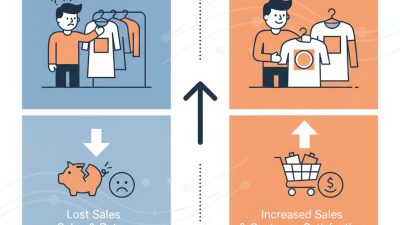
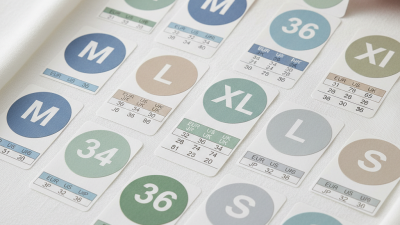
In today's global fashion landscape, the importance of Clothing Size Stickers cannot be overstated. These small labels play a crucial role in ensuring that your brand can appeal to a diverse audience. According to a recent report by the Global Textiles Federation, nearly 75% of consumers gravitate towards brands offering accurate size information. This highlights the necessity for effective sizing tools in the clothing industry.
Expert in fashion retail, Dr. Emily Wong, emphasizes, "Accurate size labeling can dramatically reduce return rates and build customer loyalty." This statement reflects the growing demand for standardized sizing across various markets. In China, where fashion trends rapidly evolve, the relevance of Clothing Size Stickers is becoming increasingly pronounced.
However, challenges still persist. Many brands struggle to navigate the complexities of international sizing standards. Inconsistent labeling can confuse consumers and impact purchasing decisions. Therefore, investing in reliable Clothing Size Stickers is essential for any clothing retailer aiming to enhance their global reach.
China's Impact on Global Clothing Size Standards and Trends
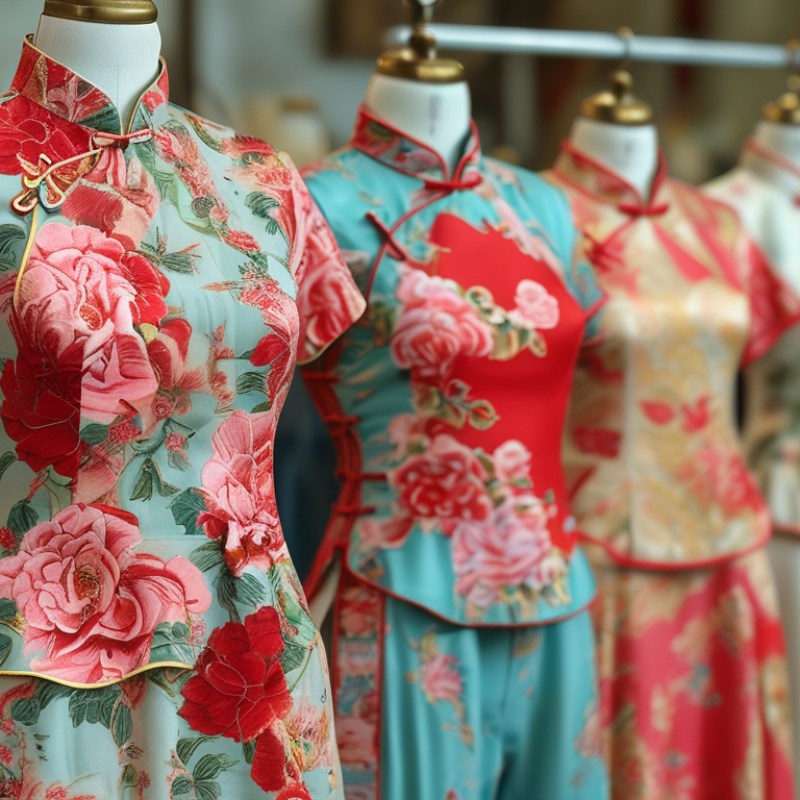
In recent years, China has significantly influenced global clothing size standards. The country is a major hub for clothing manufacturing. Its size stickers often cater to both local and international markets, emphasizing the need for standardization. According to a report by Allied Market Research, the global apparel market is poised to reach $2.25 trillion by 2025. Aligning sizes can help brands navigate this thriving market.
However, discrepancies persist. For instance, a size "L" in China may not match the same label in Europe. This inconsistency can lead to confusion for global buyers. A survey by McKinsey indicated that 63% of consumers prefer online shopping, where accurate size representation is critical. Retailers face challenges in meeting diverse sizing expectations.
Moreover, cultural differences impact consumers' size perceptions. A Western consumer may have a different body shape than the average Chinese counterpart. This gap stresses the importance of adaptable sizing. As brands expand globally, they must reflect on feedback and invest in inclusive sizing options. Failure to do so may alienate potential customers and hurt sales. The road ahead requires ongoing dialogue about size standards in a globalized market.
Key Factors Influencing Clothing Size Stickers in the Chinese Market
In the Chinese market, clothing size stickers play a crucial role in consumer satisfaction. Many buyers face challenges due to inconsistencies in sizing. This can lead to confusion when purchasing clothes online. Accurate sizing is essential for reducing returns and exchanges. It's vital for brands to understand these nuances.
Cultural factors heavily influence clothing sizes. China's diverse body shapes require brands to consider local needs. Size labels must reflect these differences. This understanding can boost consumer trust. However, there are issues. Some stickers do not accurately represent the actual sizes. This may create dissatisfaction among buyers.
Awareness of this inconsistency is essential for brands seeking growth.
Consumer education is also significant. Many buyers lack knowledge about size conversions. This gap can create hesitation in purchases. Vendors must provide clear explanations on size charts. Additionally, feedback mechanisms could help improve accuracy. Many brands overlook the importance of post-purchase satisfaction.
Addressing these factors can strengthen brand reputation and enhance customer loyalty.
Comparative Analysis of Chinese Sizes vs. International Size Standards
When shopping for clothes from China, understanding size differences is crucial. Chinese sizes often run smaller than international standards. For example, a Chinese size L may equal a medium in Western sizing. This discrepancy can lead to confusion and ill-fitting garments if not properly addressed.
One important tip: Always check size charts before purchasing. Look for measurements in centimeters rather than relying solely on size labels. This can help you make informed choices. Measure your own body and compare it with the clothing sizes listed by the seller. Trust the numbers more than the labels.
Another point to consider is that not all Chinese brands follow the same sizing standards. There can be variations even within the same size. Some brands may have tailored fits, while others focus on a looser style. If possible, read customer reviews for insights about the sizing accuracy. Users often share their experiences with fit, which can guide your decision.
Consumer Preferences: Size Familiarity and Global Buying Behavior
Understanding consumer preferences is crucial in today's global market. Size familiarity plays a significant role in buying behavior. Different countries have diverse sizing standards. This creates confusion for international buyers. A mismatch in size can lead to dissatisfaction. Many consumers often rely on size stickers to make informed choices. However, these stickers can vary widely across regions.
For instance, a medium in one country may not match a medium in another. This inconsistency can deter potential purchases. Buyers may hesitate to embrace new brands due to size uncertainty. Additionally, the lack of standardization can frustrate consumers. They often end up with items that do not fit. This situation calls for a deeper understanding of size perceptions.
Innovative solutions are necessary to enhance global buying experiences. Clear and consistent size labeling can bridge the gap. Retailers must prioritize accurate size guides. Increased awareness of sizing differences benefits both parties. As consumers navigate international markets, their trust must be earned. Accurate measurements and transparent labeling can foster loyalty. Yet, challenges remain. There is still much work to do in achieving global sizing compatibility.
China Top 10 Clothing Size Stickers for Global Buyers
The Role of Technology in Size Labeling and Measurement Accuracy in China
In recent years, technology has transformed the clothing industry in China.
Precision in size labeling is crucial for global buyers.
Accurate measurements ensure consumer satisfaction and reduce return rates. Advanced tools now enable manufacturers to create precise size stickers.
Technologies, like 3D body scanning, play a key role in this development.
They help brands understand diverse body shapes. However, the reliance on technology also presents challenges.
Miscommunication during data transfer can lead to errors. Not every manufacturer fully adopts new technologies.
Traditional methods may still influence how sizes are labeled. Buyers often face confusion when sizes differ by brand.
This inconsistency creates frustration and disappointment. Moreover, technology can't always capture individual preferences.
Tips for buyers:
- Check size charts carefully.
- Consider your body shape beyond standard sizes.
- Don’t hesitate to reach out for custom sizing options.
- Always remember, a perfect fit can vary between brands.
- Embrace the imperfections of the sizing system. Understanding this can help you make better purchasing choices.