Top 10 Clothing Size Labels in China Which One Fits You Best?
In the dynamic world of fashion, understanding Clothing Size Labels is crucial. Dr. Emily Zhang, an expert in textile sciences, emphasizes, "The right size can transform your confidence." With various sizing systems in China, finding the perfect fit can be perplexing.
Clothing Size Labels are not standardized, leading to inconsistencies across brands. Shoppers often face frustrations due to this lack of uniformity. For instance, a medium in one brand may feel like a small in another. This variability can lead to unnecessary returns, which is not ideal in today's fast-paced shopping environment.
Moreover, cultural differences add complexity to size labels. Sizes may differ regionally, affecting how garments fit. As shoppers navigate through these labels, they must approach with caution. Relying solely on traditional sizing might not yield the best outcomes. It's essential to focus on fit and comfort rather than number labels alone. Understanding the intricacies of Clothing Size Labels can significantly enhance your shopping experience.
Understanding the Importance of Clothing Size Labels in China
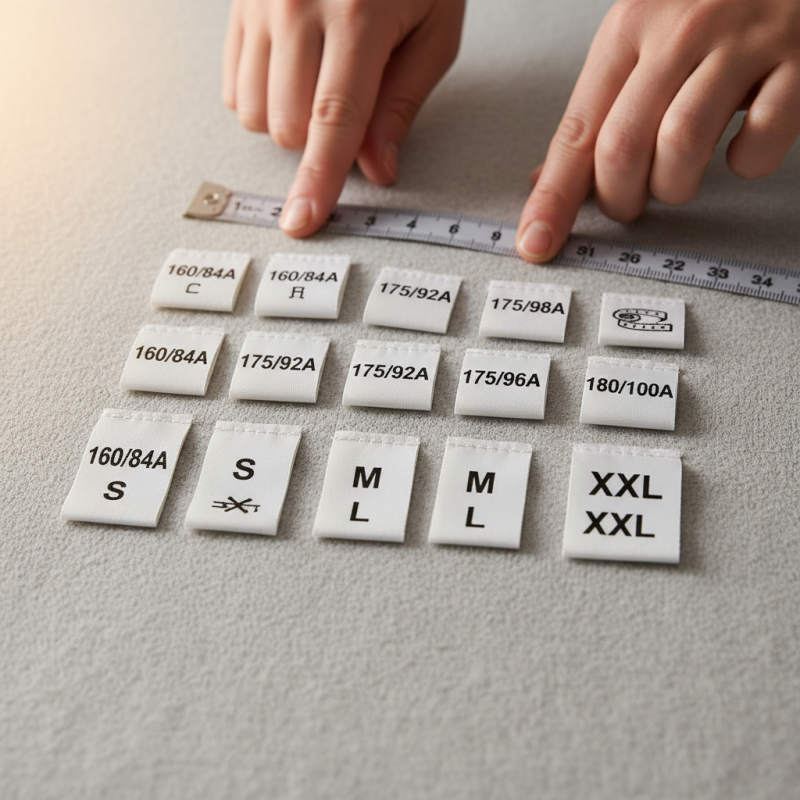
Clothing size labels in China are crucial for making informed purchasing decisions. With various sizing systems in use, understanding these labels can help consumers find the right fit. Sizes vary greatly between brands, and even between different regions in China. This inconsistency can lead to frustration when shopping. Shoppers must invest time to familiarize themselves with these variations.
Many people overlook the significance of accurate measurements. It’s essential to measure oneself and compare those measurements with size charts. Not all labels reflect actual fit; some might be overly generous while others are quite snug. There is a growing awareness about the importance of body positivity and comfort, yet many still struggle with fitting issues. Ignoring the importance of sizes can lead to returns and disappointments.
In the age of online shopping, this knowledge becomes even more valuable. Visualizing sizes through charts and guides is helpful. However, often these guides lack real-world application. Trying clothes on whenever possible remains the best approach. Understanding your own dimensions and the size variations in the market can help individuals navigate the complexities of clothing sizes in China.
Top 10 Clothing Size Labels in China
Overview of Standard Sizing Systems Used in China’s Apparel Industry
China's apparel industry utilizes several standard sizing systems to cater to diverse body types. These systems blend traditional measurements with modern fashion trends. Key sizing labels include small (S), medium (M), large (L), and extra-large (XL). Each label is often associated with specific body measurements, which can vary widely across different brands.
When shopping, it’s essential to know your measurements. This can prevent frustration when items arrive. Measuring your bust, waist, and hips accurately is crucial. Many find it helpful to try on clothing in-store when possible, as sizes may feel different from brand to brand. Additionally, always check size charts before making a purchase online.
Keep in mind that sizing inconsistencies exist. Just because you wear a small in one brand doesn't mean the same applies elsewhere. This can lead to confusion and disappointment. Be prepared to return or exchange items if they don’t fit as expected. Searching for customer reviews specific to sizing can also provide additional insights to help you make informed decisions.
Top 10 Clothing Size Labels in China Which One Fits You Best?
| Size Label |
Bust (cm) |
Waist (cm) |
Hip (cm) |
International Equivalent |
| S |
80-83 |
60-63 |
86-89 |
XS |
| M |
84-87 |
64-67 |
90-93 |
S |
| L |
88-91 |
68-71 |
94-97 |
M |
| XL |
92-95 |
72-75 |
98-101 |
L |
| XXL |
96-99 |
76-79 |
102-105 |
XL |
| 3XL |
100-103 |
80-83 |
106-109 |
XXL |
| 4XL |
104-107 |
84-87 |
110-113 |
3XL |
| 5XL |
108-111 |
88-91 |
114-117 |
4XL |
| 6XL |
112-115 |
92-95 |
118-121 |
5XL |
Comparison of Western vs. Chinese Clothing Size Labeling Practices
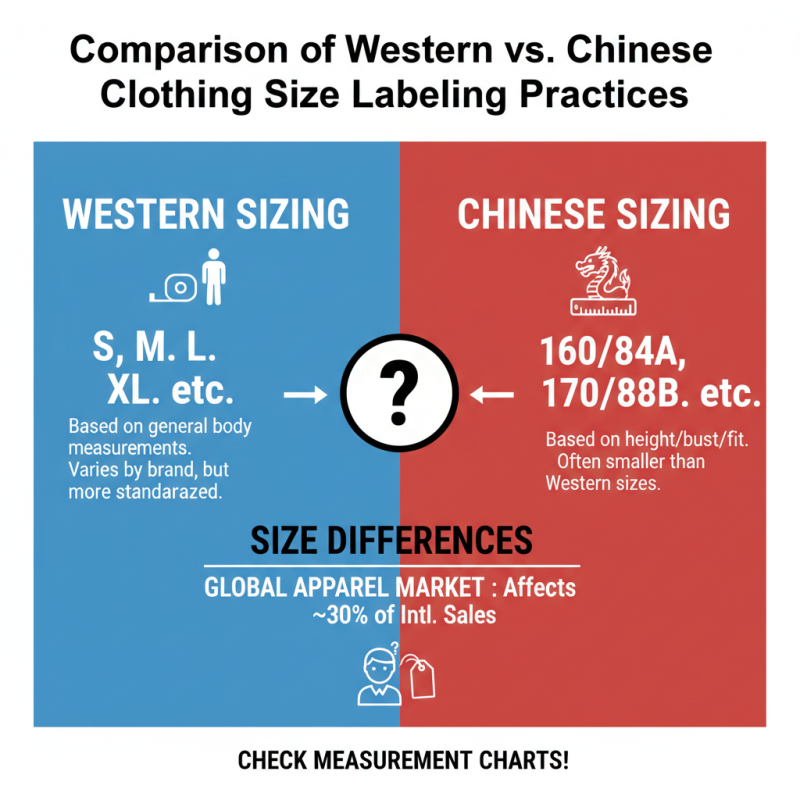
In China, clothing size labels typically differ from Western standards. This can cause confusion for shoppers. The gap in sizing systems stems from varying body measurements. For example, a size M in China may not match a Western M. According to a report by the Global Apparel Market, size discrepancies affect nearly 30% of international sales. This highlights the importance of understanding these differences.
When selecting clothing, consider that Chinese sizes often run smaller. Many brands employ a system based on centimeters. Start by measuring your bust, waist, and hips. Use a size chart to find your equivalent size in both systems. Don't rely solely on labels. Always check the specific measurements provided. Trying on clothing is ideal but can be challenging.
Tips: When shopping online, refer to customer reviews for insights on fit. Many customers share their size and fit experiences. Comparison shopping is essential in making informed choices. Remember, sizes vary not just by region, but also by style and fabric. Understanding these nuances helps avoid disappointment.
Key Factors Influencing Size Variance Across Major Clothing Brands
Choosing the right clothing size in China can be challenging. One key factor that creates size variance across brands is the difference in sizing standards. Unlike many Western countries, China often uses smaller measurements for similar sizes. This can lead to confusion for shoppers. Not every brand follows the same measurements, which adds to the complexity.
Cultural influences also play a role. For instance, styles that are preferred in certain regions may lead to different sizing options. Material differences can alter how a garment drapes on the body. Many shoppers find themselves in a cycle of trying on multiple sizes without achieving a perfect fit. This inconsistency can be frustrating and may require patience.
Moreover, individual body shapes vary widely. A size label does not guarantee that the garment will fit well on everyone. It's important to consider personal comfort and style when selecting clothing in China. Test fitting and familiarizing yourself with various brands can be beneficial. Reflecting on your own experiences may lead to better choices in the future.
Choosing the Right Size: How to Navigate Size Charts Effectively
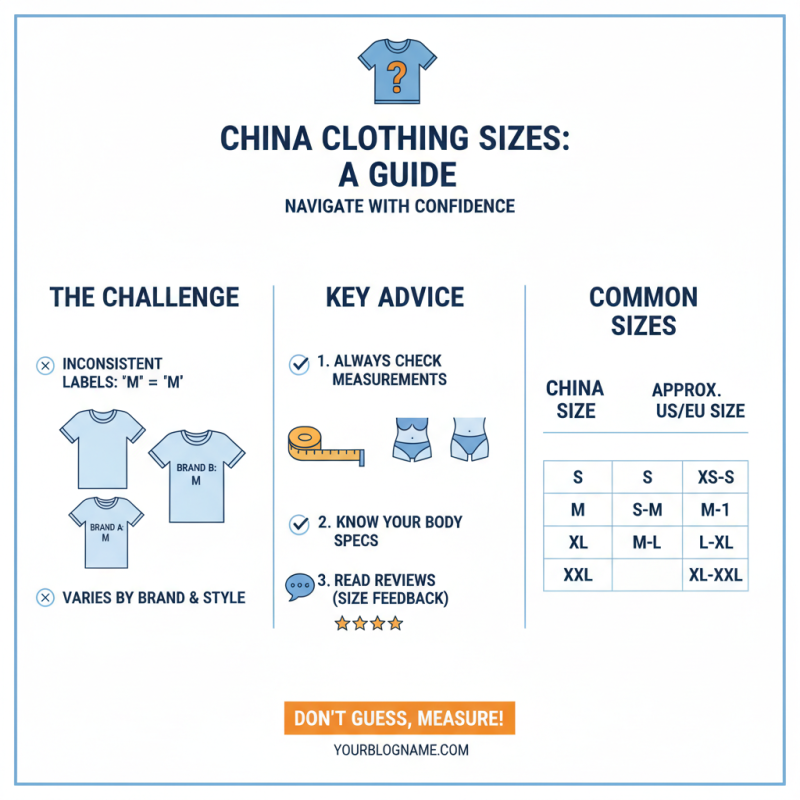
Navigating clothing size charts in China can be challenging. Size labels vary significantly across different brands and styles. Many shoppers find themselves confused by the discrepancies. It’s essential to be aware that a "medium" in one brand might not match a "medium" in another. This inconsistency can lead to frustration when browsing online or in-store.
To choose the right size, take a moment to measure your body. Use a tape measure to get accurate bust, waist, and hip measurements. Consult the size chart provided by the seller. Most charts will offer detailed guidance. Pay attention to the sizing notes, as they can include helpful tips. It’s wise to have your measurements handy, so you can compare them directly.
Sometimes, despite careful measuring, a garment may still not fit as expected. This highlights the need for tolerance with sizing. Returns and exchanges can prove useful, but they require extra effort. Consider trying on items whenever possible before making a purchase. This can save time and help avoid disappointment. Ultimately, understanding size charts is a skill that takes practice and patience.