Top Package Stickers Ideas for Creative Branding and Marketing Success
In the world of branding and marketing, the power of visually striking elements cannot be underestimated. This is particularly true for "Package Stickers," which serve as a crucial touchpoint between the product and the consumer. According to industry expert Emily Thompson, renowned for her insights on packaging design, "Package Stickers are not just decorative; they are a narrative device that can communicate a brand's identity and values within seconds." It is this blend of creativity and functionality that positions package stickers as an essential tool for businesses looking to stand out in a crowded marketplace.
In recent years, as e-commerce continues to flourish, the significance of package stickers has escalated. They not only enhance the aesthetic appeal of packaging but also play a vital role in establishing brand recognition and loyalty. With so many options available, the challenge for brands is to harness the full potential of package stickers to create memorable and engaging customer experiences. By exploring innovative designs and employing unique themes, companies can effectively differentiate themselves from competitors and connect with their target audience on a deeper level.
As we delve into the topic of package stickers, it's essential to recognize the myriad possibilities they present for creative branding strategies. From promoting seasonal campaigns to underscoring sustainability efforts, package stickers can effectively convey a wide array of messages, making them a versatile canvas for any brand's marketing endeavors. Let's explore some of the top ideas and strategies that can lead to success in leveraging package stickers for impactful branding.
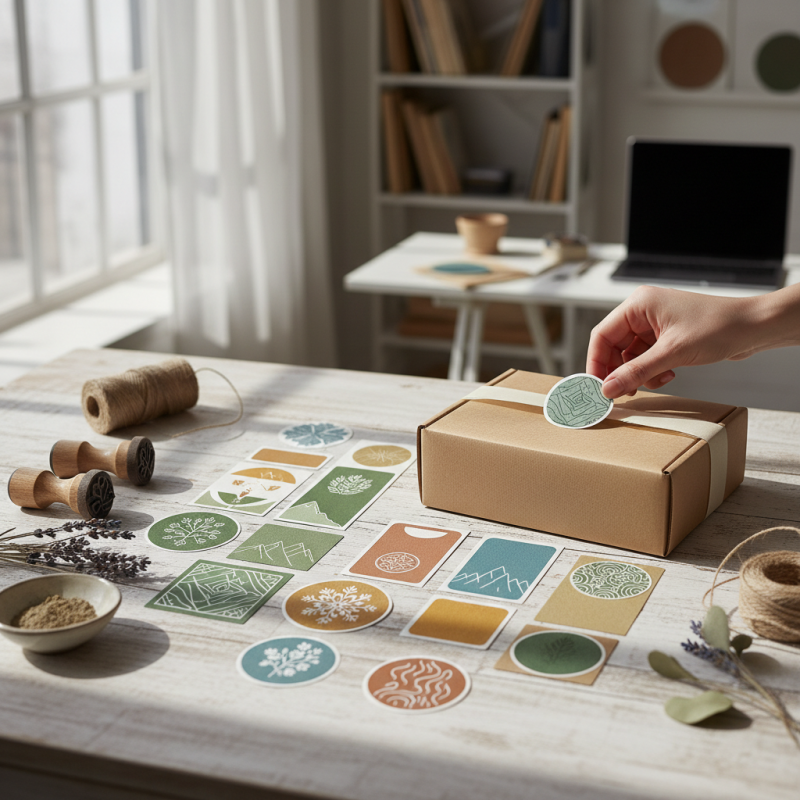
Creative Package Sticker Design Ideas for Branding
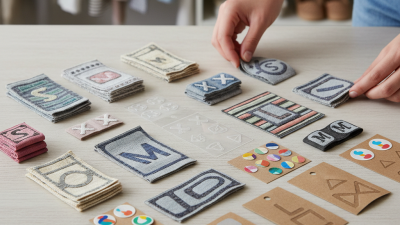
Creative packaging sticker design plays a vital role in branding, serving as a visual touchpoint that can captivate customers from the moment they encounter a product. When designing package stickers, it's important to consider the overall aesthetic of the brand while also ensuring that the stickers convey the brand's message effectively. For instance, using unique shapes or die-cut designs can help stickers stand out on the shelf, while also harmonizing with the product’s theme.
Bright colors, bold typography, and eye-catching graphics can instantly grab attention and make a memorable impression.
Additionally, incorporating storytelling elements into package sticker designs can enhance consumer engagement. By showcasing the brand's values or the inspiration behind the product through illustrations or taglines, stickers can create a deeper connection with the audience.
Eco-friendly materials and designs that highlight sustainability can also resonate well with consumers, showing that the brand cares about the environment. Overall, creative package sticker designs are not just about aesthetics; they also play a crucial role in shaping brand identity and driving marketing success.
The Role of Stickers in Effective Marketing Strategies
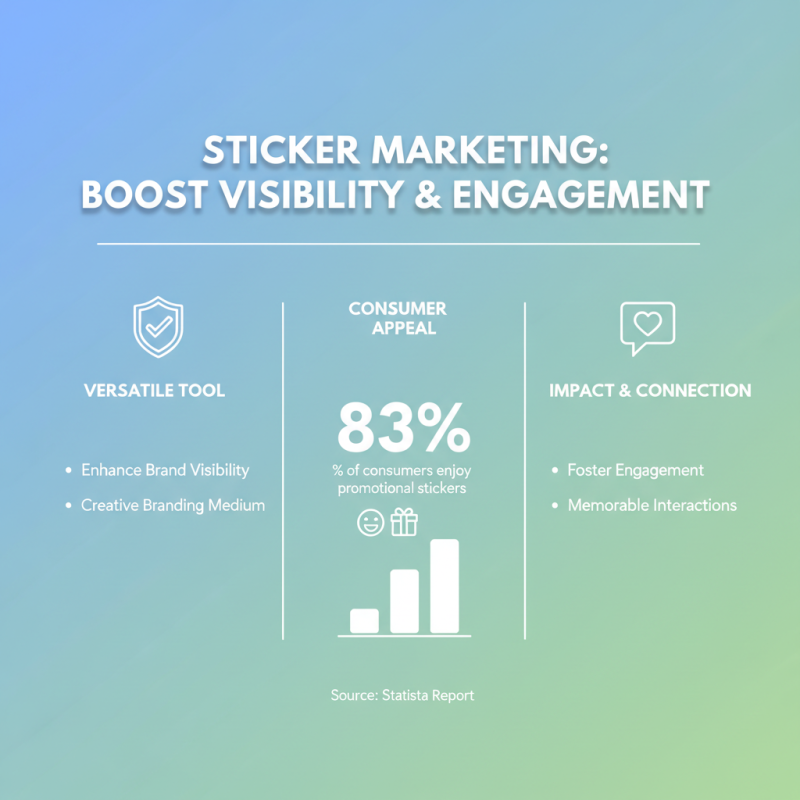
Stickers have emerged as a versatile and impactful tool in effective marketing strategies, enabling brands to enhance visibility and foster customer engagement. According to a report by Statista, 83% of consumers reported that they enjoy receiving stickers as promotional items. This statistic underscores the power of stickers in attracting attention and creating memorable brand interactions. The tactile nature of stickers, combined with their visual appeal, makes them a perfect medium for creative branding, allowing companies to convey their message in a fun and engaging manner.
Incorporating stickers into marketing campaigns can significantly amplify brand recall. Research by the Advertising Specialty Institute found that promotional products, including stickers, can increase brand recognition by up to 79%. Stickers can be easily distributed at events, included with purchases, or used in direct mail campaigns, reaching audiences in unexpected ways. Their shareable quality makes them a popular choice for guerrilla marketing tactics, where they can generate organic buzz and further extend a brand's reach. With the right design and distribution strategy, stickers not only enhance brand identity but also drive customer loyalty and word-of-mouth referrals.
Choosing the Right Materials for Package Stickers
When it comes to creating impactful package stickers, the choice of materials plays a crucial role in both functionality and aesthetic appeal. A high-quality sticker material can enhance the overall look of your branding while ensuring durability throughout the product's lifecycle. Popular options include vinyl, which offers weather resistance and longevity, making it suitable for products exposed to elements. Additionally, paper stickers can provide a more eco-friendly alternative, especially when sourced from sustainable materials, appealing to environmentally conscious consumers.
Moreover, the finish of the material can greatly influence the sticker's visual impact. Matte finishes lend a sophisticated elegance, while glossy finishes can make colors pop and draw attention. It's also essential to consider adhesive types; a permanent adhesive might be ideal for items that require long-lasting application, while removable adhesives can allow for flexibility in branding and packaging strategies. By carefully selecting the right materials for your package stickers, brands can effectively convey their message while enhancing customer experience and engagement.
Top Package Stickers Ideas for Creative Branding and Marketing Success - Choosing the Right Materials for Package Stickers
| Sticker Type |
Material |
Best Use Case |
Pros |
Cons |
| Matte Stickers |
Paper |
Personalized Gifts |
Elegant Finish |
Not Waterproof |
| Glossy Stickers |
Vinyl |
Outdoor Promotions |
Vibrant Colors |
Reflective Surface |
| Clear Stickers |
Transparent Vinyl |
Product Branding |
Seamless Look |
Requires Careful Design |
| Die-Cut Stickers |
Kraft Paper |
Unique Shapes for Branding |
Custom Shapes |
Higher Production Cost |
| Holographic Stickers |
Polyester |
Eye-Catching Marketing |
Unique Visual Appeal |
Can Be Pricey |
How to Incorporate Brand Identity into Sticker Designs
Incorporating brand identity into sticker designs is a powerful way to enhance visibility and build a memorable image. Start by identifying the core elements of your brand, such as colors, logos, and fonts. These visual components should be harmoniously integrated into each sticker design to create a cohesive look that resonates with your brand’s personality. Consider using your brand's color palette as the foundation for the sticker, ensuring that it aligns with your overall marketing strategy. This consistency will help customers instantly recognize your brand at a glance, reinforcing brand recall in their minds.
Additionally, think about the message you want to convey through your stickers. Incorporate taglines or slogans that reflect your brand’s values and mission. This not only enhances the creative aspect of the sticker but also communicates a deeper connection with your audience. The design should tell a story that taps into your target market's emotions, creating an engaging interaction. By merging brand identity with innovative design, stickers become more than just marketing tools; they evolve into a representation of your brand that customers can take with them, fostering a sense of loyalty and community.
Top Package Stickers Ideas for Creative Branding and Marketing Success
Case Studies: Successful Brands Using Package Stickers
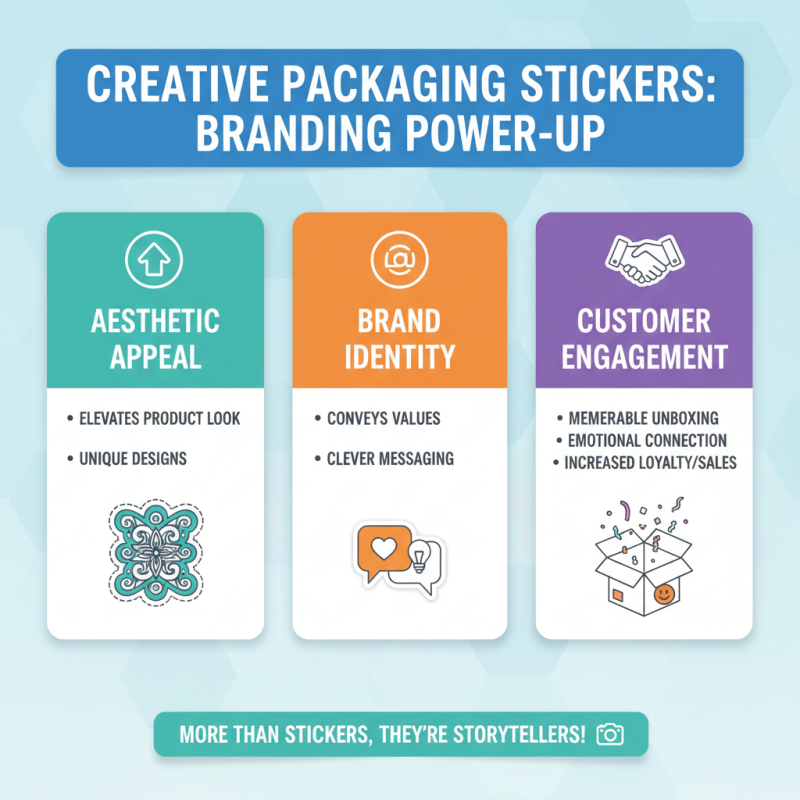
Creative packaging stickers have emerged as a key element in branding strategies for various successful companies. These stickers not only enhance the aesthetic appeal of products but also convey brand identity and values. For instance, brands have used unique designs and clever messaging on their package stickers to create memorable unboxing experiences that resonate with customers. By focusing on emotional connections and storytelling, these brands have successfully engaged their target audiences, leading to increased loyalty and sales.
Tips for implementing effective package stickers include ensuring that your design aligns with your brand’s overall image and messaging. Consistency is crucial, as a well-crafted sticker can reinforce your brand identity. Additionally, make sure your stickers serve a purpose beyond decoration; they can convey important information or even include interactive elements like QR codes that lead customers to more engagement opportunities.
Another effective strategy is to consider your sticker's placement and size. The right positioning can highlight critical features of the product while adding an element of surprise for consumers. Experimenting with different materials and finishes can also elevate the perceived quality of your product, creating an attractive and tactile experience that could lead to repeat purchases. Focus on originality and creativity in your design to stand out in a crowded marketplace and capture consumer attention.