Why Are Clothing Size Labels Important for Accurate Fit and Shopping Experience?
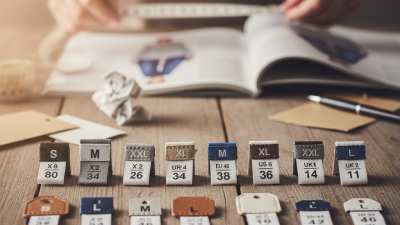
Clothing size labels play a crucial role in the shopping experience for consumers today. According to a report by the American Apparel Association, nearly 70% of online shoppers have returned clothing due to poor fit. This highlights the need for accuracy in size labeling. Dr. Emily Foster, a renowned expert in fashion merchandising, once stated, "Proper clothing size labels can bridge the gap between consumer expectation and reality."
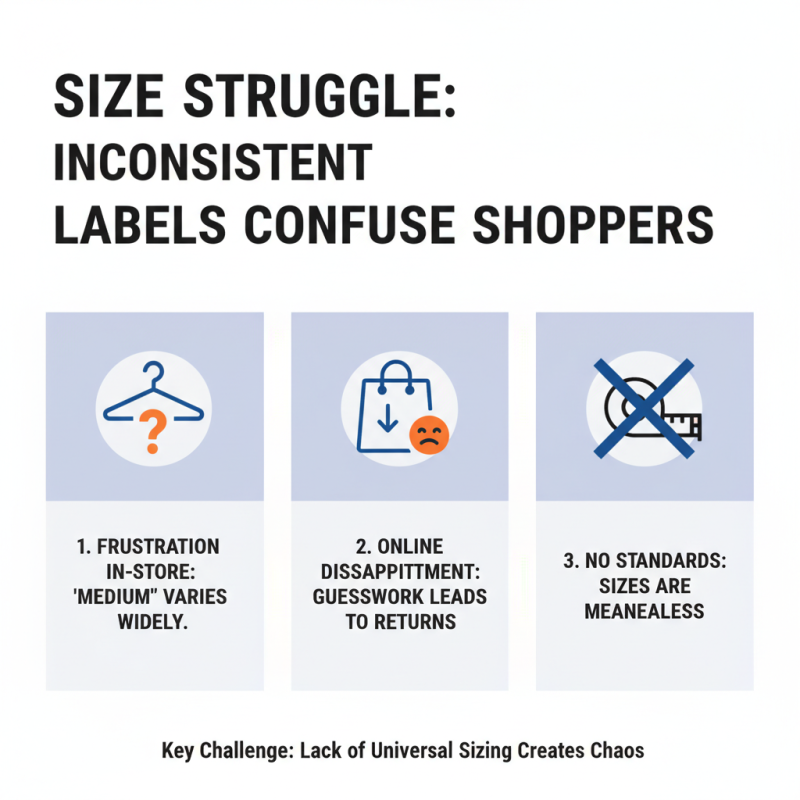
When size labels are inconsistent, it leads to confusion and frustration. For instance, a size medium from one brand may differ significantly from another. Such discrepancies challenge shoppers seeking a comfortable fit. Furthermore, a study by the International Journal of Fashion Studies reported that 80% of women often find it difficult to determine their correct size.
The impact of clothing size labels goes beyond individual purchases. Brands that provide accurate sizing can gain consumer trust. Trust fosters brand loyalty and improves overall sales. Understanding the importance of clothing size labels is essential for both consumers and retailers. As the industry evolves, addressing size accuracy remains a significant challenge that requires ongoing reflection and improvement.
The Role of Clothing Size Labels in Consumer Decision-Making
Clothing size labels play a crucial role in consumer decision-making. Many shoppers rely on these labels to find the right fit. A correct size can boost confidence and comfort. Conversely, incorrect labeling leads to frustration. Imagine ordering a dress that’s labeled a medium, yet it feels like a small. This can result in disappointment during the shopping experience.
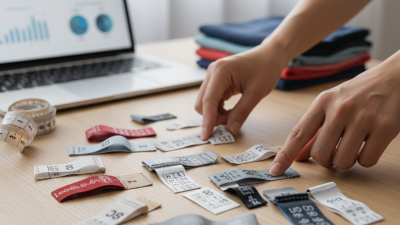
Tips: Always take measurements before shopping. Sizes can vary by brand and style. Have a measuring tape handy. Common sizes can mislead you. If in doubt, look at size charts. Compare your measurements with the given sizes. This simple step can save time and prevent returns.
Sometimes, consumers ignore labels altogether. They may think, "I always wear a large, so I’ll keep it." This approach can lead to ill-fitting clothes. Consider trying on multiple sizes. Experience each fit before deciding.
Being flexible with sizes can yield delightful surprises. One size does not fit all. Embrace the journey of finding your perfect fit!
Understanding Standardized Size Systems Across Brands
Clothing size labels play a critical role in the shopping experience. Many consumers rely on these labels to understand what will fit them best. However, standardized size systems vary significantly across different brands. According to a study by the American Apparel and Footwear Association, nearly 70% of women wear sizes that do not match traditional size categories. This inconsistency can lead to frustration.
The International Organization for Standardization (ISO) has attempted to create guidelines for size standardization. Yet, few brands fully comply. Even within the same size category, measurements can differ greatly. For instance, a size 8 in one brand might be equivalent to a size 10 in another. This creates confusion for shoppers and often results in returning items.
Reports indicate that returns due to sizing issues can account for up to 30% of online clothing sales. These issues highlight the urgent need for improved sizing strategies. Accurate fit matters, but discrepancies exist. Without better communication of sizing standards, the shopping experience suffers, leaving many unsure about what to expect.
Importance of Clothing Size Labels in Achieving Accurate Fit
This chart illustrates the distribution of sizes that consumers find most comfortable when shopping, highlighting the significance of standardized size labels.
The Impact of Accurate Sizing on Customer Satisfaction and Returns
Accurate sizing plays a crucial role in enhancing customer satisfaction. A recent report found that 67% of online shoppers returned items due to fit issues. Misleading size labels can lead to frustration and wasted time. When customers receive clothing that doesn’t fit as expected, their shopping experience suffers. This mismatch can severely impact a brand’s reputation.
In fact, a study indicated that brands with accurate sizing enjoy a 45% reduction in return rates. This clearly shows how crucial precise measurements are. Effective size labels help customers make informed choices. They feel confident buying clothes without trying them on. Yet, many brands still use vague sizing systems. This inconsistency leaves customers guessing.
Tips: Focus on specific measurements. Provide clear guidelines for each size. Consider including reviews regarding fit sizes. Listening to customer feedback can help brands improve accuracy. Adjusting size charts based on real data is key. It's necessary to acknowledge that even the best size labels can have flaws. Brands should continually refine their approach.
Why Are Clothing Size Labels Important for Accurate Fit and Shopping Experience? - The Impact of Accurate Sizing on Customer Satisfaction and Returns
| Size Category |
Percentage of Customers Satisfied |
Return Rate (%) |
Average Fit Rating (1-5) |
| S |
85% |
12% |
4.2 |
| M |
80% |
15% |
4.0 |
| L |
75% |
18% |
3.8 |
| XL |
70% |
20% |
3.5 |
| XXL |
65% |
25% |
3.2 |
Challenges Faced by Shoppers Due to Inconsistent Size Labels
Inconsistent clothing size labels create significant challenges for shoppers. Many people experience frustration when trying on outfits. A size labeled as 'medium' at one store may feel like a 'small' or 'large' in another. This discrepancy leads to confusion and disappointment, especially for online shoppers who cannot try on before purchasing.
Moreover, this inconsistency can affect self-esteem. Shoppers may feel discouraged if they are a different size than expected. Trying to navigate various label systems is exhausting. It feels like an endless battle with the fitting room mirror. Many consumers leave empty-handed, questioning their choices and body image.
In a world where convenience matters, accurate sizing is essential. Shoppers want to buy clothes that fit well. Understanding body measurements would help, but not everyone knows how to measure correctly. The industry must work on standardization. Until then, the inconsistency in size labels will continue to impact shopping experiences negatively.
Future Trends in Clothing Sizes and the Shift Towards Inclusivity
The fashion industry is gradually embracing a more inclusive approach to clothing sizes. The traditional size labels often fail to represent actual body diversity. A 2022 report revealed that over 60% of women in the U.S. wear sizes considered outside standard sizing charts. This gap highlights the need for change.
Looking ahead, brands are reallocating resources toward better data collection. Technologies like 3D body scanning are gaining traction. They allow companies to capture diverse body shapes and sizes more accurately. A recent study indicated that 75% of consumers prefer brands that prioritize size inclusivity. This shift towards understanding true body measurements can enhance the shopping experience.
Yet, challenges remain. Many brands hesitate to discard outdated sizing systems. They face pressure from long-established norms. Additionally, some consumers express confusion over fluctuating sizes across different brands. This inconsistency can undermine confidence during shopping. Recognizing these imperfections is essential for meaningful improvement in the fashion industry.