How to Create an Eggshell Label for Your Products in 2026?
In the rapidly evolving packaging industry, the Eggshell Label is gaining significant attention. According to a recent market analysis by Smithers Pira, sustainable labeling methods will capture a larger market share, projected to reach $20 billion by 2026. Brands are increasingly looking for eco-friendly materials while maintaining product visibility and appeal. The Eggshell Label offers an innovative solution, combining a delicate appearance with the strength needed for product labeling.
Despite its advantages, challenges remain. Suppliers face difficulties in sourcing sustainable materials that meet consumer expectations. Moreover, the application process for Eggshell Labels is not yet perfected across all packaging lines. Brands must evaluate their packaging strategies to ensure longevity and compliance with eco-labeling regulations.
In this competitive landscape, aligning with consumer preferences can be complex. Brands must innovate while balancing cost and sustainability. Crafting an effective Eggshell Label requires a thoughtful approach. It’s crucial to consider not only aesthetics but also functionality and environmental impact. Embracing the Eggshell Label could redefine brand identity, but it requires careful execution.

Understanding Eggshell Labels: Definition and Importance for 2026
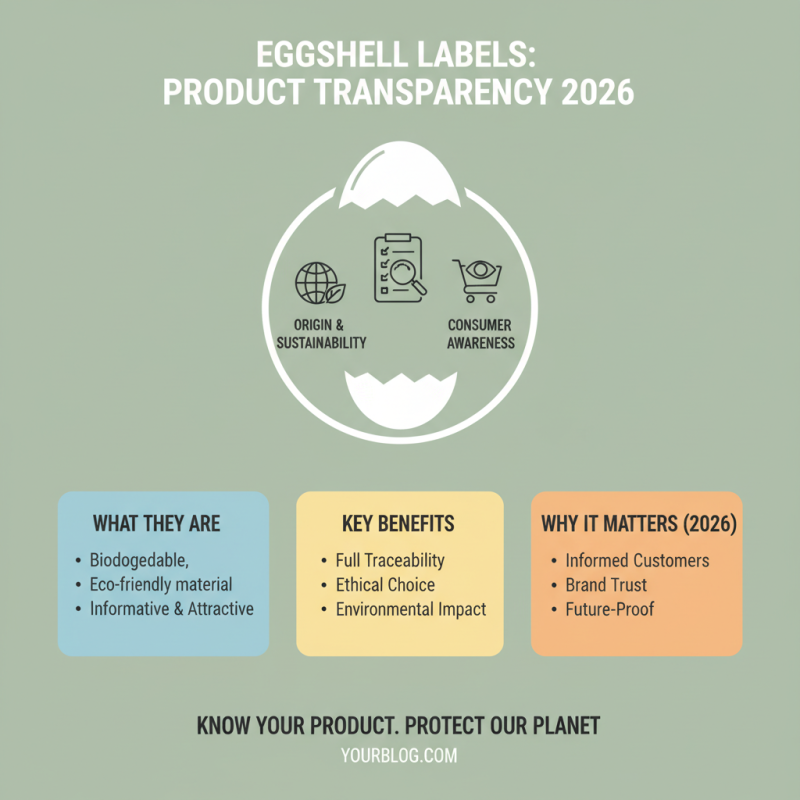
Eggshell labels are essential for product transparency in 2026. These labels communicate critical information about a product's origin, ingredients, and sustainability. Customers are increasingly aware of their choices. They want to know what they are buying and how it affects the environment. Eggshell labels provide an attractive and informative way to present this information.
Creating an eggshell label isn't just about design. It's about how well it conveys your product's story. Consider using eco-friendly materials that reflect your commitment to sustainability. Simple fonts and clear graphics can enhance readability. However, not all labels achieve this balance. Some fail to stand out on crowded shelves. Others might overwhelm customers with excessive information. Striking that perfect balance requires thought and effort.
In a world focused on authenticity, eggshell labels can help brands establish trust. Yet, they are not foolproof. Misleading information or poor execution can damage credibility. Continuous improvement and feedback are crucial. Listening to customer concerns can refine the label's design and message. This ongoing process helps ensure that the information remains relevant and honest.
Materials Needed to Create Eggshell Labels for Your Products
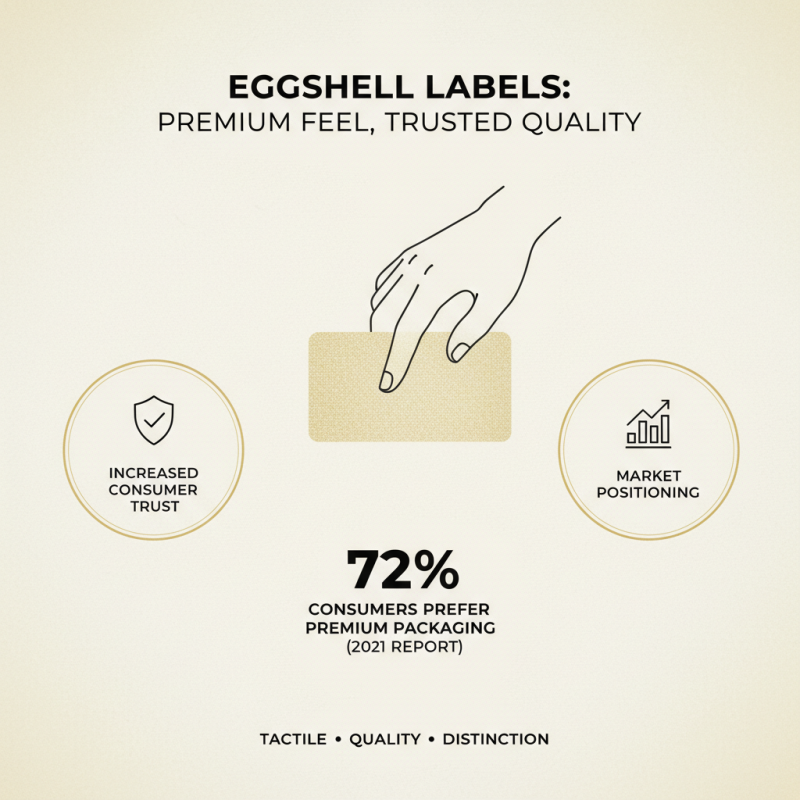
Creating eggshell labels for products is a simple process. Understanding the materials needed is crucial for achieving a professional look. The main materials include eggshells, adhesive, and scissors. Many brands are shifting towards sustainable packaging. According to a recent industry report, 72% of consumers prefer eco-friendly labels.
Eggshells are a natural choice. They are lightweight, biodegradable, and provide unique textures. All you need is a clean eggshell. Carefully wash and dry it first. Next, apply a thin layer of adhesive to the shell. As you work, consider using natural glue. It can enhance the eco-friendliness of your label.
Scissors are necessary for cutting the eggshell into your desired shape. This part can be tricky. A rough cut might ruin the label’s aesthetics. Pay attention to detail. Inconsistencies in shape or size can detract from your product's quality. In fact, imperfections can make your label feel more handmade, but balance is essential. Ensure that the final product aligns with your brand’s vision.
How to Create an Eggshell Label for Your Products in 2026? - Materials Needed to Create Eggshell Labels for Your Products
| Material |
Description |
Estimated Cost ($) |
Usage Purpose |
| Eggshells |
Natural material that can be crushed and used for labels. |
2.00 |
Main component for label creation. |
| Adhesive |
Glue to bond the eggshell label to products. |
5.00 |
Attaching labels securely. |
| Ink |
Eco-friendly ink for printing designs on labels. |
10.00 |
Designing the label. |
| Protective Coating |
A clear coat to protect the printed label. |
3.00 |
Ensuring durability and weather resistance. |
| Cutting Tools |
Tools for cutting the eggshell into desired shapes. |
15.00 |
Shaping the labels. |
Printing Techniques for High-Quality Eggshell Labels
Creating high-quality eggshell labels involves selecting the right printing techniques. Research shows that nearly 42% of consumers notice product labels first. This emphasizes the importance of label appeal. A subtle, textured eggshell label can draw attention while conveying sophistication.
Digital printing is a preferred method for eggshell labels. It allows for vivid colors and intricate designs. The technology offers flexibility for small runs without high setup costs. However, digital printing sometimes lacks the durability of traditional methods. This can be a concern for products exposed to moisture. A recent industry report highlighted that over 30% of brands face issues with label longevity.
Flexographic printing is another viable option. It ensures consistent quality at high speeds. Brands favor this for bulk production. The downside is that it requires significant initial investment. Some smaller producers might hesitate to take the risk without clear performance data. Balancing quality, cost, and technique is essential in label creation. Finding the right combination can make your product stand out.
Eggshell Label Production Techniques in 2026
Regulatory Considerations for Eggshell Labels in 2026
In 2026, creating an eggshell label requires careful attention to regulatory standards. According to a 2023 industry report, nearly 65% of consumers prioritize transparency in labeling. They expect clear information on product origins and ingredients. This shift has prompted stricter regulations from governing bodies worldwide.
Understanding these regulations is vital for compliance. For instance, the latest guidelines mandate specific information to be included on product labels. Companies must also consider sustainable practices in label production. A report by the Sustainable Packaging Coalition noted that 80% of consumers are willing to pay more for eco-friendly packaging. However, many brands struggle to balance cost and sustainability.
Reflecting on the current landscape, one must ask: Are brands ready to adapt? The challenge lies in integrating these expectations while maintaining product integrity. Ensuring that labels are not only compliant but also appealing to consumers can be daunting. As the market evolves, the emphasis on ethical labeling will only grow stronger.