Ultimate Guide to Clothing Size Stickers Tips for Choosing Right Size?
In the world of fashion, choosing the right size can be a challenge. Clothing Size Stickers offer a simple solution. They help shoppers identify sizes quickly. As noted by industry expert Jane Smith, “The right size makes all the difference in comfort and style.” Her insights highlight the importance of accurate sizing.
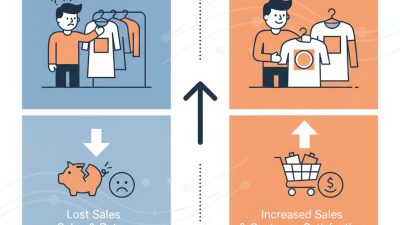
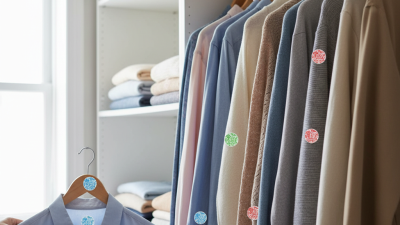
Many people struggle with size discrepancies. Clothing sizes vary by brand, making it confusing. Clothing Size Stickers can alleviate this confusion significantly. They bring clarity to the shopping process. Visual cues on size can help prevent returns. However, not all stickers are created equal.
Reflecting on personal experiences can be enlightening. Some shoppers overlook the significance of these stickers. It’s essential to consider how stickers can improve the fitting experience. A small detail like a sticker can lead to a better wardrobe. Yet, finding the right size remains a personal journey for many, fraught with challenges.
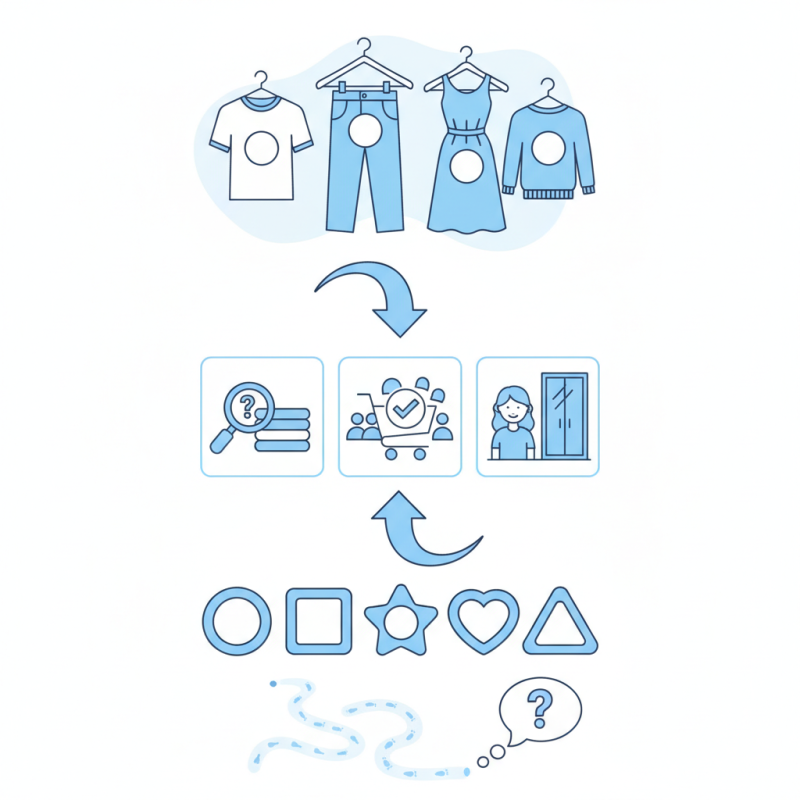
Understanding Clothing Size Stickers: Types and Terminology
Understanding clothing size stickers can be challenging. Different regions use various sizing systems. In the U.S., sizes often range from XS to XL. Meanwhile, European sizes are numbered. This inconsistency can lead to frustration. Many people buy items that don't fit properly.
Several types of size stickers exist. One common type is the hang tag, attached to the clothing. It shows the size along with care instructions. Another type is the sticker label on the inside seam. This label often includes both size and fabric information. These variations sometimes confuse shoppers.
It's essential to recognize that sizes can differ between brands. Two garments labeled "medium" may fit very differently. Personal measurements are crucial. Measuring your bust, waist, and hips can guide better choices. Experiment with different styles. Some may fit more snugly than others. When in doubt, try it on first. Don't be fooled by size numbers; fit is what truly matters.
Clothing Size Stickers: Understanding Size Preferences
How to Read and Interpret Size Stickers Accurately
Understanding size stickers can be tricky. Each brand has different sizing standards. This can lead to confusion. It’s essential to read the label carefully. Pay attention to the measurements provided. Sizes may vary significantly between styles.
When interpreting size stickers, check for specific information. Look for chest, waist, and hip measurements. If the size sticker indicates “true to size,” that's a helpful hint. But don’t rely solely on this. Each individual's fit preference plays a role in choosing the right size. If you like a looser fit, consider sizing up.
Here are some tips to keep in mind. Always measure yourself before shopping. Compare your measurements with the size chart. If possible, try on multiple sizes. This helps find the best fit. Remember, size stickers are just guides. Trust your own comfort and style.
Tips for Choosing the Right Clothing Size for Different Brands
Choosing the right clothing size can be tricky, especially with different brands having varying size charts. Many people tend to rely solely on their usual size, but this can lead to frustrating fits. For instance, a size medium in one brand might feel tighter than in another. It's essential to understand that sizing is not consistent across the board.
Before purchasing, always check the brand's specific size guide. Compare your own measurements with theirs. This process may feel tedious but can save you from the hassle of returns. Also, consider reading customer reviews. They often provide insights on whether items run large or small. Remember, what works for one may not work for all.
A critical aspect is trying clothes on when possible. If you're shopping online, look for brands that offer easy returns. Some sizes may look great on the rack but fail to deliver when worn. Being patient and attentive during this process can yield better results. It's about finding a comfortable fit that makes you feel confident.
The Importance of Trying On Clothing Before Purchase
When shopping for clothes, size can be tricky. Sizes vary significantly between brands and styles. That's why trying on clothing before you buy is crucial. It helps ensure an accurate fit. You might find that a medium is too small in one store, yet perfect in another.
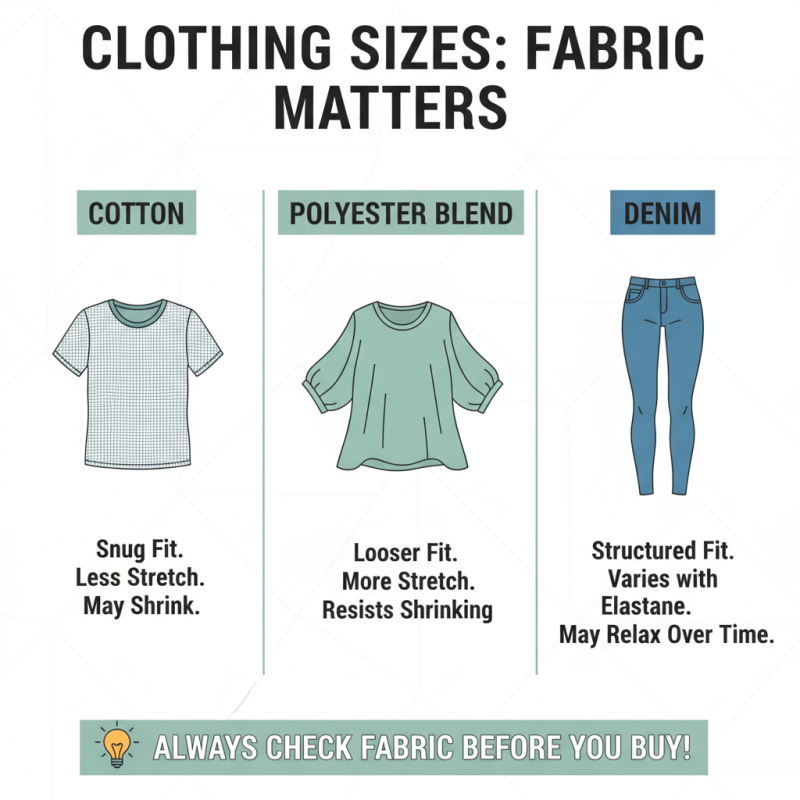
Consider the fabric too. Different materials have different stretches. A tight shirt in cotton may fit perfectly, while the same size in polyester might feel constricting. Pay attention to how clothes feel on your body. Comfort is just as important as size.
Here are some tips to consider. Always check the size chart before trying on. Bring a few different sizes into the changing room. Don't rush the process. Move around in the clothes to see how they fit while you walk. Remember, a good fit should feel natural. If it doesn’t, rethink your choice.
How to Adjust for Variations in Size Across Different Fabrics and Styles
When it comes to clothing sizes, one size does not fit all. Different fabrics can stretch, shrink, or fit differently. For example, cotton may fit snugly, while a polyester blend might hang looser. It’s essential to know how these materials behave before making a final decision.
Comfort is key. Always consider trying on several sizes. A shirt labeled as medium in one brand may be large in another. Use a measuring tape to get your true dimensions. Have you been measuring correctly? It’s easy to miss a crucial detail.
Tips for adjusting to variations include opting for styles that allow for flexibility. For layers, choose looser fits that can accommodate any fluctuations. Don’t shy away from alterations, especially if you love a piece. They can make all the difference. Remember, it’s not just about the tag; it’s how you feel wearing it.
Pay close attention to styling cues. Some cuts flatter certain body types more than others. A-line skirts often work well, but fitted sheaths can be unforgiving. Reflect on what works best for your unique shape.