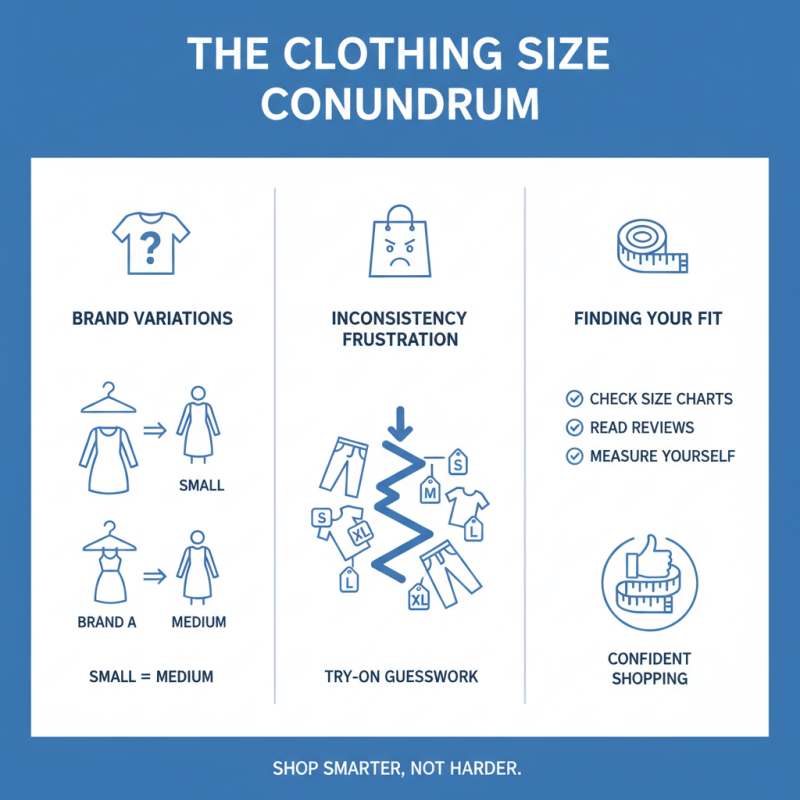
Choosing the right clothing size can be challenging. Clothing size labels vary widely across brands and regions. This inconsistency leads to confusion and frustration for many shoppers.
Understanding clothing size labels is crucial in finding the perfect fit. Some brands are true to size, while others may run large or small. This discrepancy can affect your confidence when choosing an outfit. Customers often find themselves standing in front of a mirror, hesitating over a size that may not represent their body type accurately.
In this guide, we will explore the top 10 clothing size labels. We aim to demystify these labels and offer practical advice for selecting the right fit. Be prepared to reflect on your own experiences. Understanding these labels can transform your shopping trips from overwhelming to enjoyable.
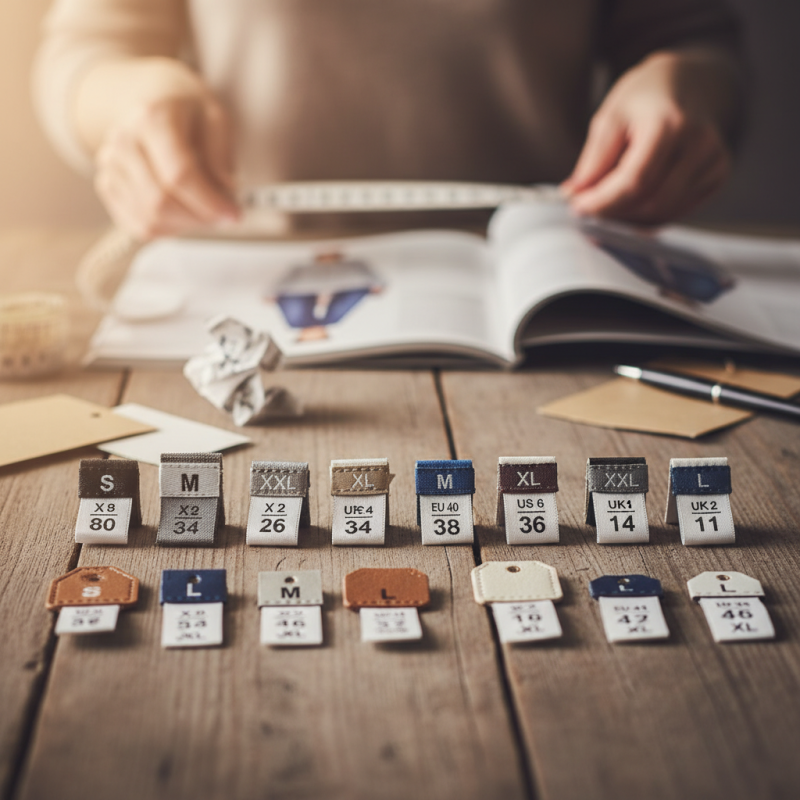
Understanding clothing size labels can be challenging. Sizes vary significantly across brands, making it hard to find the right fit. A small in one brand might feel like a medium in another. This inconsistency often leads to frustration during shopping.
When you see a size label, pay attention to the numbers. This usually indicates measurements in inches. For example, a size 8 might refer to a bust measurement of 34 inches. However, not everyone is the same. Body shapes differ, and this can affect how clothes fit. Sometimes, a size can be misleading. A person might be a size Medium, but the fit could still be too tight or loose.
Trying clothing before purchasing is crucial. Fit can be subjective. Always remember, it’s about comfort, not just the number on the label. In the end, it’s essential to choose clothes that make you feel good. Finding the right fit may take time and patience, but it’s worth the effort.
Understanding clothing size labels can be a daunting task. Size standards vary significantly across regions. For instance, European sizes often differ from those in the US. A study revealed that about 60% of consumers find it challenging to determine their correct size when shopping internationally.
In the US, a size 8 typically fits a waist measurement of 30 inches. Meanwhile, in the UK, the equivalent may correspond to a size 12, where the waist measures around 29 inches. This discrepancy can lead to frustration. In Asia, sizes can be even smaller, leading to more confusion. An article highlighted that 70% of shoppers have purchased items that didn’t fit as expected due to sizing inconsistencies.
Brands are now trying to address this issue. Some are providing detailed size charts and fitting guides. Yet, the effectiveness varies. Many still face the challenge of understanding these charts. Shoppers might find themselves needing to size up or down based on the region’s standards. This inconsistency calls for ongoing reflection in the fashion industry to meet diverse body types effectively. Consumers are encouraged to measure themselves and compare their dimensions against size charts to find a better fit.
Measuring yourself correctly is key to finding the right clothing size. Start with a soft measuring tape. Wrap it around the widest part of your bust. Make sure it’s snug but not too tight. Write down the measurement. Next, measure your waist. Locate your natural waistline, which usually is above your belly button. Again, keep the tape firm but not constrictive.
Then, measure your hips. Stand with your feet together and measure around the fullest area of your hips. It’s helpful to have someone assist you for accuracy. Don’t forget to take your inseam measurement for pants. Measure from your crotch to your ankle. These four measurements will give you a good starting point.
When you shop, remember that sizes vary across different styles and cuts. You might fit into a small in one brand and a medium in another. This inconsistency can be frustrating. Make a note of the measurements you took and refer to size charts when shopping online. Trusting your numbers can take away some of the guesswork. But remember, not every size will feel right on every body type. Adjust and reflect on how the fit enhances your comfort and style.
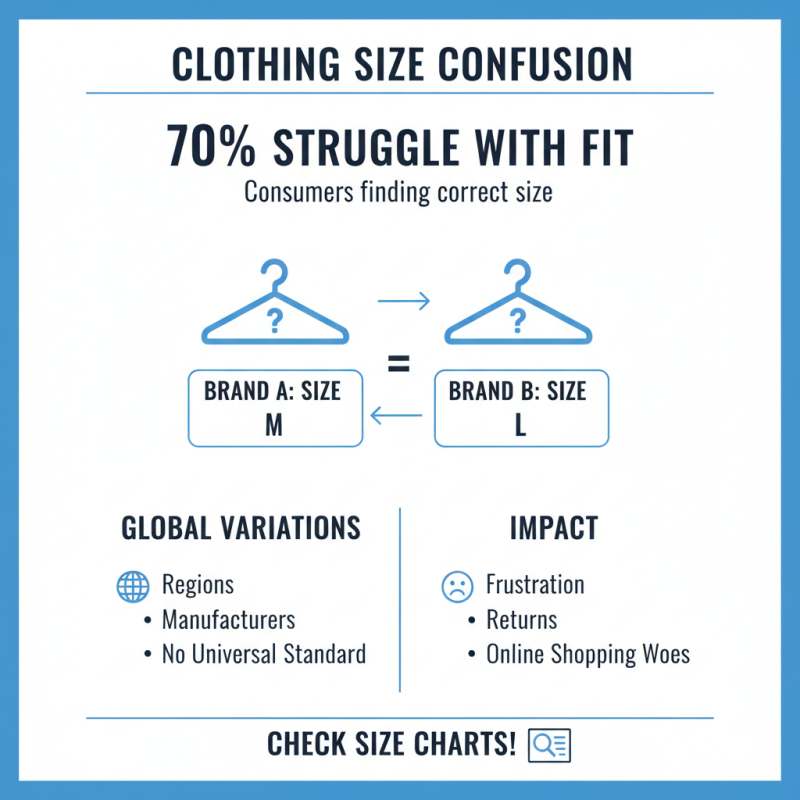
When it comes to choosing the right clothing size, understanding size charts is essential. A recent study indicates that nearly 70% of consumers struggle with finding the correct fit. Size standards vary widely across different regions and manufacturers. For example, a size medium in one brand may equate to a large in another. This inconsistency can lead to confusion and frustration.
Converting sizes correctly is crucial. Many size guides offer measurements in inches or centimeters, focusing on bust, waist, and hip dimensions. For instance, a bust measurement of 34 inches might correspond to a small in one chart but a medium in another. Take time to measure yourself often, as body shapes change over time.
Additionally, consider how different fabrics affect fit. Stretchy materials and tailored cuts can dramatically alter the way a garment feels and drapes. This variability means one size may not fit all styles. It’s worth noting that approximately 75% of consumers purchase clothing items that are ultimately returned due to fit issues. A thoughtful approach to interpreting size charts can enhance your clothing shopping experience significantly.
Choosing the right clothing size can be tricky. Body shapes differ widely. It's essential to understand your unique shape for a better fit. Hourglass figures often require different styles than pear shapes. Try to visualize your body type before shopping. It helps narrow down options quickly.
When shopping, pay attention to fit details. For example, a fitted waist can enhance your silhouette. Loose clothing can sometimes hide your shape. Remember that sizing is often inconsistent across styles. Don't hesitate to try several sizes. This can be frustrating but worth the effort.
Consider your personal style as well. What do you feel confident in? Some prefer tailored looks, while others enjoy a relaxed vibe. Balance comfort with style choices. Reflect on what works for you. Fashion is as much about feeling good as it is about appearance.