
Leave Your Message

How to Choose Moving Stickers for Boxes in 2026?

Choosing Moving Stickers For Boxes in 2026 is more practical than picking bright colors. The right sticker should communicate risk, destination, handling instructions, and unpacking priority within seconds. A red “Fragile” label may help, but it cannot protect poorly cushioned glassware. Placement matters too. Put stickers on two visible sides, not beneath tape or plastic wrap.

Packaging consultant Sarah Mitchell explains, “A useful moving label should guide the next action, not merely describe the box.” That principle supports clearer choices. Use large, high-contrast text for heavy cartons. Add waterproof stickers for garages, basements, or rainy loading conditions. Consider writable surfaces for room names and special notes. QR-enabled labels may also connect boxes with digital inventories, although they are not perfect when phones lose power or stickers wrinkle.

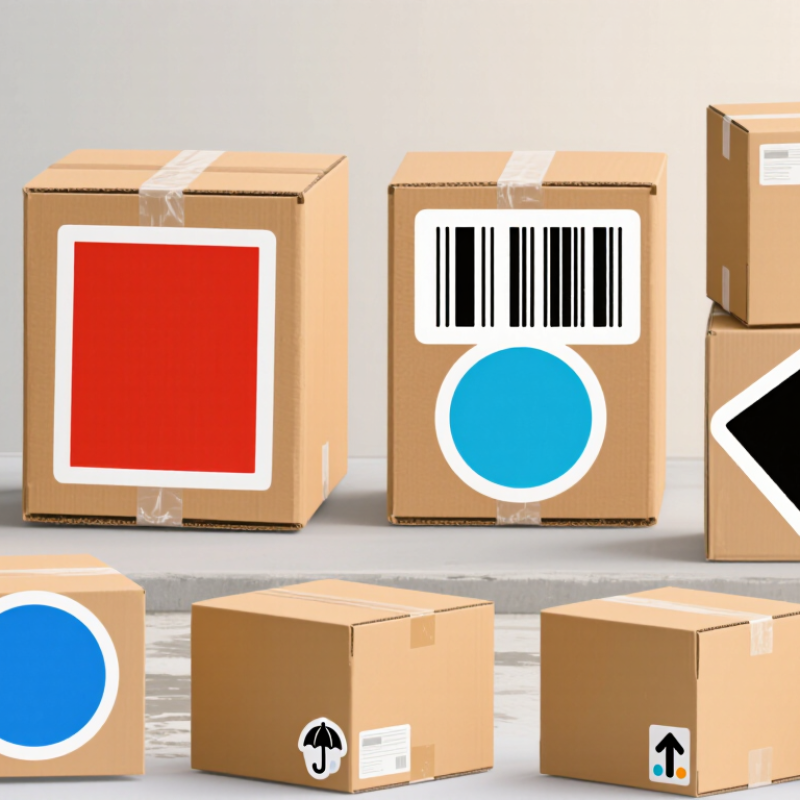
The best selection balances visibility, durability, removability, and environmental impact. Recyclable paper labels may suit indoor moves, while synthetic options can survive damp corridors and repeated handling. Avoid excessive warnings. Too many labels create visual noise. A small blue kitchen sticker, a bold black “This Side Up” arrow, and a numbered inventory code can be more useful than a crowded design. Test one sticker before buying hundreds. Adhesive can leave residue. Ink can smear. These small failures deserve attention, because moving day rarely follows the plan. A thoughtful labeling system reduces searching, protects fragile items, and gives every box a clearer destination.
How to Choose Moving Stickers for Boxes in 2026?

Define the Purpose and Information Needs of Moving Box Stickers

Moving stickers should answer one practical question: what must happen to this box next? The U.S. Census Bureau’s 2023 Current Population Survey recorded about 28.3 million people moving within the country. That volume shows why vague labels create unnecessary searching. A useful sticker should include the destination room, box number, handling priority, and a short contents category. “Kitchen, 04, open first, cookware” works better than “Kitchen items.” Keep the wording large enough to read from two metres away.

Information needs differ during loading, transport, and unpacking. Use a consistent color system, but never depend on color alone. The 2024 global logistics performance data published by the World Bank emphasizes shipment visibility and information quality as operational concerns. A box code, matching inventory entry, can improve visibility without crowding the label. Avoid listing valuables or private details. A simple note such as “fragile glassware” is usually sufficient.

Test the sticker on a dusty carton and under dim hallway lighting. Adhesive failure is easy to overlook. I have trusted a neat label that peeled off overnight.

Leave space for changes. A room assignment may shift when furniture arrives, and “open first” can become irrelevant. Writable fields support those corrections. However, too many fields slow labeling and invite inconsistent entries. The ideal sticker is not the most detailed one; it is the one tired movers can understand instantly.


Compare Sticker Materials, Adhesives, Sizes, and Visibility

How to Choose Moving Stickers for Boxes in 2026?

Choosing moving stickers starts with the box surface. Paper stickers work well on clean cardboard and remain easy to remove. For plastic bins or dusty cartons, use synthetic film stickers with stronger moisture resistance. I have found that thin paper labels wrinkle near cold floors. That small failure can make handwriting unreadable.

Adhesive strength matters just as much. A removable adhesive suits short storage and painted surfaces. Permanent adhesive holds better on rough cardboard, but removal may leave fibers behind. Test one sticker first. Press it firmly for five seconds. If the edge lifts overnight, choose a stronger adhesive. Do not trust the package description alone.

Size affects speed and visibility. Small stickers suit books and kitchen items, while large labels help with bulky boxes. Use bold, high-contrast text that can be read from three meters away. Red or orange can mark urgent handling, but color alone may confuse people with limited color vision. Add clear words, such as “FRAGILE” or “OPEN FIRST.”

Tips: Keep labels at eye level on two sides. Leave space for room names and dates. Use matte surfaces when glare is common. Take a quick photo before sealing each box. I sometimes label too early, then change the contents, so checking again prevents avoidable mistakes.

How to Choose Moving Stickers for Boxes in 2026?

Comparison of commonly used sticker materials using typical performance ratings from 1 to 5. Higher scores indicate better moisture resistance, adhesive durability, visibility, and removal performance.

Paper labels are economical and easy to remove, while polypropylene and vinyl labels provide stronger moisture resistance. Choose a sticker size that remains readable from the normal viewing distance without covering package handling information.

Match Sticker Designs to Room Types and Handling Requirements

How to Choose Moving Stickers for Boxes in 2026?

Match each sticker design to the room and the box’s handling needs. In my packing experience, simple room labels reduce confusion during unloading. Use a blue kitchen sticker for boxes containing plates, pans, or small appliances. Choose a bedroom symbol for folded clothes, bedding, and personal items. Keep the wording large enough to read from two meters away. A clear icon helps when workers are carrying several boxes at once.

Handling details need equal attention. Mark glassware with a fragile symbol and add “This Side Up” arrows when direction matters. Use a heavier-duty sticker for boxes that may face rain, dust, or repeated lifting. For books, tools, or canned food, select a “Heavy” label and place it near the center of the front panel. Do not cover tape seams or box corners. They wear quickly.

Small details matter.

Color coding can speed up room placement, but too many colors may create mistakes. I once used similar green shades for the bathroom and study. The labels looked attractive, yet two boxes reached the wrong room. That experience changed my approach: use distinct colors, readable text, and familiar symbols together. Test one sticker on a spare box before packing the whole home. Check whether it stays attached after rubbing, bending, and light moisture. Reliable labels should guide tired people, not demand perfect attention.

How to Choose Moving Stickers for Boxes in 2026? — Match Sticker Designs to Room Types and Handling Requirements
Room Type Recommended Sticker Design Suggested Color Typical Box Contents Handling Requirement Priority Level Useful Sticker Text or Symbol Placement Guidance
Kitchen High-visibility room label with fragile icon Orange or red accent Glassware, plates, cookware, small appliances and packaged food Keep upright where possible; avoid stacking heavy boxes on top; mark breakable contents clearly. High “KITCHEN” · “FRAGILE” · Upright arrows Place one large label on the top and one on the longest side of the box.
Dining Room Elegant category label with delicate-item symbol Burgundy or warm gold accent Tableware, serving pieces, decorative objects and linens Use moderate lifting care; separate ceramics and glass with cushioning; keep decorative items from shifting. High “DINING” · “HANDLE WITH CARE” · Glass symbol Use a contrasting label on both sides so it remains visible when boxes are stacked.
Living Room Large room-code sticker with content category Blue accent Books, media devices, décor, cushions and small furniture parts Distribute weight evenly; keep electronics protected from moisture and avoid overfilling book boxes. Medium “LIVING ROOM” · “ELECTRONICS” · “BOOKS” Use separate category stickers when one room contains both heavy books and delicate electronics.
Bedroom Calm color label with textile and assembly indicators Purple or soft blue accent Clothing, bedding, shoes, accessories and flat-packed furniture parts Keep textiles dry; use smaller boxes for shoes and books; secure loose hardware in labeled bags. Medium “BEDROOM” · “LINENS” · “ASSEMBLY PARTS” Attach a room label and a contents label to the same visible panel for faster sorting.
Home Office Electronics-focused label with cable-control symbol Teal or dark blue accent Monitors, computers, documents, cables, stationery and office equipment Protect screens from impact; keep devices dry; label cables and store sensitive documents separately. High “HOME OFFICE” · “ELECTRONICS” · “KEEP DRY” Place labels on two adjacent sides and add an inventory reference if several devices are packed.
Bathroom Moisture-aware label with leak caution Turquoise or green accent Toiletries, towels, cleaning supplies and small bathroom accessories Seal liquids in leak-resistant bags; keep products upright and separate from paper goods and textiles. High “BATHROOM” · “LIQUIDS” · “KEEP UPRIGHT” Use a waterproof or moisture-resistant sticker on boxes containing bottles or cleaning products.
Laundry Room Utility label with weight and liquid indicators Green or charcoal accent Detergent, fabric care products, baskets, hangers and laundry tools Check that containers are sealed; place heavier products at the bottom; keep boxes stable during lifting. High “LAUNDRY” · “LIQUIDS” · “HEAVY” Apply the label above the handhold area and add a weight warning when the box is dense.
Garage or Workshop Bold industrial label with weight and sharp-object warnings Black, yellow or safety orange accent Tools, hardware, sports equipment, garden items and spare materials Separate sharp, oily or chemical items; use strong cartons; keep heavier loads low and secure loose parts. High “GARAGE” · “HEAVY” · “SHARP OBJECTS” · Weight icon Use large lettering on all outward-facing sides and add a contents note for mixed hardware.
Children’s Room Bright room label with toy and age-group symbols Yellow, coral or sky blue accent Toys, books, clothing, school supplies and small furniture components Keep small parts contained; protect delicate toys; avoid placing heavy boxes above lightweight cartons. Medium “CHILDREN’S ROOM” · “TOYS” · “SMALL PARTS” Use simple, high-contrast symbols that remain readable for quick family sorting.
Storage or Seasonal Items Long-term storage label with date and access indicator Gray or deep green accent Holiday décor, archived papers, spare linens and infrequently used household items Use durable labels; record the packing date and contents; keep moisture-sensitive goods off damp floors. Low “STORAGE” · “OPEN LAST” · “PACKED: MONTH/YEAR” Place the label on the top and front; include a short inventory description for future retrieval.
Entryway Compact sorting label with immediate-access indicator Bright blue or lime accent Keys, shoes, umbrellas, bags, coats and moving-day essentials Keep essential items accessible; avoid sealing documents, chargers or daily-use items in deep storage. Medium “ENTRYWAY” · “OPEN FIRST” · “ESSENTIALS” Use a highly visible label and place immediate-access boxes near the loading-door area.

Choose Smart, Sustainable, and Technology-Ready Sticker Features

How to Choose Moving Stickers for Boxes in 2026?

Choose stickers that support reuse, recycling, and accurate handling. The OECD’s Global Plastics Outlook reports that only 9% of plastic waste was recycled in 2019. This makes material selection more important than decorative printing.

Choose paper-based stickers with water-based adhesive when possible. Test removal on corrugated cardboard before ordering thousands. A label that tears the box is not sustainable.

I learned this after seeing clean cartons become unusable during unpacking.

Technology-ready stickers should carry a clear QR code, human-readable text, and a simple destination link. GS1’s Sunrise 2027 initiative encourages wider use of 2D barcodes in retail and logistics.

For moving boxes, these codes can connect to room names, handling notes, or digital inventories. Use strong contrast and generous blank space.

Dust, wrinkles, and dim hallways can defeat perfect designs. Keep essential information visible without scanning.

The U.S. Environmental Protection Agency reported 82.2 million tons of containers and packaging in municipal solid waste during 2018.

Small stickers will not solve that problem alone. However, smaller labels, low-ink printing, and removable adhesives can reduce unnecessary waste.

Avoid oversized labels and metallic finishes that complicate sorting. NFC may offer richer tracking, but it costs more and can be excessive for short moves.

Sometimes, a readable paper label remains the smarter choice.

Apply, Organize, and Update Stickers Throughout the Move

Choose moving stickers by function, not color alone. Use large labels for room, priority, and handling notes. The U.S. Census Bureau reported that about 29 million Americans moved in 2023. That volume makes simple identification essential. Put “Kitchen,” “Open First,” and “Fragile” on separate lines. Keep text readable from two meters away. Avoid tiny handwriting.

Apply stickers to two adjacent sides and the box top. This helps movers identify boxes in narrow hallways or stacked vehicles. The National Association of Realtors’ 2024 Profile of Home Buyers and Sellers reported a median moving distance of 20 miles. Short moves still involve repeated loading, unloading, and temporary storage. Create a numbered list beside each sticker. Record box contents without listing valuable items in detail. A QR code may help, but it should support the paper label, not replace it.

Update stickers during every change. Cross out old room names with one clear line, then add the new location and date. Do not place a new sticker over an old warning. The Occupational Safety and Health Administration emphasizes visible hazard communication in workplaces, and the same principle improves household handling. One weakness remains: rushed relabeling creates contradictions. Check the box, inventory, and truck position together. Keep spare stickers in a waterproof pouch. Use pencil for temporary notes and permanent ink for final placement. Mistakes happen. Clear corrections prevent them from multiplying.