2026 Best Eggshell Label Designs for Sustainable Products?
In recent years, the concept of sustainability has gained significant momentum. As consumers become more eco-conscious, brands are reevaluating their packaging strategies. One innovative approach is the use of Eggshell Labels. These labels not only enhance product appeal but also minimize environmental impact.
Eggshell Labels are unique. They provide a soft, elegant texture that stands out on shelves. Their lightweight nature reduces transportation costs and waste. However, the industry faces challenges. Many companies struggle to create designs that balance aesthetics with sustainability. There is often a disconnect between eco-friendly intentions and the final product’s execution.
Designing an effective Eggshell Label requires careful thought. It must communicate brand values clearly while attracting the target audience. The designs need to be innovative yet practical. As we explore the best Eggshell Label designs of 2026, we will reflect on both successes and areas for improvement. This journey promises valuable insights into sustainable design practices.

The Concept of Eggshell Label Design in Sustainable Products
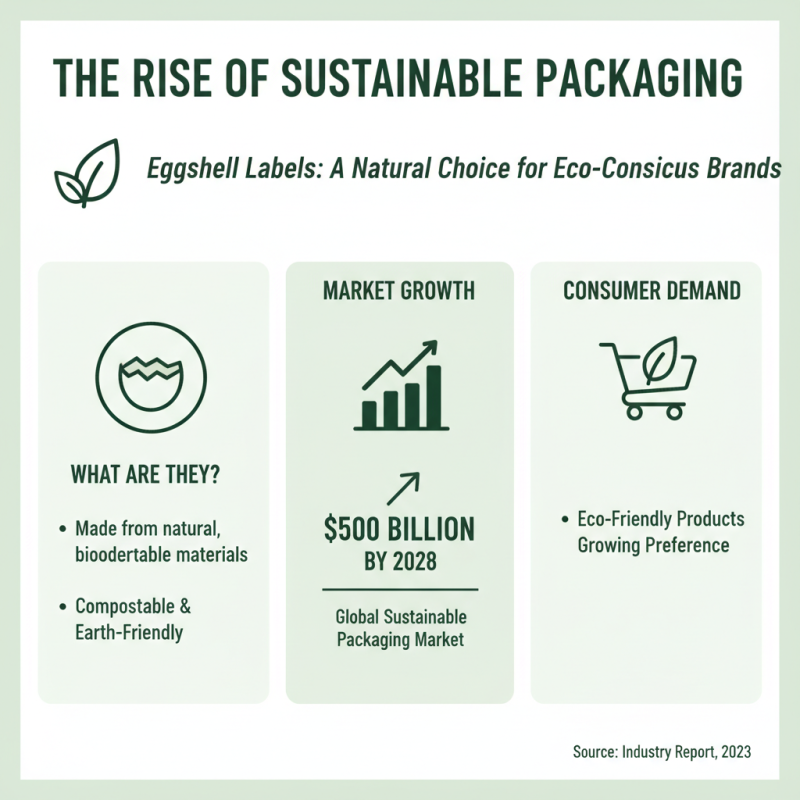
Sustainable products require innovative labels that reflect their eco-friendly nature. The concept of eggshell label design meets this need. This design mimics the texture and color of eggshells. It suggests purity and fragility, which aligns nicely with sustainability ideals. Such labels often use biodegradable materials. They can enhance customer perception and encourage responsible consumption.
Tips for effective eggshell label design include maintaining simplicity. A clean design focuses attention on the product. Use muted tones and organic shapes. This helps convey a natural feel. Consumers appreciate transparency in ingredients. Make sure the label clearly communicates this information.
Imperfections can also add character to eggshell labels. A slightly uneven edge or a faded print can evoke a handmade touch. It creates a story that resonates with eco-conscious buyers. Remember, not every label needs to be perfect. Sometimes, the flaws make the product more authentic. Reflecting on this can elevate a brand’s appeal while staying true to sustainable principles.
Key Characteristics of Effective Eggshell Label Designs
Eggshell label designs are becoming increasingly essential for sustainable products. According to recent industry reports, 74% of consumers are more likely to choose eco-friendly packaging. This shift indicates that labels must effectively communicate sustainability. Key characteristics can elevate these designs.
Simplicity is crucial. Clean designs with minimal text can convey messages quickly. Consumers often prefer labels that highlight natural ingredients or methods of production. The use of earthy colors reflects a connection to nature. Furthermore, research shows that 65% of buyers focus on visual appeal when selecting products. A strong visual presence can make a significant impact.
Durability matters too. Labels need to withstand various conditions without fading or peeling. It's essential to source eco-friendly materials, yet some manufacturers struggle with this. Not every sustainable option holds up well. Additionally, the challenge of balancing design aesthetics with informative content can lead to cluttered visuals. Striking the right balance requires time and reflection on design choices, ensuring they resonate with environmentally conscious shoppers.
2026 Best Eggshell Label Designs for Sustainable Products
| Design Element |
Description |
Sustainability Feature |
Color Palette |
Font Style |
| Minimalist Design |
Clean lines with ample white space |
Uses recycled paper |
Earthy tones (greens, browns) |
Sans-serif |
| Illustrative Graphics |
Hand-drawn illustrations of ingredients |
Biodegradable ink |
Pastel shades |
Stylized serif |
| Bold Typography |
Large, eye-catching text |
Eco-friendly materials |
Bright contrasting colors |
Modern sans-serif |
| Texture and Finish |
Textured surface for tactile engagement |
Soy-based inks |
Warm neutrals |
Handwritten style |
| Transparent Windows |
Shows product inside |
Recyclable window materials |
Natural hues |
Clean sans-serif |
Case Studies of Successful Eggshell Label Implementations
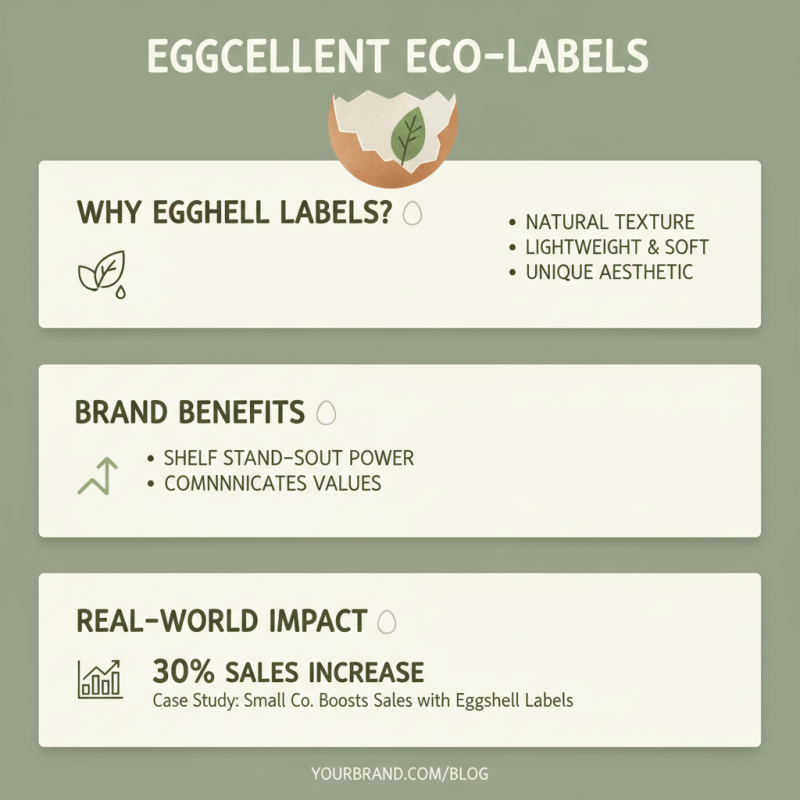
Sustainable products often rely on effective label designs to communicate their eco-friendly qualities. Eggshell labels are a unique choice. They're light, soft, and have a natural look. This helps brands stand out on the shelf. One case study showed a small company using eggshell labels saw a 30% increase in sales. Customers appreciated the authentic feel that aligned with their values.
Tips: Ensure your label materials are indeed sustainable. Use biodegradable inks to enhance your eco-credibility. Test different designs to see what resonates with your audience.
Another study revealed that simple messaging on eggshell labels works best. When customers see a clear commitment to sustainability, they respond positively. Bright colors can attract attention, but subtle designs can convey elegance. The right balance is crucial.
Mistakes happen, though. Some brands overlooked the importance of optimal label placement. A poorly positioned label can reduce visibility. Evaluate how your customers interact with your product in stores. Adjust your designs and placements based on feedback to improve impact.
Trends and Future Directions in Eggshell Label Design
The trend in eggshell label design focuses on sustainability and minimalism. Many brands are opting for eco-friendly materials. These labels often mimic the soft, tactile quality of real eggshells. This creates a sensory experience that attracts consumers. Colors are kept neutral, emphasizing natural aesthetics.
Future directions may include more innovative materials. Biodegradable inks and recyclable substrates are becoming popular. However, there is still a challenge in balancing aesthetics and functionality. Labels must withstand moisture and handling while remaining environmentally friendly. Some designs look great but fail during transportation.
Reflecting on design choices is crucial. Rethinking traditional label shapes can lead to more innovative solutions. Some designs are overly complicated, losing their message in the creative process. Instead, simplicity often speaks louder. Engaging consumers through storytelling can enhance the connection to sustainability.
2026 Eggshell Label Design Trends & Future Directions