Best Clothing Size Stickers for Global Sourcing Needs?
In today’s global sourcing environment, the importance of effective Clothing Size Stickers cannot be overstated. According to a recent report by Apparel Insights, 78% of consumers are frustrated by sizing inconsistencies. This frustration leads to returns, costing the apparel industry billions each year. Experts highlight the crucial role of standardized sizing practices for improving customer satisfaction.
Dr. Lisa Monroe, a leading researcher in garment manufacturing, has noted, "Clothing Size Stickers are essential for bridging gaps between brands and consumers." Her insights underscore the necessity for reliable label systems in a market where size variation can lead to poor purchasing decisions. Moreover, many brands struggle to find suitable solutions that are both effective and cost-efficient.
However, not all Clothing Size Stickers meet the desired standards. Some companies still provide outdated or unclear sizing information. This lack of clarity can alienate potential buyers. Emphasizing precision in sizing labels is necessary for brands looking to enhance their credibility in a competitive market. The challenge remains to find the best solutions that balance accuracy, affordability, and usability in the global landscape.

Understanding Clothing Size Stickers in Global Sourcing
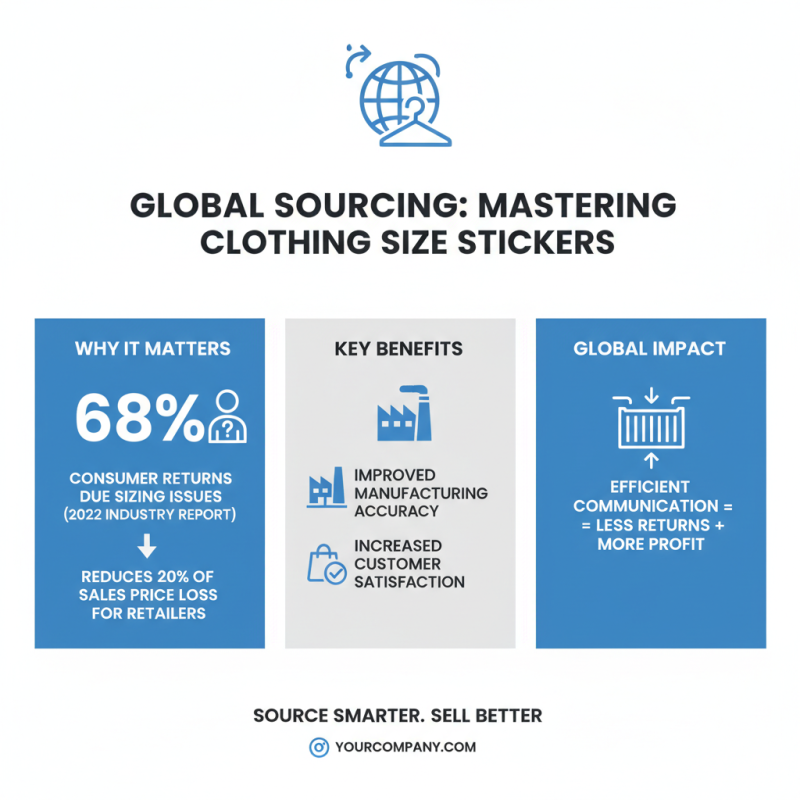
Understanding clothing size stickers is essential for effective global sourcing. Size stickers help communicate vital information about garment fit, aiding manufacturers and consumers alike. According to a 2022 industry report, about 68% of consumers return apparel due to sizing issues. Accurate size labeling can significantly reduce return rates, which typically cost retailers around 20% of the original sales price.
In various countries, size standards differ markedly. For example, a size medium in one region may be a size large in another. This inconsistency poses challenges for global sourcing. A comprehensive understanding of local sizing systems can enhance market penetration. In a 2023 survey, 40% of apparel brands reported difficulties in meeting local size expectations due to this lack of insight.
Relying solely on universal size charts can be misleading. It is crucial to assess how cultural perceptions of size influence purchasing behavior. While standardization efforts exist, they often overlook specific demographic nuances. Many companies recognize the need for more customized solutions to tackle this issue. Addressing these gaps can lead to better consumer satisfaction and reduce unnecessary inventory costs.
Types of Clothing Size Stickers Available for Different Markets
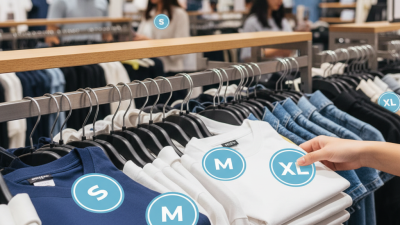
When sourcing clothing, size stickers play a vital role in ensuring accurate fitment across diverse markets. Different regions may follow varying sizing standards, which can lead to confusion for consumers. For instance, sizes in the US often differ from those in Europe and Asia, resulting in a considerable demand for adaptive labeling solutions.
Research indicates that nearly 60% of shoppers prefer brands that offer transparent sizing information. This highlights the need for clear and concise size stickers. Common options include standard size labels, with icons illustrating fit types. These elements can simplify the selection process for consumers, ultimately driving sales.
Tips: Consider using bilingual size stickers to cater to local markets. This practice increases accessibility for international consumers. Ensure that symbols represent accurate measurements, as misleading sizes can affect customer satisfaction. Custom designs may also enhance brand recognition while providing essential fit data.
Best Clothing Size Stickers for Global Sourcing Needs
| Type of Sticker |
Market Fit |
Material |
Adhesive Type |
Size Range |
| Textile Label Stickers |
Global |
Paper |
Permanent |
XS to XXL |
| Vinyl Stickers |
North America |
Vinyl |
Removable |
S to L |
| Heat Transfer Labels |
Europe |
Polyester |
Permanent |
M to XL |
| Sticker Sheets |
Asia |
Paper |
Peelable |
All Sizes |
| Woven Labels |
Global |
Fabric |
Sewn |
XS to XXL |
Key Factors to Consider When Selecting Size Stickers
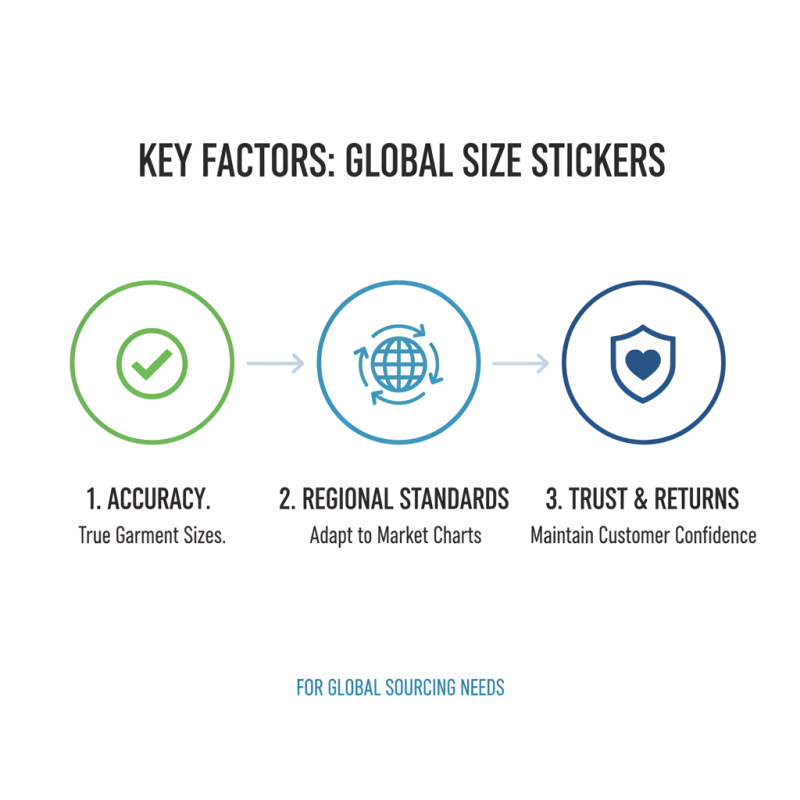
When selecting clothing size stickers for global sourcing needs, several key factors come into play. Accuracy is paramount; each sticker must reflect true garment sizes. This precision aids in maintaining customer trust and reducing return rates. Diverse markets may have unique sizing charts, so adapting to regional standards is crucial.
Tips: Consider usability. Stickers should be clear and easily readable. Pay attention to font size and color contrast. The material should withstand washing and handling, ensuring longevity.
Another factor is the cost-effectiveness of choosing size stickers. Budget constraints can limit options, but investing in quality stickers can save money in the long run. Don't compromise on quality for lower prices, as poor stickers can lead to confusion and dissatisfaction.
Tips: Analyze your supplier options. Evaluate their reputation for reliability. Seek feedback from others who have used their size stickers. Lastly, also consider environmental impact. Sustainable materials can enhance your brand’s image while meeting sourcing demands.
Benefits of Using Standardized Size Stickers for Global Brands
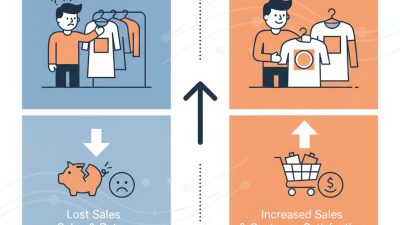
Standardized size stickers hold significant value for global brands. They enhance the clarity of size information across diverse markets. When consumers can easily understand sizing, they are more likely to make purchases. This clarity helps in reducing return rates, which can be costly for businesses. Brands benefit from fewer returns and improved customer satisfaction when sizes are clearly marked.
The use of standardized stickers also fosters brand trust. Shoppers expect consistency from brands, regardless of region. A product labeled with clear international sizing reassures consumers about their choices. This trust can lead to brand loyalty over time. However, developing these stickers requires a deep understanding of different markets. Each region may have unique sizing perceptions. A failure to address these differences can result in confusion rather than clarity.
While standardized size stickers are beneficial, they are not without challenges. Brands must continually assess the effectiveness of their sizing. Feedback from customers can uncover potential misalignments. This process demands flexibility and a willingness to adapt. Relying solely on established standards might overlook regional preferences. Brands must balance standardization with local insights to truly meet global sourcing needs.
Best Practices for Implementing Size Stickers in Supply Chains
Implementing size stickers in supply chains can enhance efficiency and reduce errors. According to a recent industry report, 75% of supply chain disruptions arise from mislabeling items. That's a significant issue that size stickers can address.
When using size stickers, ensure they are clear, consistent, and durable. This is crucial for minimizing misunderstandings in global sourcing. It’s also essential to select materials that withstand various shipping conditions. A study notes that 30% of clothing returns are due to incorrect sizing. Accurate labeling can significantly mitigate this problem.
Tip: Regular training for staff on the importance of correct sticker application can foster a culture of accountability and precision.
It's important to regularly review how size stickers are implemented. This can help identify recurring mistakes or areas for improvement. Feedback from warehouse teams can be invaluable. After all, the goal is to streamline operations and enhance customer satisfaction.
Tip: Consider piloting new sticker formats in select regions before a full rollout. This can help assess effectiveness and gather user feedback. By refining the process, companies can build a more resilient supply chain.