The Best Clothing Size Labels You Need for Perfect Fit
In the quest for a perfect fit, "Clothing Size Labels" play a pivotal role. Leading industry expert Dr. Jane Taylor once stated, "Correct size labels can transform how customers experience clothing." It’s a simple truth, yet often overlooked. Mislabeling can lead to frustration and disappointment for shoppers.
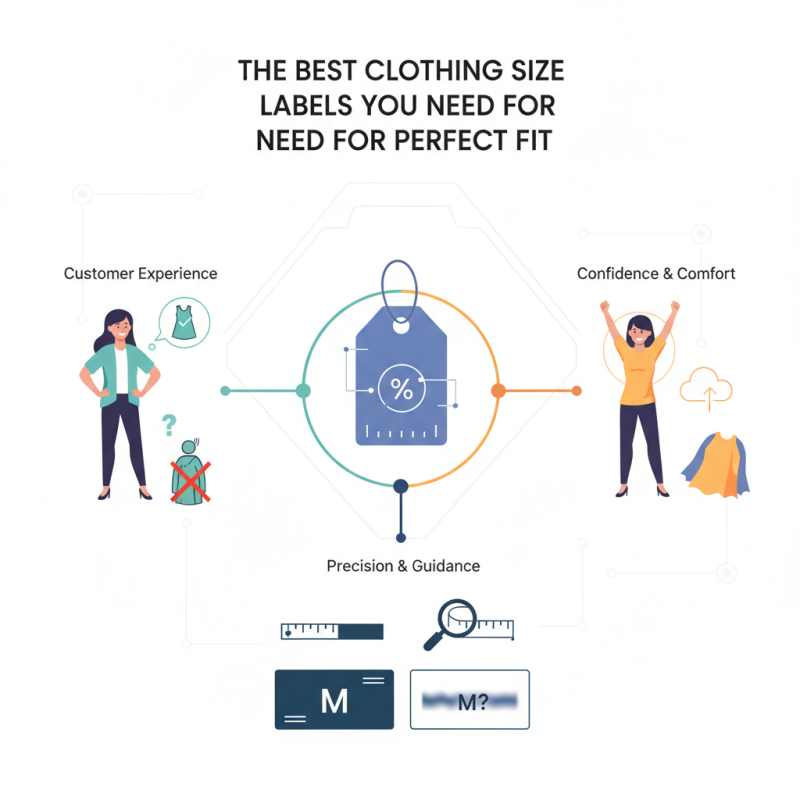
Many consumers struggle with sizing inconsistencies across brands. For instance, a size medium in one store may feel like a tight small in another. This issue highlights the importance of precise "Clothing Size Labels." They guide shoppers, ensuring garments achieve their intended fit. It’s about more than comfort; it’s about confidence.
While efforts are made to standardize sizes, the reality is far from perfect. Labels might still be vague or misleading. Shoppers often find themselves questioning their choices. Finding the right fit is a journey, but with better "Clothing Size Labels," that journey can become less daunting. Everyone deserves clothes that fit well and make them feel great.
Understanding Clothing Size Labels: A Comprehensive Guide
Clothing size labels can be confusing. They differ greatly across brands and countries. A size
8 in one country may be a size
10 in another. Understanding these differences is
essential for a perfect fit. Many people don’t realize that sizes often vary not just
numerically, but also in measurement standards.
For instance, the label might say "medium", but the actual measurements can differ
significantly. Knowing your own measurements can aid in choosing the right size.
Take time to measure your chest, waist, and hips. Create a size chart for yourself.
This can serve as a handy reference when shopping.
It’s also important to reflect on how sizing affects confidence. Ill-fitting clothes can
impact your self-esteem. Sometimes, people buy a size larger to feel comfortable, but that
can lead to discomfort in different ways. Strive for a fit that feels right, regardless of
the label. This journey to finding the perfect fit is personal and can often require
trial and error.
The Importance of Accurate Sizing in Clothing Choices
Accurate sizing is crucial in clothing choices. An ill-fitting garment can lead to an uncomfortable day. When clothes are too tight or too loose, they don't flatter the body. This can diminish confidence. It's not just about style; the right fit affects how we feel in our clothes.
Many of us often overlook size labels in our quest for the perfect outfit. It's easy to focus solely on the look, but the right size enhances comfort. For instance, a top that gapes at the neckline disrupts the intended silhouette. Small adjustments can make a significant difference, but they are often ignored. Even minor discomforts can accumulate, leading to frustration.
Finding reliable sizing labels can help mitigate these issues. But even with careful measurement, variations exist. Different cuts and fabrics can change how a garment fits. Some clothes may look great on the rack but feel entirely different when worn. It's important to remember that sizing is not universal. Embracing imperfections in fit allows us to appreciate clothing diversity. This realization can transform how we shop and wear our clothes.
The Best Clothing Size Labels You Need for Perfect Fit
This chart illustrates the distribution of clothing sizes preferred by consumers, emphasizing the importance of accurate sizing in clothing choices. Proper sizing helps in ensuring a perfect fit, enhancing customer satisfaction and reducing return rates.
Types of Clothing Size Labels: An Overview
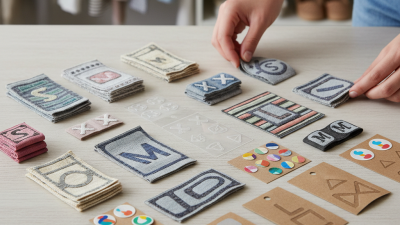
Choosing the right clothing size label is essential for achieving a perfect fit. Several types of clothing size labels exist, each serving a different purpose. There are hang tags, care labels, and printed labels. Each type carries specific information for the consumer. An overview reveals that hang tags often list size alongside style and brand info. Care labels provide washing instructions and material content.
According to industry reports, over 70% of consumers struggle with size inconsistencies. This can lead to returns and dissatisfaction. A clear, accurate size label helps ease these issues. It can impact purchasing decisions significantly. Customers are more likely to buy if they trust size accuracy.
Tips: Always choose durable materials for your labels. Consider the environment and consumers' convenience as well. Inconsistent sizing can frustrate shoppers. Reflecting on this, it's vital to prioritize clear communication on your labels. Think about how your label design affects customer perception. Labels may seem small, but they carry enormous weight.
How to Choose the Right Size Label for Your Garments
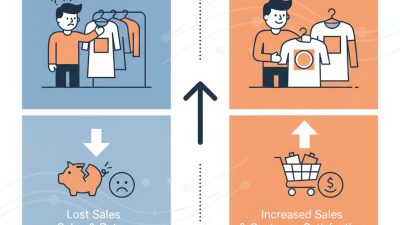
Choosing the right size label for your garments is crucial for customer satisfaction. A recent survey revealed that 67% of consumers have faced size-related issues when shopping online. This dissatisfaction often leads to returns and lost sales. Therefore, accurate size labels can significantly enhance the shopping experience.
Consider the different sizing standards. In the U.S., sizes often range from XS to XXL, while European labels use numbers. A gap exists between these systems. Misunderstandings can frustrate consumers. According to industry reports, 30% of returns stem from size discrepancies. Therefore, brands should think about how to communicate sizes clearly.
It's essential to test size labels regularly. Regular feedback from customers can highlight areas for improvement. Brands could conduct workshops or focus groups. These insights can help refine size standards. A simple change like including a fit guide can make a difference. Yet many brands overlook this step. This gap can lead to customer frustration. Eventually, it impacts loyalty and reputation.
Tips for Reading and Interpreting Clothing Size Labels
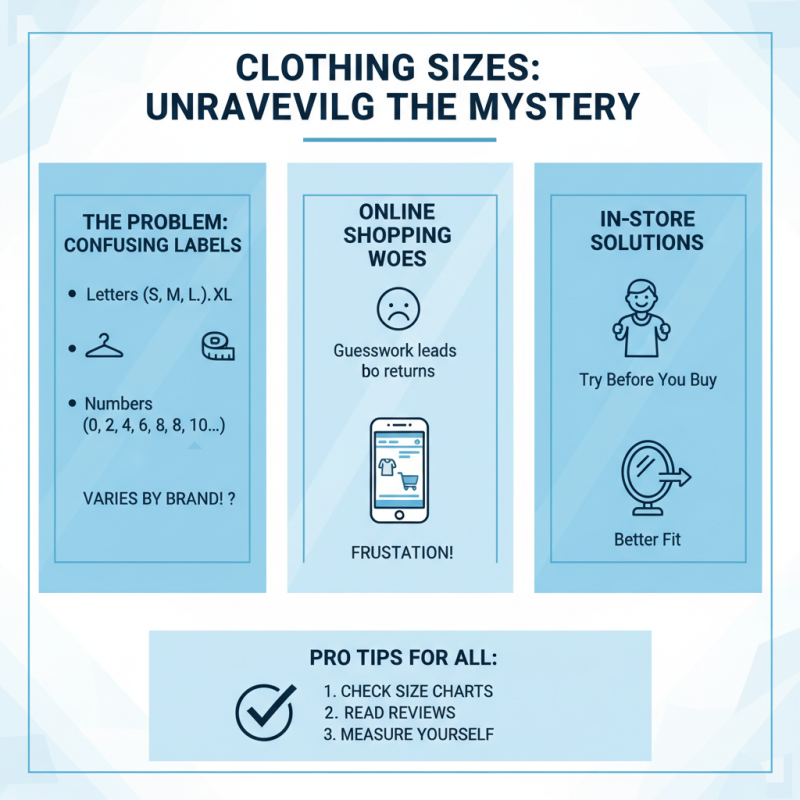
When choosing clothing, size labels can be confusing. They often use a mix of letters and numbers. For example, sizes like S, M, L, or numbers like 6, 8, 10 make it hard to determine the right fit. This can lead to frustrations when shopping online. In-store, trying on items gives a better idea, but size varies by brand.
Understanding how to read these labels is essential. Always check the size chart when shopping. Each brand may have its own sizing. Look out for variations between different styles as well. Sizes can differ based on cut and fabric. Sometimes, sizing may not make sense. You might be a medium in one store and a large in another. It’s a puzzle that could require patience.
Pay attention to the fabric too. Stretchy materials may fit differently than rigid ones. Also, don't forget about the fit styles: bodycon, relaxed, or oversized. Each offers a unique silhouette. While you can rely on size labels, it’s wise to consider personal comfort. Ultimately, the most significant aspect is how the clothing feels on you. Hence, trust your instincts while navigating those cryptic labels.