2026 Best Clothing Size Labels for Global Buyers?
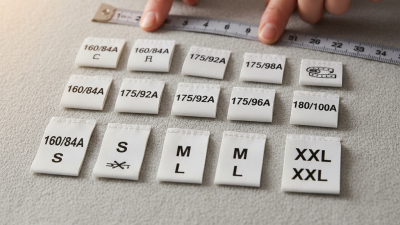
In the global market, Clothing Size Labels play a crucial role in guiding buyers. Accurate sizing is vital for customer satisfaction and returns. Yet, many consumers face confusion regarding different sizing standards. This can lead to frustrations when items don't fit as expected.
Different regions have various sizing systems. Understanding these differences is essential for international buyers. Many labels are inconsistent, creating further complications. Shoppers may find themselves unsure about what size to choose. Therefore, finding the right Clothing Size Labels is integral to a seamless shopping experience.
Brands must prioritize clarity in their labels. A well-designed Clothing Size Label can boost sales and build trust. However, many businesses overlook this vital component. They need to reflect on how their labels impact customer decisions. Striving for improvement in this area can lead to greater consumer loyalty.
Understanding Clothing Size Labels: A Global Perspective
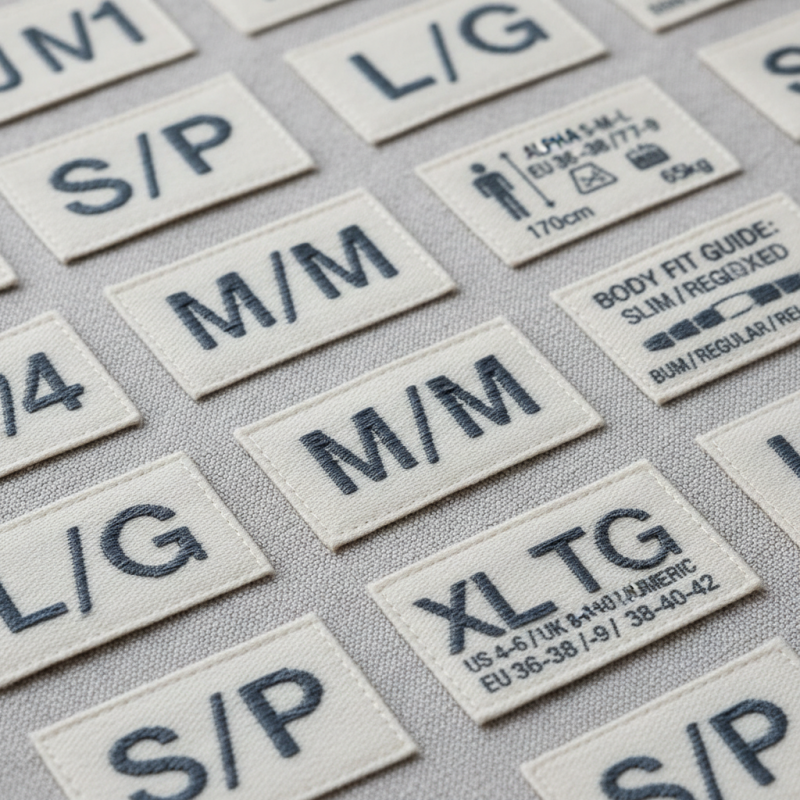
Clothing size labels vary greatly across the globe. Understanding these differences is crucial for buyers. Each region has its own sizing system that may not correlate to others. For instance, a size medium in one country may translate to a large in another. This can lead to significant fit issues when shopping internationally.
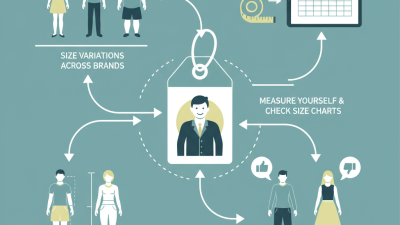
Tips for global buyers: Always check measurement charts. These charts often provide the best guidance. Sizes can also shift based on brands or styles. Don't hesitate to read customer reviews. Many shoppers share fit experiences that can inform your choice.
Enjoy exploring diverse styles, but be mindful of size discrepancies. Some labels may appear to offer the same size numerically but could fit quite differently. Divergences can stem from cultural standards and even manufacturing practices. Embrace the learning process. It may feel overwhelming initially, but recognizing these nuances will inform better buying decisions.
Key Differences in Clothing Size Systems Worldwide
When exploring clothing sizes globally, significant variations emerge. Each country has its own system, leading to confusion for international buyers. For instance, a size 8 in the UK does not equate to the same size in the US. While the UK and US systems are based on measurements, some countries like Japan use a numerical system that reflects body proportions instead.
Understanding these differences is critical. European sizes typically use a number system that can be confusing for those accustomed to letters. A size medium in the US may be a large in some European countries. This complexity requires consumers to pay close attention to conversion charts. The inconsistency can lead to frustration and returns, costing both buyers and sellers.
Navigating clothing sizes is an ongoing challenge. Standardization may seem ideal, but it may not reflect diverse body types. There is no universal solution that covers all markets. Embracing these differences can foster better communication between brands and consumers. Buyers should consider measuring themselves before making purchases. Taking charge of your sizing journey can ultimately lead to more satisfying clothing experiences.
Factors to Consider When Choosing Clothing Size Labels
When choosing clothing size labels, several factors come into play. The size labeling system varies across regions. For instance, sizes in Europe don’t match those in the United States. Understanding these differences is crucial for global buyers. Accurate sizing helps reduce return rates. Customers often prefer labels that align with their regional standards.
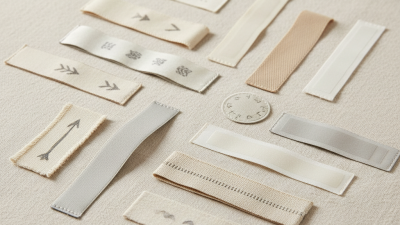
Another vital aspect is the materials used for labels. Different fabrics can affect comfort and durability. Clothing labels should be soft to prevent irritation while remaining resilient. The label's placement also matters. A well-placed label enhances the garment’s overall look. It should not distract from the design or cause discomfort.
Lastly, think about inclusivity. Size labels that address a range of body types resonate better with consumers. Measurement standards are evolving, yet many brands still lag behind. It's essential to reflect on how size labels can facilitate a more inclusive shopping experience. Labels should convey a message of acceptance. A thoughtful approach to size labeling shows a commitment to customer satisfaction.
2026 Best Clothing Size Labels for Global Buyers
| Label Type |
Material |
Size Range |
Customizable |
Geographic Compatibility |
| Woven Labels |
Polyester |
XS to XXL |
Yes |
Global |
| Printed Labels |
Cotton |
S to XXXL |
No |
North America, Europe |
| Heat Transfer Labels |
Silicone |
All Sizes |
Yes |
Asia, Europe |
| Care Labels |
Polyester |
All Sizes |
No |
Global |
| Size Tags |
Cardboard |
0 to 14 |
Yes |
Global |
Top 2026 Clothing Size Label Brands for International Markets
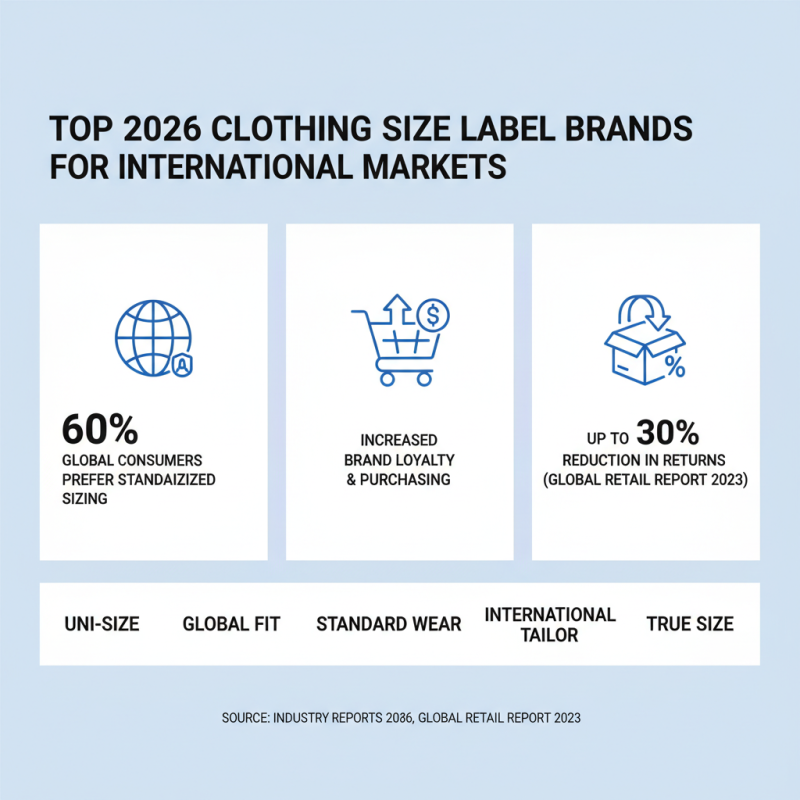
When considering clothing size labels for international markets in 2026, several key brands lead the way. Industry reports indicate that approximately 60% of global consumers prefer brands that use standardized sizing systems. This preference can impact brand loyalty and purchasing decisions. Proper sizing can help reduce return rates, which, according to the Global Retail Report 2023, can reach up to 30% for incorrectly sized garments.
One essential tip for brands is to invest in clear, multilingual labels. A survey found that 70% of buyers feel more confident purchasing from labels that include their language. This small change can enhance customer experience and satisfaction significantly.
Additionally, it's crucial to remain aware of cultural differences in sizing. For example, a medium in one country may not correlate with a medium in another. Keeping this in mind can help brands align their products with expectations. In some regions, size ranges can vary dramatically, leading to confusion. Continuous research and feedback from target markets can guide adjustments in labeling practices, creating a more user-focused approach.
Trends and Innovations in Clothing Size Labeling for Buyers
The clothing industry is evolving rapidly. Size labeling is a crucial aspect that affects global buyers. Innovations in this field are emerging, focusing on accuracy and clarity. Many brands are now adopting diverse sizing systems. This shift acknowledges the global audience's varied body types and shapes. Implementing consistent sizing can be challenging. Misunderstandings still arise, leading to frustration.
There’s also a movement towards sustainable labeling. Eco-friendly materials are being used for size tags. This shift not only reduces waste but also appeals to environmentally conscious consumers. Digital solutions are on the rise too. QR codes on labels can guide buyers to detailed sizing charts. However, not everyone is tech-savvy. Some shoppers still prefer traditional methods.
The reliance on standard size categories continues to be questioned. What works for one demographic may not suit another. Inclusivity is vital, yet difficult to achieve. Brands must navigate a delicate balance between tradition and innovation. The conversation around sizing is ongoing, revealing both opportunities and challenges. Engaging directly with consumers can provide valuable insights.