Best Apparel Size Labels for Perfect Fit in Fashion Industry Guidelines?
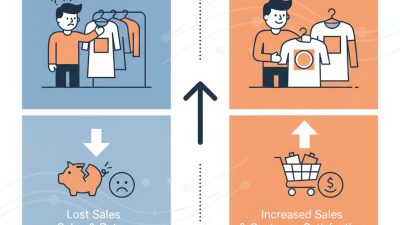
In the fashion industry, accuracy in sizing is crucial. Apparel Size Labels play a vital role in achieving this goal. The right labels help customers find their perfect fit quickly and easily. Mislabeling can lead to frustration and returns. Each garment must have clear and precise labeling to avoid confusion.
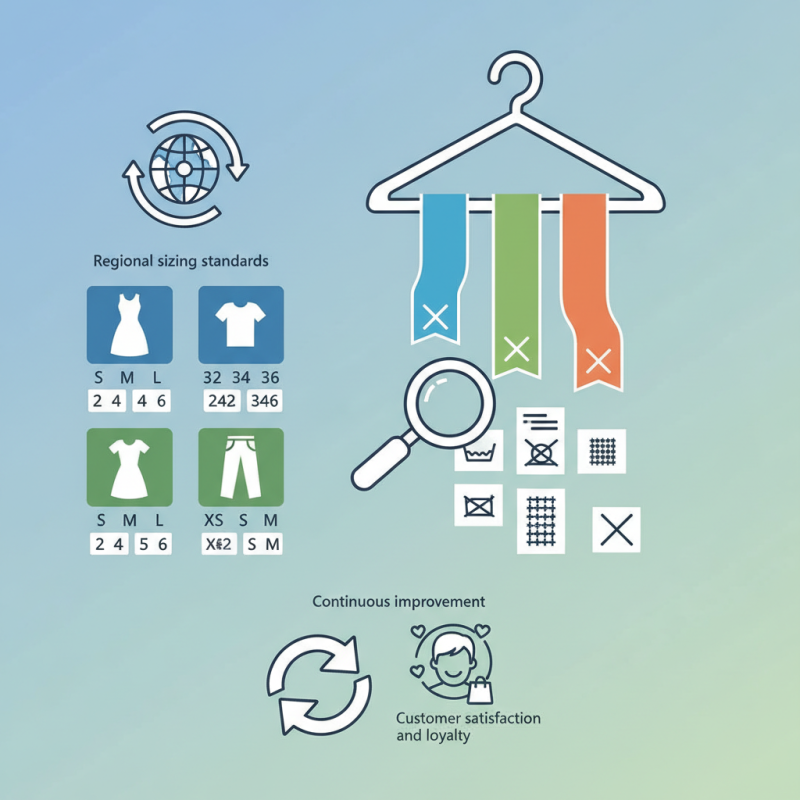
Different regions have varying sizing standards. This creates a challenge for brands. Apparel Size Labels must reflect these differences to meet customer expectations. A universal labeling system could simplify this, but it may not be practical. Fashion brands face a dilemma: how to balance global demands with local preferences.
The design of Apparel Size Labels should also include care instructions and fabric details. This information contributes to a positive shopping experience. However, not all brands prioritize this. Some labels are too small or hard to read. It's essential to reflect on how to improve size labeling continuously. A thoughtful approach leads to better customer satisfaction and loyalty.
Best Practices for Apparel Size Labeling in the Fashion Industry
In the fashion industry, accurate size labeling can significantly influence customer satisfaction and brand loyalty. A recent study showed that up to 60% of consumers reported dissatisfaction due to inconsistent sizing. This gap highlights a pressing need for adherence to standard sizing guidelines. The absence of a universally accepted size framework often leads to confusion. Many shoppers risk purchasing items that do not fit comfortably.
Implementing best practices in apparel size labeling is essential. Brands must invest in thorough research to determine sizing metrics that reflect real-world measurements. A report from the Apparel Size Institute indicates that only 30% of brands currently utilize updated fitting technologies. This shortfall leads to a disconnect between actual garment sizes and consumer expectations. By leveraging technology, brands can improve accuracy and reduce returns, which are estimated to cost the industry over $260 billion annually.
It is also crucial for companies to engage in transparent communication. Labels should provide detailed measurements alongside size designations. However, many labels still remain vague, merely stating sizes like small, medium, or large. Such simplistic labeling fails to address the diversity in body shapes. Reflecting on this practice can lead to better outcomes and potentially minimize the frustration that many shoppers face when trying on clothes.
Understanding the Impact of Size Label Accuracy on Consumer Satisfaction
Accurate size labels play a crucial role in consumer satisfaction within the fashion industry. When customers order clothing, they expect a fit that matches the size indicated on the label. However, inconsistent sizing practices can lead to disappointment. Many customers often find that sizes vary greatly between different brands. This inconsistency can cause frustration and returns.
A study revealed that inaccurate size labels may deter repeat purchases. Customers are less likely to return to a brand that has let them down in terms of fit. For instance, one customer may wear a medium in one store but require a large from another. This creates confusion and limits brand loyalty. Designers and manufacturers need to reflect on their sizing charts carefully.
Furthermore, the impact of accurate sizing goes beyond mere fit. It affects confidence and body image. A well-fitting garment enhances how a person feels. It can boost self-esteem significantly. Yet, when size labels fail to reflect true measurements, the opposite can happen. This presents a challenge for brands. They must strive to establish a more standardized sizing system that can bridge these gaps, ensuring a better experience for consumers.
Industry Standards for Apparel Size Labels: A Global Perspective
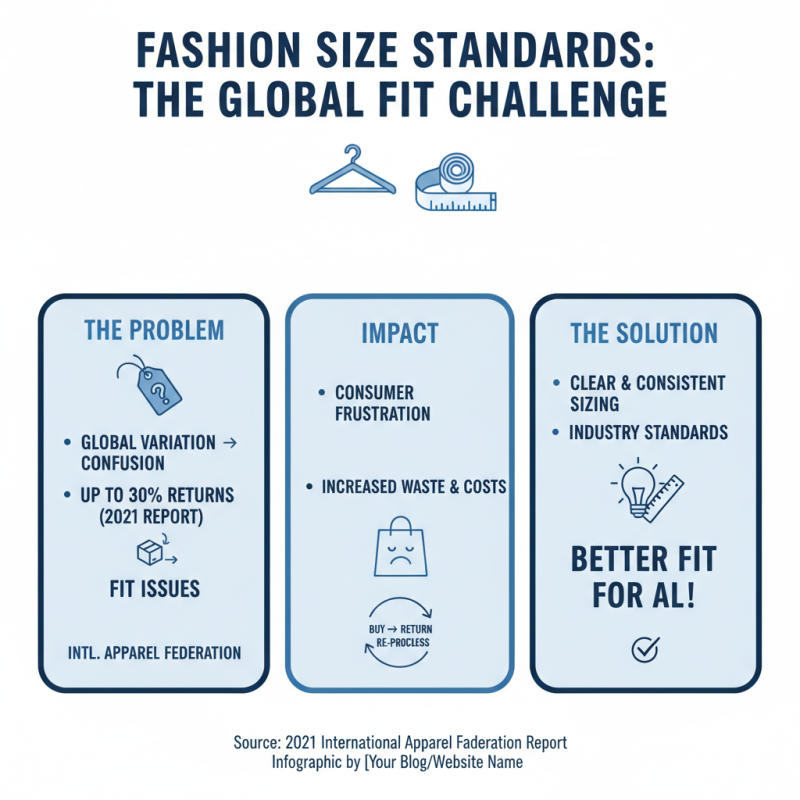
In the fashion industry, size labels are crucial for ensuring a perfect fit. Industry standards vary globally, leading to confusion among consumers. A 2021 report by the International Apparel Federation highlighted that up to 30% of consumers return items due to fit issues. This reflects the urgent need for clear and consistent sizing.
For instance, while some regions adhere to numerical sizing, others use small, medium, or large descriptors. In Europe, a size 42 may translate to a size 8 in the UK and a size 10 in the US. Such discrepancies can frustrate customers and affect online sales. A study revealed that 60% of shoppers prioritize fit over price when considering apparel purchases.
Moreover, manufacturers often face challenges in adhering to these varying standards. Size variability can lead to inconsistent inventory and production issues. With 52% of industry professionals admitting to frequent size discrepancies, it's clear that improvements in labeling practices are necessary. To thrive, brands must embrace transparency in their sizing methods. This may involve investing in better technologies and aligning with global standards while still recognizing regional preferences.
Analyzing Consumer Preferences: How Size Labels Influence Purchase Decisions
In the fashion industry, size labels hold significant sway over consumer purchasing choices. Shoppers often rely on these labels to make informed decisions. A misleading size label can create frustration and returns. Many consumers have experienced the disappointment of receiving an item that doesn’t match the expected fit.
Research shows that clear and accurate sizing information boosts consumer confidence. Labels should provide details about measurements and fit type. However, some brands still use vague terms like "slim fit" or "regular cut," which can lead to confusion. A lack of standardization in sizing can alienate customers, making them less likely to purchase.
Moreover, the online shopping experience complicates matters further. Without the ability to try on clothing, shoppers depend heavily on size labels. This reliance increases the emotional weight of a purchase. Brands must acknowledge that inaccurate labels can harm their reputation and lead to unhappy customers. A focus on improving size label clarity can drive better shopping experiences in a competitive market.
The Role of Technology in Enhancing Apparel Size Labeling Accuracy
Technology has revolutionized the way size labels are created and used in the fashion industry. New tools allow designers to gather precise measurements and translate them into accurate size labels. Apps that utilize AI can analyze body shapes and suggest the best fit. This makes the shopping experience more personal and tailored. However, these technologies are not flawless. They may rely on limited datasets, which can lead to unrepresentative sizes for certain body types.
Moreover, the integration of virtual fitting rooms enhances size labeling. Customers can visualize how clothes will fit without trying them on. This reduces returns and disappointment. Yet, virtual technology has shortcomings. It may not account for fabric behavior or individual preferences. Real-life fitting still plays a crucial role in ensuring comfort and style.
Despite advancements, garment sizing remains a challenging area. Many brands continue to face criticism for inconsistent sizing. Accurate labeling requires continuous improvement. Retailers must remain vigilant about updating their technology and practices. Feedback from customers is essential for meaningful changes in size labeling strategies. It’s a journey that should combine innovation with a deep understanding of diverse body shapes and fashion needs.