Best 10 Apparel Size Labels for Accurate Fitting and Easy Shopping?
In today's fashion world, understanding apparel size labels is essential. Accurate fitting can make or break a shopping experience. With so many brands available, confusion often arises. These labels are not just numbers; they represent comfort and style.
Many consumers struggle with sizing. One person may wear a size medium in one brand but a large in another. This inconsistency can be frustrating. Apparel size labels are meant to guide shoppers, yet they can often mislead. They require attention to detail and clear communication from manufacturers.
Evaluating the ten best apparel size labels can shed light on the best choices available. An ideal label should enhance the shopping experience, making it easier for consumers to find the perfect fit. Some labels might not provide enough information, prompting reflection on their effectiveness. Understanding these labels is crucial for a successful fashion journey.
Best Apparel Size Labels: An Overview of Industry Standards
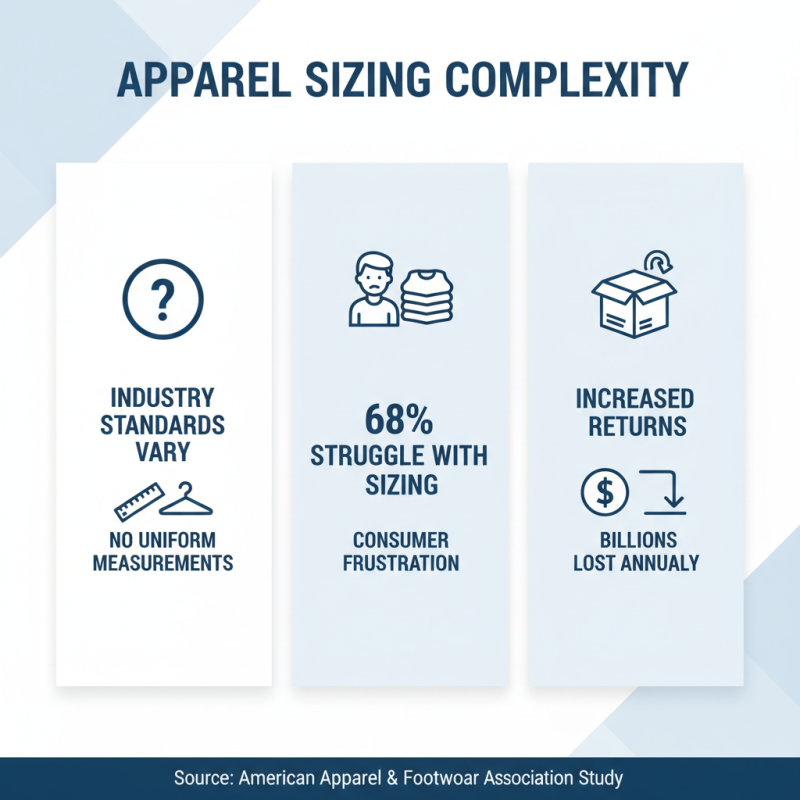
Apparel sizing can be complex. Industry standards often vary widely. According to a study by the American Apparel and Footwear Association, about 68% of consumers struggle with sizing discrepancies among brands. These inconsistencies lead to increased returns, costing the industry billions annually.
In recent years, there has been a push for more standardized sizing. The ISO 8559 standard aims to normalize size labels across retailers. This could help consumers find accurate fits more easily. However, progress is slow. Some brands still label items based on subjective measurements. This ambiguity may leave customers frustrated and confused.
The impact of sizing challenges is significant. Nearly 40% of shoppers abandon purchases due to sizing uncertainty, as reported by industry surveys. With the rise of online shopping, accurate size labels are more important than ever. Consumers need assurance in their choices, yet many continue to encounter irregularities. Improving this aspect can bolster customer loyalty and reduce waste.
Importance of Accurate Fitting in Apparel Shopping and Consumer Satisfaction
Accurate fitting is crucial for consumer satisfaction in apparel shopping. Studies show that 67% of online shoppers are likely to return items due to incorrect sizes. Additionally, poor fitting can lead to dissatisfaction and brand abandonment. When shoppers receive apparel that doesn’t fit, they often express frustration. This has a direct impact on their loyalty to brands.
The need for accurate size labels is more pressing than ever. According to recent industry reports, customers are willing to pay 20% more for well-fitting apparel. Labeling inconsistencies contribute to confusion and varying expectations. In a market saturated with options, no one wants to deal with the hassle of returning items. Poor experiences can detract from consumer trust.
Many retailers are now focusing on clearer size guidelines. However, this effort can fall short. Some labels may still not reflect true sizes. This discrepancy can unsettle shoppers who expect consistency across brands. Research indicates that 70% of consumers believe accurate sizing would enhance their shopping experience. Reflecting on these facts, it’s clear that a move towards industry-standard sizing practices is essential for retaining consumer interest and satisfaction.
Top 10 Apparel Size Labels: Features and Benefits for Retailers
Choosing the right apparel size labels can significantly improve the shopping experience. These labels are essential for retailers. They facilitate accurate fitting for customers. With proper sizing, shoppers are less likely to return items. This reduces overhead and increases customer satisfaction.
Quality size labels also enhance brand perception. Clear and precise labels reflect professionalism. They help customers make informed decisions while reducing confusion. Vibrant colors and clear fonts are key features. When shoppers understand their options, confidence grows. This can lead to increased sales.
However, retailers must choose wisely. Not all labels are created equal. Durability matters. A label that fades quickly or falls off is frustrating. Reflective qualities can also mislead customers about true sizes. It’s important to regularly reassess label effectiveness. Feedback from customers can guide necessary updates. Labels should evolve with changing trends and sizing standards. A retailer's commitment to improvement is vital.
Consumer Preferences: Analyzing Data on Size Label Effectiveness
Accurate apparel sizing is crucial for consumers. Many experience frustration when trying to find the right fit. Size labels often vary, leading to confusion. Analyzing data on size label effectiveness reveals interesting trends. Shoppers prefer clear, standardized sizes. This helps them make informed decisions without unnecessary returns.
When shopping, look for labels that provide detailed measurements. Generic sizes may mislead buyers. Clear dimensions can reduce fitting issues. A well-designed label should include bust, waist, and hip measurements. This additional information empowers consumers to choose wisely.
Tips: Always measure your body before shopping. Sizes change between brands. Familiarize yourself with each label’s specific sizing chart. Remember, it’s okay to ask store staff for help. Don’t hesitate to try multiple sizes until you find your perfect match. Keep in mind that fit preference can differ among individuals. Listen to your body’s feedback; it’s key to finding comfort in clothing.
Future Trends in Apparel Size Labeling: Innovations for Better Fit
In recent years, the world of apparel size labeling has seen significant innovations. Traditional sizing systems often lack precision. Many shoppers find themselves confused by the inconsistent sizes across different brands. This creates frustration during shopping. New technologies aim to address these issues. One such trend is the use of smart labels. These labels can dynamically adjust size information based on body measurements. They offer a more personalized fit.
3D body scanning is another emerging trend. This technology captures the exact dimensions of a customer's body. It allows brands to offer tailored clothing based on individual shapes. Virtual fitting rooms are slowly becoming a reality. Shoppers can now visualize how clothing will fit their bodies. This might reduce the number of returns due to size mismatches.
However, there are challenges that remain. Not all shoppers are comfortable with technology. Some may prefer traditional fitting methods. Concerns about privacy also linger when sharing body data. Brands must find a balance. Ensuring accurate fitting while respecting consumer preferences is crucial. The future of apparel size labeling holds promise. With ongoing innovations, shoppers may soon enjoy a more seamless and enjoyable shopping experience.
Best 10 Apparel Size Labels for Accurate Fitting and Easy Shopping
| Label Type |
Size Range |
Material |
Features |
Future Innovations |
| Woven Labels |
XS - XL |
Cotton Blend |
Durable, High-quality finish |
Smart indicators for easy size identification |
| Printed Labels |
S - XXL |
Polyester |
Lightweight, Cost-effective |
QR codes linking to size guides |
| Heat Transfer Labels |
All Sizes |
Polyester |
Soft, non-irritating |
Color-changing technology for fitting feedback |
| Tagless Labels |
XS - XXL |
Nylon |
Comfortable, no irritation |
Embedded NFC technology for instant size recommendations |
| Satin Labels |
M - XXXL |
Satin |
Glossy finish, high-end feel |
Integrated augmented reality fitting guides |
| Self-Adhesive Labels |
All Sizes |
Vinyl |
Flexible, easy to apply |
Digital size adjustments through apps |
| Embroidered Labels |
S - L |
Cotton |
Textured, upscale |
Personalized fitting experience via mobile integration |
| Biodegradable Labels |
S - XL |
Natural Fibers |
Eco-friendly, sustainable |
Smart eco-sizing solutions |
| Reflective Labels |
All Sizes |
Polyester |
Enhanced visibility |
Smart tracking features for outdoor activities |