Discover the Benefits of Using Eggshell Labels in Packaging?
In recent years, sustainable packaging has gained significant attention. The demand for eco-friendly solutions is rising. Eggshell labels are emerging as a popular choice in this arena. According to a recent report by Smithers Pira, the global sustainable packaging market is expected to reach $500 billion by 2028. Consumers are increasingly mindful of their environmental footprint.
Eggshell labels stand out due to their unique texture and aesthetic appeal. These labels often require fewer resources to produce compared to traditional options. Research shows that using eggshell labels can reduce waste by up to 30% compared to standard paper labels. This reduction not only benefits the environment but also enhances brand image.
However, companies must reflect on the challenges of integrating eggshell labels into their packaging strategies. Compatibility with existing machinery can be an issue. Additionally, some consumers are still unfamiliar with these sustainable options. Education and awareness are key. Overall, while eggshell labels offer great potential, brands need to navigate these hurdles to fully leverage their benefits.

Benefits of Eggshell Labels: A Sustainable Packaging Solution
Eggshell labels are gaining popularity in packaging for their sustainable attributes. A recent report by the Sustainable Packaging Coalition shows that eco-friendly packaging solutions can reduce the carbon footprint by up to 30%. This statistic highlights the need for businesses to adopt greener practices to meet consumer demand.
These labels are often made from recycled materials, which minimizes waste. Research indicates that nearly 70% of consumers prefer products with sustainable packaging. This preference pushes brands to rethink their packaging choices. Despite the advantages, the sourcing of raw materials can be challenging and may affect production timelines. Brands must navigate these complexities while striving to maintain their sustainability goals.
The durability of eggshell labels offers versatility across various products. They withstand changes in temperature and humidity, making them suitable for food and non-food items alike. However, some users face difficulties with adhesion. Feedback indicates that not all surfaces are compatible with these labels. Continuous improvement is essential to address such imperfections and enhance user experiences.
Cost-Effectiveness: How Eggshell Labels Reduce Overall Packaging Expenses
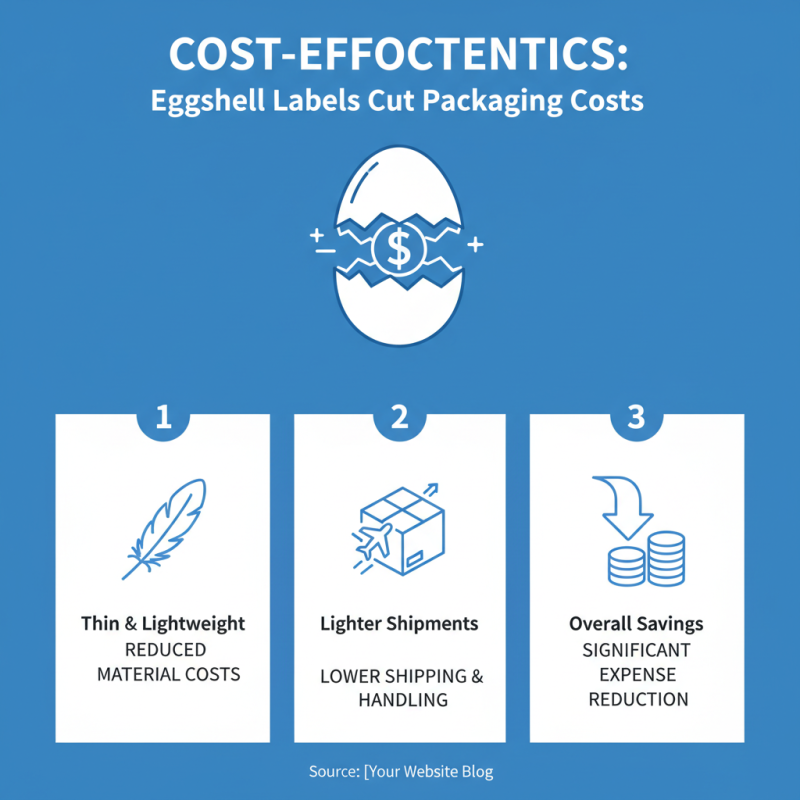
Eggshell labels are becoming a popular choice in packaging due to their cost-effectiveness. These labels provide a unique, lightweight alternative to traditional materials. Their thin profile reduces material costs, leading to savings in shipping and handling. Many businesses find that switching to eggshell labels can lower their overall packaging expenses significantly.
Additionally, eggshell labels are easy to print on and customize. This versatility allows businesses to create appealing designs without incurring hefty printing costs. They remain durable even in various conditions, ensuring that products stay protected. However, there might be challenges with adhesive quality and temperature sensitivity. Companies should test these labels under different conditions to ensure reliability.
Another important aspect is sustainability. Eggs are a byproduct of the food industry. Using them for labels promotes recycling and reduces waste. Yet, the long-term durability of biodegradable materials can raise questions. Brands may need to weigh the benefits of sustainability against potential performance issues. Exploring these factors is essential for making informed packaging decisions.
Enhancing Product Visibility with Eggshell Labels in Retail Environments
Eggshell labels are transforming the packaging landscape in retail environments. Their unique texture and appearance attract consumers' attention. These labels mimic the softness of real eggshells, offering a tactile experience that stands out on shelves. With vibrant colors and clear graphics, they enhance product visibility significantly. Retailers are noticing that products with eggshell labels often lead to increased engagement. Customers find them appealing and are more likely to pick them up.
Moreover, the versatility of eggshell labels allows for various applications. They can be used on different packaging types—bottles, boxes, or bags. This adaptability enables brands to maintain a consistent look across their product lines. However, not all eggshell labels perform equally. Some may fade in sunlight or become difficult to peel. Brands must test their options before committing. A thoughtful approach ensures that visibility remains high throughout the product's lifecycle.
In retail spaces, labeling is crucial for brand recognition. Eggshell labels can help create a memorable impression. Yet, companies should remain aware of production costs. Investing in high-quality materials is vital, but balancing budget constraints is equally important. This can sometimes lead to compromises on quality or design, prompting a need for reflection on what consumers truly value.
Discover the Benefits of Using Eggshell Labels in Packaging
| Feature |
Description |
Benefits |
| Enhanced Visibility |
Eggshell labels provide a matte finish that reduces glare, making text easier to read under retail lighting. |
Increases product recognition and boosts sales. |
| Eco-Friendly Materials |
Made from recycled paper, eggshell labels are biodegradable and contribute to sustainable packaging practices. |
Appeals to environmentally conscious consumers. |
| Customizable |
Eggshell labels can be tailored in size, color, and design to fit any product. |
Allows for branding consistency across various products. |
| Durability |
These labels are resistant to tearing and moisture, ensuring that they last throughout the product's life cycle. |
Reduces the need for frequent re-labeling, saving time and resources. |
| Cost-Effectiveness |
Affordable production costs make eggshell labels a budget-friendly option for businesses of all sizes. |
Maximizes marketing budgets while enhancing presentation. |
The Role of Eggshell Labels in Minimizing Environmental Impact
In recent years, the call for sustainable packaging has grown louder. Eggshell labels have emerged as a promising solution. They bring an eco-friendly twist to traditional packaging methods. Made from natural materials, these labels reduce plastic waste significantly. Their lightweight nature also minimizes transportation emissions. Each label contributes to a greener planet.
Using eggshell labels isn't without its challenges. While they are biodegradable, their production should still be monitored for resource use. Not all manufacturers prioritize sustainability in their processes. It's crucial to work with credible suppliers who value environmental stewardship. Additionally, the durability of eggshell labels can vary. In some cases, exposure to moisture may affect their performance. Therefore, careful consideration is needed when deciding their application.
Consumer awareness is vital for driving change. Educated choices can lead to a demand for better packaging alternatives. Eggshell labels can play a crucial role in this transformation. Their potential to replace plastic aligns with growing environmental concerns. However, ongoing evaluation of their effectiveness is necessary. Industries must continuously seek improvements and ensure that these labels fulfill their promise of sustainability.
Consumer Preferences: The Growing Demand for Eco-Friendly Packaging Solutions
As consumers become more environmentally conscious, the demand for
eco-friendly packaging solutions is on the rise.
Eggshell labels, derived from sustainable materials, are gaining attention.
These labels are lightweight yet durable, making them an ideal choice for various packaging types.
Their composition not only ensures product protection but also aligns with consumer values.
Eco-friendly packaging is more than a trend; it's a movement.
Research shows that many consumers prefer products with sustainable packaging.
They often associate these products with higher quality.
However, some may question the effectiveness of such labels in maintaining freshness.
This aspect requires further exploration.
Brands need to educate consumers on the benefits and effectiveness of eggshell labels.
Transitioning to eco-friendly options presents challenges.
Not all manufacturers have embraced this change.
There can be initial costs, and the supply chain may need adjustments.
Consumers appreciate transparency about these processes.
They want to know that their choices make a difference.
Open discussions about the limitations and benefits help build trust.
The desire for sustainable packaging solutions is clear, but the journey involves continuous learning and adaptation.